


Back to Intermediate (B1) stories

Unlock the Complete Learning Experience

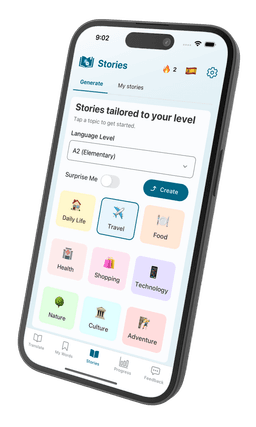
You're reading free stories on our website. Get the mobile app for audio narration, speaking practice, vocabulary saving, personalised stories, instant translations, and progress tracking.

Download on the App StoreGet it on Google Play
Audio
Translations
Progress

한국의 전통 음악과 나

Intermediate (B1)
5 min read

📖 You are reading the free text version. Get our mobile app for 🎧 audio narration, 💬 speaking practice, 🔄 instant translations, and 💾 vocabulary saving to enhance your learning experience.

나는 작은 시골 마을에서 자랐다. 그곳에는 아직도 한국의 전통 음악인 국악을 연주하는 사람들이 많았다.

어느 날, 나는 마을 축제에서 국악 공연을 보게 되었다. 처음 보는 악기들과 낯선 음악 소리가 나에게 신기하게 다가왔다. 음악은 아름다웠지만, 나는 그것이 왜 특별한지 잘 이해하지 못했다.

공연 후에 나는 나이 든 연주자에게 다가가 이야기를 나누었다. 그는 국악은 우리 문화의 깊은 이야기와 감정을 담고 있다고 설명했다. 그리고 나에게 직접 악기를 만져 보라고 권했다.

나는 꽹과리라는 작은 꽹과리를 쳐 보았는데, 소리가 강하고 경쾌했다. 연주자는 웃으면서 나는 점점 국악에 관심이 생기는 것 같다고 말했다.

며칠 후, 나는 마을 도서관에서 국악과 관련된 책과 영상을 찾아보았다. 그 속엔 전통 음악의 역사와 다양한 악기들이 소개되어 있었다. 나는 조금씩 더 많이 배우고 싶어졌다.

하지만 국악을 배우는 것은 쉽지 않았다. 악기의 모양도 생소하고, 연주 방법도 나에게 복잡했다. 때때로 나는 포기하고 싶었지만, 음악을 들을 때 느꼈던 감동이 나를 계속 이끌었다.

나는 지금도 그 음악을 듣고 연습한다. 내가 완벽하지 않아도 국악은 나에게 특별한 의미가 있다. 그것은 나와 우리 문화가 이어지는 다리 같은 존재다.

이야기는 여전히 진행 중이다. 나는 앞으로도 국악을 더 알아가면서 나만의 음악을 만들어 갈 것이다.

Practise this Korean story

Vocabulary in context

Important words and phrases

  • 국악

    noun

    Romanization: gugak

    Korean traditional music

    저는 국악을 들을수록 더 좋아져요.

    The more I listen to gugak, the more I like it.

  • 전통 음악

    noun phrase

    Romanization: jeontong eumak

    traditional music

    이 지역은 전통 음악으로 유명해요.

    This region is famous for its traditional music.

  • 공연

    noun

    Romanization: gongyeon

    performance

    어제 공원에서 공연을 봤어요.

    I watched a performance in the park yesterday.

  • 연주자

    noun

    Romanization: yeonjuja

    performer; musician

    그 연주자는 피아노를 아주 잘 쳐요.

    That performer plays the piano very well.

  • 다가가다

    verb

    Romanization: dagagada

    to approach

    수업 후에 선생님께 다가가 질문했어요.

    After class, I approached the teacher and asked a question.

  • 관심이 생기다

    phrase

    Romanization: gwansimi saenggida

    to become interested

    한국 음식에 관심이 생겼어요.

    I became interested in Korean food.

  • 관련된

    adjective

    Romanization: gwanryeondoen

    related to

    이 책은 한국 역사와 관련된 이야기예요.

    This book is a story related to Korean history.

  • 생소하다

    adjective

    Romanization: saengsohada

    to be unfamiliar

    처음 보는 악기가 조금 생소했어요.

    The instrument I saw for the first time felt a little unfamiliar.

  • 감동

    noun

    Romanization: gamdong

    deep emotion; being moved

    그 노래는 큰 감동을 주었어요.

    That song moved me deeply.

  • 포기하고 싶다

    phrase

    Romanization: pogihago sipda

    to want to give up

    연습이 어려워서 포기하고 싶었어요.

    I wanted to give up because the practice was difficult.

  • 만들어 가다

    phrase

    Romanization: mandeureo gada

    to build; to develop gradually

    우리는 함께 더 좋은 추억을 만들어 가고 있어요.

    We are building better memories together, little by little.

Check your understanding

Comprehension questions

Choose an answer, check it, then move to the next question.

Question 1 of 3

  1. Question 1: current not answered
  2. Question 2: not answered
  3. Question 3: not answered
화자는 왜 마을 도서관에서 책과 영상을 찾아보았나요?Why did the narrator look for books and videos in the village library?

Notice the language

Language notes

grammar

V-아/어 가다

This pattern shows a process that continues and changes gradually over time. It is useful for skills, relationships, or plans that develop step by step. In the story, "알아가면서" and "만들어 갈 것이다" show this idea: "나는 앞으로도 국악을 더 알아가면서 나만의 음악을 만들어 갈 것이다." You can reuse it when you want to say something is developing, not finishing all at once.

  • 나는 앞으로도 국악을 더 알아가면서 나만의 음악을 만들어 갈 것이다.

    I will keep learning more about gugak and gradually make my own music.

Keep reading

More Intermediate (B1) Stories
KoreanIntermediate (B1)