
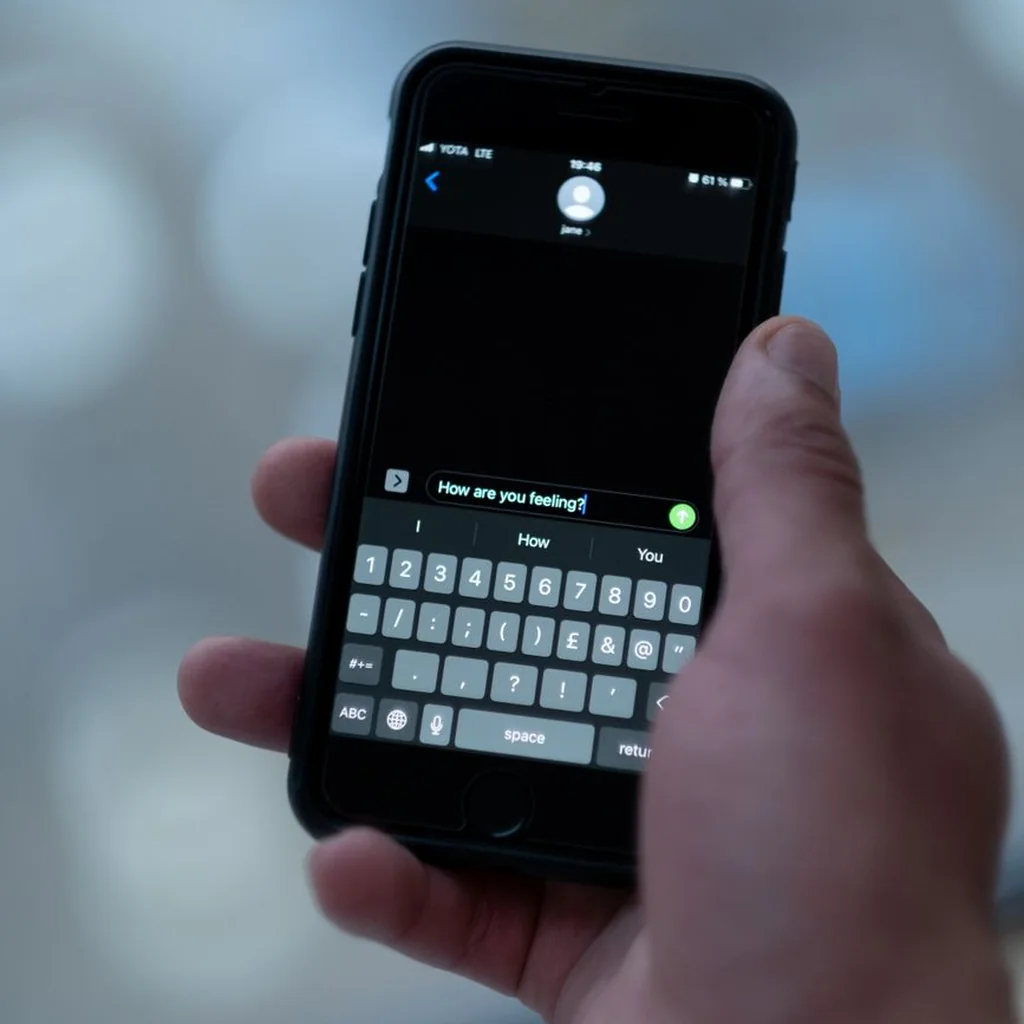
Το τελευταίο μήνυμα
The Last Message
On a rainy day, Nikos reads old messages from Maria and wonders whether to delete the last one or finally reply.
Three short parts. Read each part in Greek first; tap “Show English” under a paragraph when you need the translation.


Part 1
Ο Νίκος καθόταν μόνος στο μικρό του δωμάτιο. Έξω έβρεχε και στο τραπέζι ήταν ένα κρύο φλιτζάνι καφέ.
Show EnglishHide English
Nikos was sitting alone in his small room. It was raining outside, and there was a cold cup of coffee on the table.
Στο κινητό του είχε ακόμα παλιά μηνύματα από τη Μαρία. Τα διάβαζε ξανά και ξανά, αν και είχαν περάσει πολλοί μήνες από την τελευταία φορά που είχαν μιλήσει.
Show EnglishHide English
He still had old messages from Maria on his phone. He read them again and again, even though many months had passed since they last spoke.
«Καλημέρα, να έχεις μια όμορφη μέρα», έγραφε ένα από τα μηνύματα. Σε ένα άλλο, η Μαρία του έλεγε ότι είχε βρει καινούρια δουλειά. Ο Νίκος χαμογέλασε για λίγο, αλλά μετά ένιωσε έναν κόμπο στον λαιμό του.
Show EnglishHide English
“Good morning, have a lovely day,” one of the messages said. In another, Maria told him she had found a new job. Nikos smiled for a moment, but then he felt a lump in his throat.
Πήρε μια βαθιά ανάσα και άρχισε να τα διαγράφει. Ένα, δύο, τρία… Τα παλιά μηνύματα εξαφανίζονταν από την οθόνη.
Show EnglishHide English
He took a deep breath and began deleting them. One, two, three… The old messages disappeared from the screen.
Έμεινε μόνο το τελευταίο. Ήταν ένα σύντομο μήνυμα, στο οποίο δεν είχε απαντήσει ποτέ: «Θέλεις να συναντηθούμε;»
Show EnglishHide English
Only the last one remained. It was a short message that he had never answered: “Would you like to meet?”
Ο Νίκος ακούμπησε το δάχτυλό του στη λέξη «Διαγραφή», αλλά σταμάτησε. Κοίταξε το μήνυμα και σκέφτηκε αν έπρεπε να το σβήσει ή να γράψει επιτέλους μια απάντηση.
Show EnglishHide English
Nikos placed his finger on the word “Delete,” but stopped. He looked at the message and wondered whether he should erase it or finally write a reply.
Part 2Το μήνυμα της Μαρίας(Maria’s Message)
Ο Νίκος τράβηξε το δάχτυλό του από τη λέξη «Διαγραφή». Δεν μπορούσε να σβήσει αυτό το μήνυμα χωρίς να απαντήσει. Άνοιξε το πληκτρολόγιο και έγραψε: «Γεια σου, Μαρία. Συγγνώμη που δεν απάντησα τότε».
Show EnglishHide English
Nikos moved his finger away from the word “Delete.” He couldn’t erase this message without replying. He opened the keyboard and typed: “Hi, Maria. I’m sorry I didn’t reply back then.”
Διάβασε τη φράση πολλές φορές. Μετά πρόσθεσε: «Θα ήθελα να σε δω, αν θέλεις κι εσύ». Η καρδιά του χτυπούσε πιο γρήγορα. Δεν ήξερε αν η Μαρία περίμενε ακόμα την απάντησή του.
Show EnglishHide English
He read the sentence many times. Then he added: “I’d like to see you, if you want to as well.” His heart beat faster. He didn’t know if Maria was still waiting for his reply.
Πριν στείλει το μήνυμα, κοίταξε την ημερομηνία. Είχαν περάσει σχεδόν οκτώ μήνες. Ίσως είχε αλλάξει δουλειά ή ακόμα και αριθμό τηλεφώνου. Ίσως δεν ήθελε πια να τον συναντήσει.
Show EnglishHide English
Before sending the message, he looked at the date. Almost eight months had passed. Maybe she had changed jobs, or even her phone number. Maybe she no longer wanted to meet him.
Ο Νίκος άφησε το κινητό πάνω στο τραπέζι και ήπιε μια γουλιά από τον κρύο καφέ. Ύστερα το πήρε ξανά στα χέρια του. Το μήνυμα ήταν έτοιμο, αλλά δεν ήξερε αν έπρεπε να πατήσει «Αποστολή» ή να περιμένει λίγο ακόμα.
Show EnglishHide English
Nikos put the phone on the table and took a sip of the cold coffee. Then he picked it up again. The message was ready, but he didn’t know if he should press “Send” or wait a little longer.
Part 3Το μήνυμα της Μαρία(Maria’s Message)
Ο Νίκος κοίταξε ξανά το μήνυμα. Δεν ήθελε να περιμένει άλλο. Πήρε μια βαθιά ανάσα και πάτησε «Αποστολή».
Show EnglishHide English
Nikos looked at the message again. He didn’t want to wait any longer. He took a deep breath and pressed “Send.”
Για λίγα λεπτά έμεινε ακίνητος. Άκουγε μόνο τη βροχή έξω από το παράθυρο. Μετά άφησε το κινητό στο τραπέζι και σηκώθηκε για να ζεστάνει τον καφέ του.
Show EnglishHide English
For a few minutes, he sat still. He could hear only the rain outside the window. Then he left the phone on the table and got up to warm his coffee.
Το κινητό χτύπησε πριν προλάβει να βγει από το δωμάτιο. Ο Νίκος το πήρε γρήγορα. Η Μαρία είχε απαντήσει: «Γεια σου, Νίκο. Χάρηκα πολύ που μου έγραψες. Ναι, θέλω να σε δω. Μπορούμε να πιούμε έναν καφέ αύριο;»
Show EnglishHide English
The phone rang before he could leave the room. Nikos picked it up quickly. Maria had replied: “Hi, Nikos. I’m so glad you wrote to me. Yes, I’d like to see you. Can we have a coffee tomorrow?”
Ο Νίκος χαμογέλασε. Τα χέρια του δεν έτρεμαν πια. Έγραψε: «Ναι, αύριο είναι πολύ καλά. Στις έξι, στο παλιό μας καφέ;»
Show EnglishHide English
Nikos smiled. His hands were no longer shaking. He typed: “Yes, tomorrow is great. At six, at our old café?”
Η Μαρία απάντησε αμέσως: «Στις έξι. Θα είμαι εκεί.»
Show EnglishHide English
Maria replied at once: “At six. I’ll be there.”
Ο Νίκος έκλεισε το κινητό και διέγραψε τα παλιά μηνύματα. Δεν χρειαζόταν πια να κρατάει το παρελθόν στην οθόνη. Αύριο θα μιλούσε με τη Μαρία από κοντά.
Show EnglishHide English
Nikos turned off his phone and deleted the old messages. He no longer needed to keep the past on the screen. Tomorrow he would talk with Maria in person.
Practise this Greek story
Vocabulary in context
Important words and phrases
καθόταν
verbRomanization: kathotan
was sitting
Η Ελένη καθόταν στο παγκάκι.
Eleni was sitting on the bench.
μόνος
adjectiveRomanization: monos
alone
Έμεινε μόνος στο σπίτι.
He stayed home alone.
μηνύματα
nounRomanization: minimata
messages
Έχει πολλά μηνύματα στο κινητό του.
He has many messages on his phone.
ξανά και ξανά
phraseRomanization: xana kai xana
again and again
Το διάβασε ξανά και ξανά.
He read it again and again.
διέγραψε
verbRomanization: diegrapse
deleted
Διέγραψε το παλιό μήνυμα.
He deleted the old message.
συναντηθούμε
verbRomanization: sinantithoume
meet each other
Θέλεις να συναντηθούμε αύριο;
Do you want to meet tomorrow?
απάντηση
nounRomanization: apantisi
reply
Περιμένω μια απάντηση.
I'm waiting for a reply.
Αποστολή
nounRomanization: Apostoli
Send
Πάτησε «Αποστολή».
He pressed “Send.”
καφέ
nounRomanization: kafe
coffee
Θέλω να πιούμε έναν καφέ αύριο.
I want us to have a coffee tomorrow.
χάρηκα
verbRomanization: harika
I was glad
Χάρηκα πολύ που σε είδα.
I was very glad to see you.
Check your understanding
Comprehension questions
Choose an answer, check it, then move to the next question.
Question 1 of 3
- Question 1: current not answered
- Question 2: not answered
- Question 3: not answered
Notice the language
Language notes
να + ρήμα
Greek often uses να + verb after words like θέλω, μπορώ, or πρέπει to talk about an action someone wants, can, or should do. It is very common in invitations and plans. For example: «Θέλω να σε δω αύριο.» This pattern is reusable in many everyday sentences.
Θέλω να σε δω αύριο.
I want to see you tomorrow.
More Greek stories to read next

Το παλτό στο κατάστημα
The Coat in the Store
Maria finds a coat she loves but must decide how to buy it while also saving money for new shoes.
Το σύνθημα της ομάδας
The Team Chant
New player Nikos doesn’t know his team’s chant and mouths along, hoping no one will notice.

Το κινητό που θα κλείσει
The Phone That Is About to Die
Anna is giving a young man her phone number when her battery is almost empty.

Το λάθος στο ρολόι
The Watch Mistake
Nikos arrives in a new country and tries to catch a bus after realizing his watch is an hour behind.