
Photo: Tuba Duran on Pexels
Η γιαγιά Μαρία στο πανηγύρι
Grandma Maria at the Festival
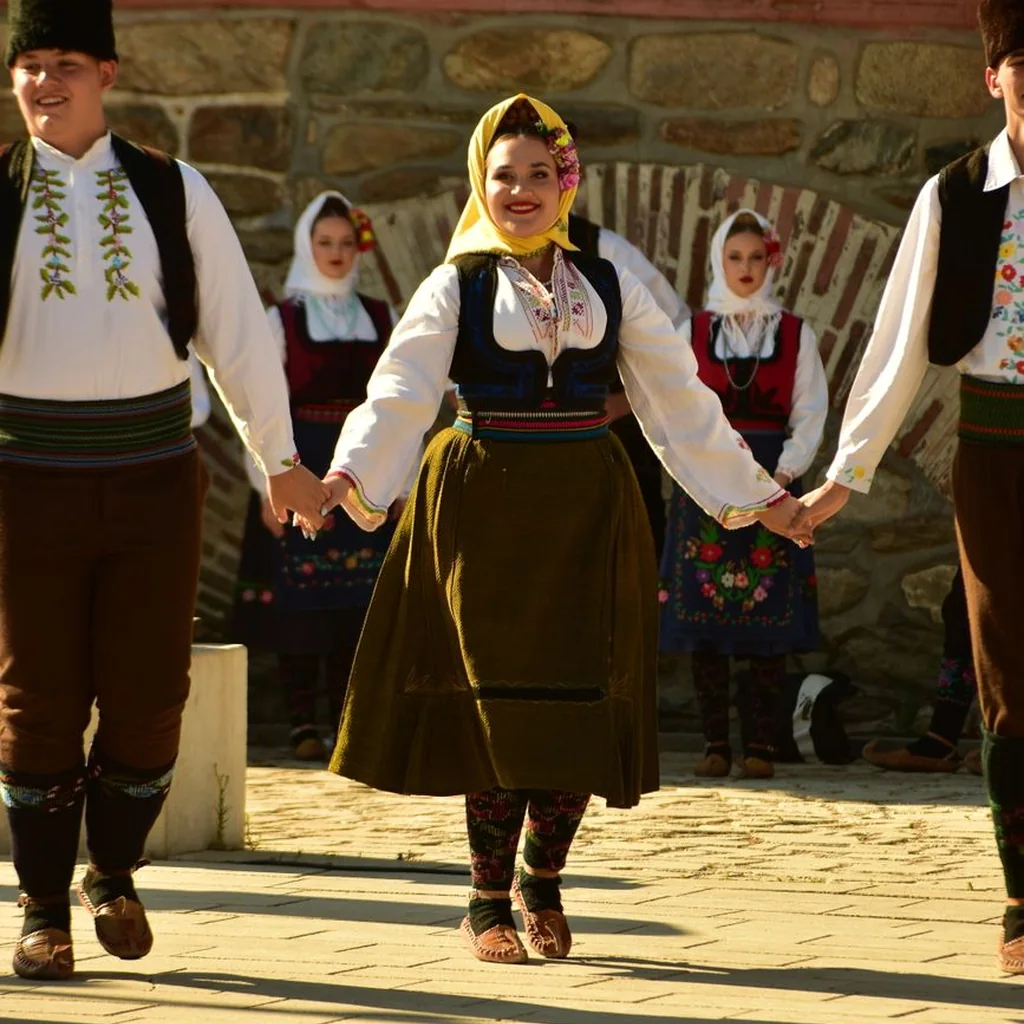
At a village festival, Grandma Maria is invited to join a folk dance, even though she does not know the steps.
Three short parts. Read each part in Greek first; tap “Show English” under a paragraph when you need the translation.


Part 1
Το Σάββατο, η γιαγιά Μαρία πήγε με την εγγονή της σε ένα πανηγύρι στο χωριό. Στην πλατεία έπαιζε μουσική και μια ομάδα χόρευε παραδοσιακούς χορούς.
Show EnglishHide English
On Saturday, Grandma Maria went with her granddaughter to a festival in the village. Music played in the square, and a group was dancing traditional dances.
Ξαφνικά, ο χορευτής που ήταν μπροστά στον κύκλο είδε τη γιαγιά και της είπε: «Έλα κι εσύ μαζί μας!». Όλοι χειροκρότησαν. Η Μαρία σηκώθηκε αργά και ανέβηκε στη σκηνή, αλλά δεν ήξερε ούτε ένα βήμα.
Show EnglishHide English
Suddenly, the dancer at the front of the circle saw Grandma Maria and said to her, “Come and join us!” Everyone clapped. Maria stood up slowly and went onto the stage, but she did not know a single step.
«Μην ανησυχείς, γιαγιά», της είπε η εγγονή της. «Κοίτα τα πόδια μου και κάνε ό,τι κάνω».
Show EnglishHide English
“Don’t worry, Grandma,” her granddaughter said. “Look at my feet and do what I do.”
Η μουσική άρχισε. Η Μαρία κοίταξε δεξιά και μετά αριστερά, αλλά οι χορευτές πήγαιναν πολύ γρήγορα. Έκανε ένα μικρό βήμα και κατά λάθος πάτησε το πόδι του κυρίου δίπλα της.
Show EnglishHide English
The music began. Maria looked to the right and then to the left, but the dancers were moving very fast. She took a small step and accidentally stepped on the foot of the man beside her.
«Συγγνώμη!» είπε και άρχισε να γελάει. Ο κόσμος χειροκροτούσε ακόμα πιο δυνατά. Τότε ο αρχηγός της ομάδας σταμάτησε τη μουσική και της είπε: «Θέλεις να δοκιμάσουμε έναν πιο εύκολο χορό;» Η Μαρία πήρε μια βαθιά ανάσα και…
Show EnglishHide English
“Sorry!” she said, and started to laugh. The people clapped even louder. Then the group leader stopped the music and said to her, “Would you like to try an easier dance?” Maria took a deep breath and…
Part 2Ο χορός στον κύκλο(The Circle Dance)
Η μουσική άρχισε ξανά, αυτή τη φορά πιο αργά. Ο αρχηγός έκανε ένα μικρό βήμα προς τα δεξιά και μετά ένα προς τα αριστερά. Η Μαρία τον κοίταξε προσεκτικά και τον ακολούθησε. Στην αρχή τα πόδια της μπερδεύτηκαν, αλλά γρήγορα βρήκε τον ρυθμό.
Show EnglishHide English
The music began again, this time more slowly. The leader took a small step to the right and then one to the left. Maria watched him carefully and followed him. At first, her feet got mixed up, but she soon found the rhythm.
«Μπράβο, γιαγιά!» φώναξε η εγγονή της. Η Μαρία χαμογέλασε και κούνησε τα χέρια της στον ρυθμό της μουσικής. Τώρα δεν κοίταζε μόνο τα πόδια των άλλων. Χόρευε μόνη της, έστω και με μικρά βήματα.
Show EnglishHide English
“Well done, Grandma!” her granddaughter shouted. Maria smiled and moved her arms to the rhythm of the music. Now she was not only looking at the other dancers’ feet. She was dancing on her own, even if she took small steps.
Ο κόσμος χειροκρότησε και ο κύριος δίπλα της τής είπε: «Τώρα χορεύεις πολύ καλά!» Η Μαρία γέλασε. «Δεν ξέρω αν χορεύω καλά, αλλά περνάω ωραία!»
Show EnglishHide English
The people clapped, and the man beside her said, “You’re dancing really well now!” Maria laughed. “I don’t know if I’m dancing well, but I’m having a good time!”
Τότε ο αρχηγός πλησίασε την εγγονή της και της ψιθύρισε κάτι. Εκείνη κοίταξε τη Μαρία με μάτια ορθάνοιχτα.
Show EnglishHide English
Then the leader went over to her granddaughter and whispered something to her. She looked at Maria with her eyes wide open.
«Γιαγιά», είπε, «ο αρχηγός θέλει να μπεις μπροστά στον κύκλο για τον επόμενο χορό». Η Μαρία σταμάτησε να χαμογελά. Μπροστά; Μα εκεί δεν ήξερε ούτε ένα βήμα.
Show EnglishHide English
“Grandma,” she said, “the leader wants you to stand at the front of the circle for the next dance.” Maria stopped smiling. At the front? But she didn’t know a single step there.
Part 3Το χαμόγελο του χορού(The Joy of Dancing)
Η Μαρία κοίταξε την εγγονή της με έκπληξη. «Εγώ μπροστά; Μα δεν ξέρω κανέναν χορό!» είπε.
Show EnglishHide English
Maria looked at her granddaughter in surprise. “Me at the front? But I don’t know any dances!” she said.
Ο αρχηγός χαμογέλασε. «Δεν χρειάζεται να ξέρεις πολλά. Κάνε μικρά βήματα και εμείς θα σε ακολουθήσουμε».
Show EnglishHide English
The leader smiled. “You don’t need to know much. Take small steps, and we’ll follow you.”
Η Μαρία πήρε άλλη μία βαθιά ανάσα και πήγε στην πρώτη θέση του κύκλου. Η μουσική άρχισε αργά. Έκανε ένα βήμα δεξιά, ένα βήμα αριστερά και μετά σταμάτησε για λίγο. Οι άλλοι χορευτές περίμεναν και χαμογελούσαν.
Show EnglishHide English
Maria took another deep breath and went to the front of the circle. The music began slowly. She took one step to the right, one step to the left, and then stopped for a moment. The other dancers waited and smiled.
Τότε η Μαρία σήκωσε τα χέρια της και άρχισε να κινείται όπως ένιωθε. Οι χορευτές την ακολούθησαν. Δεν ήταν ένας τέλειος χορός, αλλά όλοι χόρευαν μαζί και διασκέδαζαν. Ο κόσμος χειροκροτούσε δυνατά.
Show EnglishHide English
Then Maria raised her arms and began to move as she felt like moving. The dancers followed her. It wasn’t a perfect dance, but everyone danced together and had fun. The people clapped loudly.
Όταν τελείωσε η μουσική, η εγγονή της αγκάλιασε τη Μαρία. «Γιαγιά, ήσουν υπέροχη!»
Show EnglishHide English
When the music ended, her granddaughter hugged Maria. “Grandma, you were wonderful!”
Η Μαρία γέλασε. «Τελικά, δεν χρειάζονται δύσκολα βήματα για να χορέψεις. Χρειάζεται μόνο χαμόγελο!»
Show EnglishHide English
Maria laughed. “It turns out you don’t need difficult steps to dance. All you need is a smile!”
Μετά κατέβηκαν από τη σκηνή και κάθισαν μαζί, χαρούμενες, να πιουν λεμονάδα.
Show EnglishHide English
Then they came down from the stage and sat together, happily, to drink lemonade.
Practise this Greek story
Vocabulary in context
Important words and phrases
πανηγύρι
nounRomanization: panigiri
village festival
Το πανηγύρι είχε μουσική και χορό.
The festival had music and dancing.
πλατεία
nounRomanization: plateia
square
Η μουσική έπαιζε στην πλατεία.
The music was playing in the square.
παραδοσιακούς χορούς
phraseRomanization: paradosiakous horous
traditional dances
Στο πανηγύρι είδαμε παραδοσιακούς χορούς.
At the festival we saw traditional dances.
σκηνή
nounRomanization: skini
stage
Η γιαγιά ανέβηκε στη σκηνή.
Grandma climbed onto the stage.
χειροκρότησαν
verbRomanization: hirokrotisan
they applauded
Ο κόσμος χειροκρότησε δυνατά.
The crowd clapped loudly.
βήμα
nounRomanization: vima
step
Έκανε ένα μικρό βήμα.
She made a small step.
ρυθμός
nounRomanization: rithmos
rhythm
Χορεύω στον ρυθμό της μουσικής.
I dance to the rhythm of the music.
ακολουθώ
verbRomanization: akoloutho
to follow
Η Μαρία τον ακολούθησε.
Maria followed him.
αρχηγός της ομάδας
noun phraseRomanization: arhigos tis omadas
group leader
Ο αρχηγός της ομάδας μίλησε πρώτος.
The group leader spoke first.
μπροστά στον κύκλο
phraseRomanization: brosta ston kiklo
in front of the circle
Πήγε μπροστά στον κύκλο.
He/She went to the front of the circle.
λεμονάδα
nounRomanization: lemonada
lemonade
Μετά ήπιαμε λεμονάδα.
Afterwards we drank lemonade.
Check your understanding
Comprehension questions
Choose an answer, check it, then move to the next question.
Question 1 of 3
- Question 1: current not answered
- Question 2: not answered
- Question 3: not answered
Notice the language
Language notes
θέλει να + ρήμα
Use θέλει να + verb to say what someone wants to do, or what they want another person to do. The verb after να is in the subjunctive and agrees with the person who does the action. For a single, complete action Greek normally uses the perfective form, as in the story: "ο αρχηγός θέλει να μπεις μπροστά στον κύκλο". For an ongoing or repeated action it uses the imperfective form, which looks like the present (να μπαίνεις). You can reuse this pattern in many situations, for example: "Η φίλη μου θέλει να έρθεις μαζί μας."
Η φίλη μου θέλει να έρθεις μαζί μας.
My friend wants you to come with us.
More Greek stories to read next
Η Μόνα Λίζα στο Λούβρο
Mona Lisa at the Louvre
Nikos visits the Louvre with his uncle and discovers that the famous painting is much smaller than he imagined.

Η τελευταία ομπρέλα
The Last Umbrella
Two strangers reach for the last umbrella in a shop and must decide how to share it in the rain.
Ο Νίκος και το παραμύθι
Nikos and the Storybook
At bedtime, little Nikos keeps finishing every line of his favorite story before his mother can read it.
Το ληγμένο γάλα
The Expired Milk
Nikos finds that his milk has expired just as his coffee is ready, and must decide what to do before work.