
Photo: Bryan Dijkhuizen on Pexels
Το δελτίο λόττο
The Lottery Ticket
Nikos buys a lottery ticket every week, but when the machine is broken, he must find another way to play.
Three short parts. Read each part in Greek first; tap “Show English” under a paragraph when you need the translation.


Part 1
Ο Νίκος αγοράζει ένα δελτίο λόττο κάθε εβδομάδα. Κάθε Σάββατο πρωί πηγαίνει στο ίδιο μικρό περίπτερο και διαλέγει τους ίδιους αριθμούς. Τους έχει γραμμένους σε ένα χαρτί μέσα στο πορτοφόλι του.
Show EnglishHide English
Nikos buys a lottery ticket every week. Every Saturday morning, he goes to the same small kiosk and chooses the same numbers. He has them written on a piece of paper in his wallet.
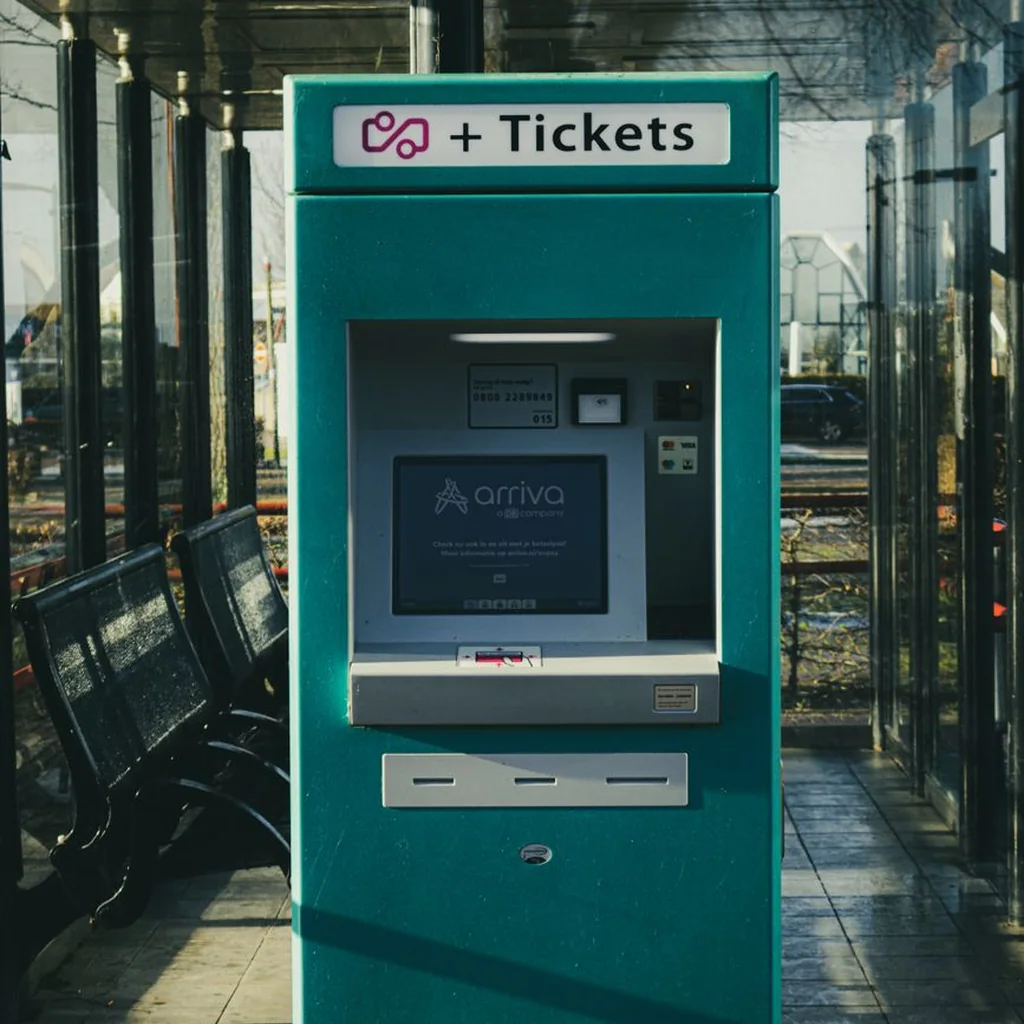
Σήμερα είναι Σάββατο και ο Νίκος πηγαίνει στο περίπτερο όπως πάντα. Όμως, πάνω στο μηχάνημα υπάρχει ένα χαρτί που γράφει: «Εκτός λειτουργίας». Ο Νίκος κοιτάζει το μηχάνημα και μετά τον υπάλληλο.
Show EnglishHide English
Today is Saturday, and Nikos goes to the kiosk as usual. But there is a piece of paper on the machine that says, “Out of order.” Nikos looks at the machine and then at the clerk.
«Τι έγινε;» ρωτάει.
Show EnglishHide English
“What happened?” he asks.
«Χάλασε πριν από λίγο», λέει ο υπάλληλος. «Περιμένουμε έναν τεχνικό, αλλά δεν ξέρουμε πότε θα έρθει».
Show EnglishHide English
“It broke a little while ago,” the clerk says. “We are waiting for a technician, but we don’t know when he will come.”
Ο Νίκος κοιτάζει το ρολόι του. Η κλήρωση είναι το βράδυ και θέλει πολύ να παίξει σήμερα. Βγάζει το χαρτί με τους αριθμούς από το πορτοφόλι του και το κρατάει στο χέρι.
Show EnglishHide English
Nikos looks at his watch. The draw is in the evening, and he really wants to play today. He takes the paper with the numbers out of his wallet and holds it in his hand.
Λίγο πιο κάτω υπάρχει ένα άλλο περίπτερο. Ο Νίκος πρέπει τώρα να αποφασίσει αν θα περιμένει εκεί ή αν θα πάει στο άλλο περίπτερο.
Show EnglishHide English
There is another kiosk a little farther down the street. Nikos must now decide whether to wait there or go to the other kiosk.
Part 2Το χαρτί και ο αριθμός(The Paper and the Number)
Ο Νίκος αποφασίζει να πάει στο άλλο περίπτερο. Χαιρετά τον υπάλληλο και βάζει προσεκτικά το χαρτί στο πορτοφόλι του. Μετά περπατά γρήγορα στον δρόμο.
Show EnglishHide English
Nikos decides to go to the other kiosk. He says goodbye to the clerk and carefully puts the paper in his wallet. Then he walks quickly down the street.
Στο άλλο περίπτερο υπάρχει ήδη μια μικρή ουρά. Ο Νίκος κοιτάζει το ρολόι του. Δεν έχει πολύ χρόνο, αλλά στέκεται πίσω από έναν κύριο.
Show EnglishHide English
There is already a short line at the other kiosk. Nikos looks at his watch. He does not have much time, but he stands behind a man.
Όταν έρχεται η σειρά του, δίνει το χαρτί στον υπάλληλο. «Θέλω ένα δελτίο με αυτούς τους αριθμούς, παρακαλώ».
Show EnglishHide English
When it is his turn, he gives the paper to the clerk. “I’d like a ticket with these numbers, please.”
Ο υπάλληλος κοιτάζει το χαρτί και αρχίζει να πατά τα κουμπιά στο μηχάνημα. Ξαφνικά σταματά.
Show EnglishHide English
The clerk looks at the paper and starts pressing the buttons on the machine. Suddenly, he stops.
«Συγγνώμη», λέει. «Αυτός ο αριθμός είναι έξι ή οκτώ;»
Show EnglishHide English
“Sorry,” he says. “Is this number a six or an eight?”
Ο Νίκος παίρνει το χαρτί και το κοιτάζει. Το μελάνι έχει σβήσει λίγο. Πράγματι, δεν βλέπει καλά τον αριθμό. Κάθε εβδομάδα βάζει τον ίδιο αριθμό, αλλά σήμερα δεν είναι σίγουρος.
Show EnglishHide English
Nikos takes the paper and looks at it. The ink has faded a little. He really cannot see the number clearly. He chooses the same number every week, but today he is not sure.
Κοιτάζει το ρολόι και μετά την οθόνη. Πρέπει να αποφασίσει γρήγορα.
Show EnglishHide English
He looks at his watch and then at the screen. He has to decide quickly.
Part 3Το εβδομαδιαίο δελτίο του Νίκου(Nikos’s Weekly Ticket)
Ο Νίκος παίρνει μια βαθιά ανάσα. Θυμάται τους αριθμούς του και λέει: «Είναι οκτώ. Είμαι σίγουρος».
Show EnglishHide English
Nikos takes a deep breath. He remembers his numbers and says, “It’s an eight. I’m sure.”
Ο υπάλληλος πατάει ξανά το κουμπί και τυπώνει το δελτίο. Ο Νίκος το κοιτάζει προσεκτικά. Όλοι οι αριθμοί είναι σωστοί. Πληρώνει και βάζει το δελτίο στο πορτοφόλι του.
Show EnglishHide English
The clerk presses the button again and prints the ticket. Nikos looks at it carefully. All the numbers are correct. He pays and puts the ticket in his wallet.
«Τα καταφέρατε», λέει ο υπάλληλος με χαμόγελο.
Show EnglishHide English
“You did it,” the clerk says with a smile.
«Ναι», απαντά ο Νίκος. «Δεν θέλω να χάσω την ευκαιρία αυτή την εβδομάδα».
Show EnglishHide English
“Yes,” Nikos answers. “I don’t want to miss this chance this week.”
Το βράδυ βλέπει την κλήρωση στην τηλεόραση. Ένας από τους αριθμούς είναι το οκτώ. Ο Νίκος χαμογελά, αλλά οι άλλοι αριθμοί είναι διαφορετικοί. Δεν κερδίζει αυτή τη φορά.
Show EnglishHide English
In the evening, he watches the draw on TV. One of the numbers is eight. Nikos smiles, but the other numbers are different. He does not win this time.
Δεν πειράζει. Χαίρεται που έπαιξε με τους ίδιους αριθμούς, όπως κάθε Σάββατο. Την επόμενη εβδομάδα πηγαίνει πάλι στο μικρό περίπτερο. Το μηχάνημα λειτουργεί ξανά κανονικά.
Show EnglishHide English
That’s okay. He is happy that he played with the same numbers, like every Saturday. The next week, he goes to the small kiosk again. The machine is working normally again.
Ο υπάλληλος τον χαιρετά. Ο Νίκος χαμογελά και του δίνει το χαρτί του. Η εβδομαδιαία συνήθειά του συνεχίζεται.
Show EnglishHide English
The clerk greets him. Nikos smiles and gives him his paper. His weekly habit continues.
Practise this Greek story
Vocabulary in context
Important words and phrases
δελτίο λόττο
noun phraseRomanization: deltio lotto
lottery ticket
Αγόρασα ένα δελτίο λόττο.
I bought a lottery ticket.
κάθε εβδομάδα
adverbial phraseRomanization: kathe evdomada
every week
Κάθε εβδομάδα αγοράζω ψωμί.
Every week I buy bread.
Κάθε Σάββατο πρωί
adverbial phraseRomanization: kathe Savvato proi
every Saturday morning
Κάθε Σάββατο πρωί πίνω καφέ.
Every Saturday morning I drink coffee.
περίπτερο
nounRomanization: periptero
kiosk
Το περίπτερο είναι δίπλα στο σπίτι μου.
The kiosk is next to my house.
πορτοφόλι
nounRomanization: portofoli
wallet
Το πορτοφόλι μου είναι στην τσάντα.
My wallet is in my bag.
εκτός λειτουργίας
adjective phraseRomanization: ektos leitourgias
out of order
Το μηχάνημα είναι εκτός λειτουργίας.
The machine is out of order.
ουρά
nounRomanization: oura
line
Υπάρχει ουρά στο ταμείο.
There is a line at the checkout.
σειρά του
noun phraseRomanization: seira tou
his turn
Είναι η σειρά του.
It is his turn.
πληρώνει
verbRomanization: plironei
pays
Πληρώνω με κάρτα.
I pay with a card.
κλήρωση
nounRomanization: klirosi
lottery draw
Η κλήρωση είναι το βράδυ.
The lottery draw is in the evening.
δεν πειράζει
expressionRomanization: den pirazi
it's okay
Δεν πειράζει, θα περιμένω.
It's okay, I will wait.
Check your understanding
Comprehension questions
Choose an answer, check it, then move to the next question.
Question 1 of 3
- Question 1: current not answered
- Question 2: not answered
- Question 3: not answered
Notice the language
Language notes
Κάθε Σάββατο πρωί / κάθε εβδομάδα
Use κάθε + a time expression to say that something happens regularly. It means "every" in a routine. You can reuse it with days or weeks: Κάθε Σάββατο πρωί πηγαίνω στο περίπτερο. / Κάθε εβδομάδα αγοράζω ψωμί.
Κάθε Σάββατο πρωί πηγαίνω στο περίπτερο.
Every Saturday morning I go to the kiosk.
More Greek stories to read next

Η Μαρία στους αγώνες γυμναστικής
Maria at the Gymnastics Competition
Thirteen-year-old Maria forgets the first move of her gymnastics routine and tries to find the rhythm again.

Το πρόβλημα με το ίντερνετ
The Internet Problem
Nikos calls customer support when his computer cannot connect to the internet and tries to get help.

Στο φαρμακείο στην Ιταλία
At the Pharmacy in Italy
In an Italian pharmacy, Nikos uses gestures to explain what he needs and understand how to take it.

Το πάρτι με τις στολές
The Costume Party
Nikos arrives at a party in everyday clothes, while all his friends are wearing costumes.