
Photo: Unknown User on Pexels
La decisión en el banquillo
The Decision on the Bench
A father coaching his daughter’s team weighs whether to play her or a stronger teammate in a tense final.
Three short parts. Read each part in Spanish first; tap “Show English” under a paragraph when you need the translation.


Part 1
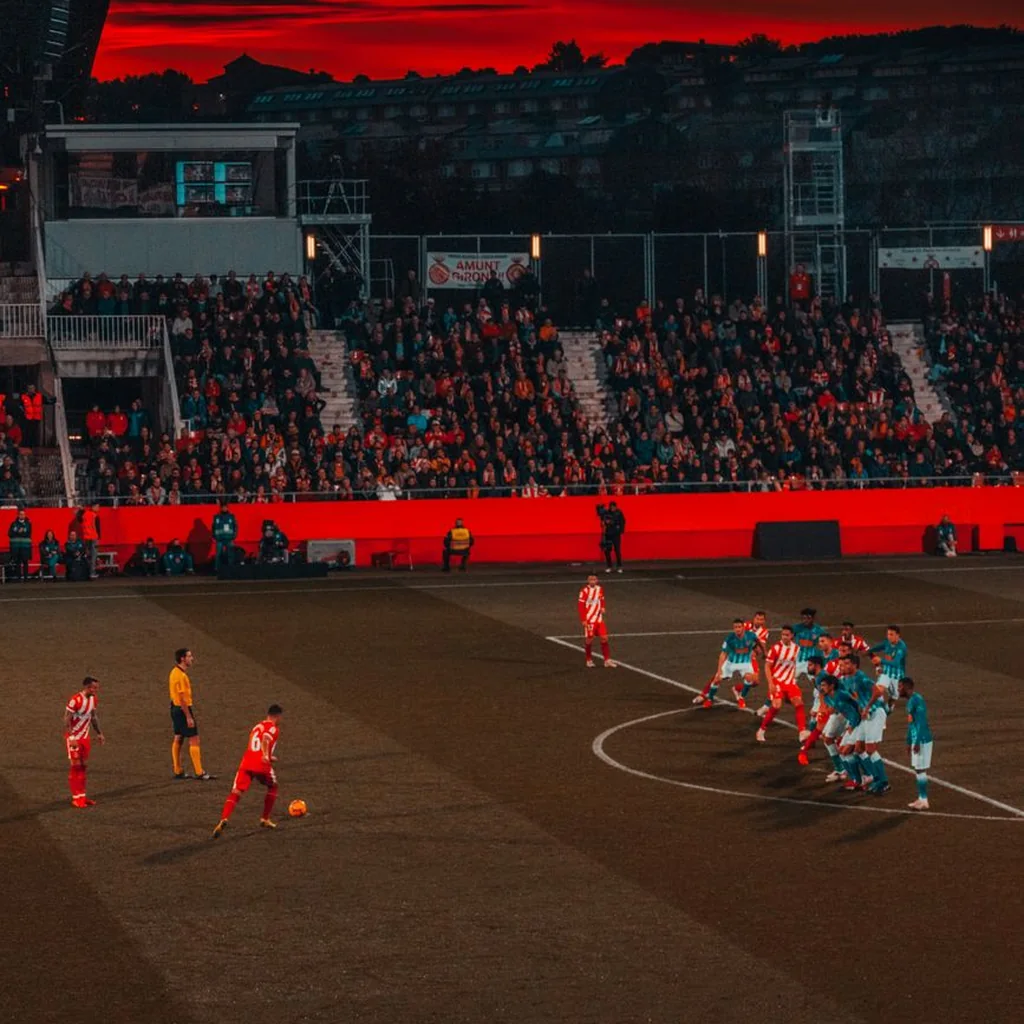
El gimnasio estaba lleno y el marcador mostraba un empate a dos a falta de tres minutos. Marcos, entrenador del equipo infantil y padre de Clara, miró al banquillo. Su hija llevaba toda la temporada esperando una oportunidad así, pero en los últimos entrenamientos Leo había jugado mejor: era más rápido y preciso que ella.
Show EnglishHide English
The gym was packed, and the scoreboard showed a two-all tie with three minutes remaining. Marcos, coach of the youth team and father of Clara, looked toward the bench. His daughter had been waiting all season for an opportunity like this, but at recent practices Leo had played better: he was faster and more accurate than she was.
—Si quieres ganar, tienes que hacer entrar a Leo —le dijo su ayudante en voz baja—. Clara está nerviosa.
Show EnglishHide English
“If you want to win, you have to put Leo in,” his assistant told him quietly. “Clara is nervous.”
Marcos observó a su hija. Tenía las manos apretadas sobre las rodillas y seguía cada jugada con atención. No parecía exigir que la pusiera; solo quería demostrar que podía estar allí.
Show EnglishHide English
Marcos watched his daughter. Her hands were clasped over her knees, and she followed every play attentively. She did not seem to be demanding that he put her in; she just wanted to prove she could belong out there.
En las gradas, la madre de Clara evitaba cruzar la mirada con él. Marcos sabía que cualquier decisión podía interpretarse como favoritismo o como una traición. El árbitro hizo sonar el silbato y señaló un tiempo muerto.
Show EnglishHide English
In the stands, Clara’s mother avoided meeting his eyes. Marcos knew any decision could be interpreted as favoritism or betrayal. The referee blew the whistle and signaled a timeout.
—Entrenador, ¿quién entra? —preguntó el capitán.
Show EnglishHide English
“Coach, who’s going in?” the captain asked.
Marcos cogió la pizarra, respiró hondo y miró primero a Leo y después a Clara, esperando que alguno de los dos le diera una razón definitiva.
Show EnglishHide English
Marcos picked up the tactics board, took a deep breath, and looked first at Leo and then at Clara, hoping one of them would give him a decisive reason.
Part 2Confiar en la jugada(Trusting the Play)
Marcos dejó la pizarra sobre la mesa y señaló a Clara.
Show EnglishHide English
Marcos set the tactics board on the table and pointed to Clara.
—Entras tú. Quédate abierta, mira antes de recibir y juega sencillo.
Show EnglishHide English
“You’re going in. Stay wide, look before you receive the ball, and keep it simple.”
Ella levantó la cabeza, sorprendida. Luego asintió, aunque todavía le temblaban las manos. Marcos se volvió hacia Leo.
Show EnglishHide English
She looked up, surprised. Then she nodded, though her hands were still trembling. Marcos turned to Leo.
—Y tú prepárate. Puede que te necesitemos dentro de un minuto.
Show EnglishHide English
“And you get ready. We may need you in a minute.”
Leo no protestó. Se limitó a ajustarse las zapatillas y le dio a Clara una breve palmada en el hombro.
Show EnglishHide English
Leo did not protest. He simply adjusted his shoes and gave Clara a brief pat on the shoulder.
—Haz lo que sabes hacer.
Show EnglishHide English
“Do what you know how to do.”
Cuando Clara entró en la pista, el ruido de las gradas pareció aumentar. Durante los primeros segundos no tocó el balón, pero corrió, ocupó su espacio y obligó a una defensora a seguirla. Después, el capitán le pasó la pelota. Clara la controló y, en vez de intentar una jugada difícil, se la devolvió con precisión.
Show EnglishHide English
When Clara stepped onto the court, the noise from the stands seemed to grow louder. For the first few seconds she did not touch the ball, but she ran, held her position, and made a defender follow her. Then the captain passed her the ball. Clara controlled it and, instead of attempting a difficult play, returned it to him accurately.
El siguiente ataque fue más complicado. Clara recibió cerca del área y vio un espacio libre hacia la portería. Al mismo tiempo, Leo ya estaba preparado para entrar, y el ayudante gritó desde el banquillo:
Show EnglishHide English
The next attack was more complicated. Clara received the ball near the goal area and saw an open space toward the goal. At the same time, Leo was already ready to go in, and the assistant shouted from the bench:
—¡Marcos, sácala ahora!
Show EnglishHide English
“Marcos, take her off now!”
Marcos tuvo que decidir si protegerla o confiar en ella.
Show EnglishHide English
Marcos had to decide whether to protect her or trust her.
Part 3Jugar para el equipo(Playing for the Team)
Marcos levantó la mano para detener el cambio. Clara avanzó hacia el espacio, pero, antes de que la defensora pudiera cerrarle el paso, vio al capitán desmarcado junto al segundo palo. En lugar de tirar a portería, le pasó el balón con suavidad. Él remató de primeras y marcó.
Show EnglishHide English
Marcos raised his hand to stop the substitution. Clara moved toward the opening, but before the defender could block her way, she spotted the unmarked captain by the far post. Instead of shooting at goal, she passed him the ball gently. He struck it first time and scored.
Las gradas estallaron, pero Marcos apenas tuvo tiempo de sonreír. Quedaba poco más de un minuto y el equipo contrario sacó deprisa. Clara retrocedió, siguió a su jugadora y consiguió interceptar un pase. Esta vez no intentó salir corriendo: protegió el balón y esperó a que sus compañeros ocuparan sus posiciones.
Show EnglishHide English
The stands erupted, but Marcos barely had time to smile. Just over a minute remained, and the opposing team restarted quickly. Clara fell back, tracked her player, and managed to intercept a pass. This time she did not try to sprint away with the ball: she shielded it and waited for her teammates to get into position.
Cuando sonó el silbato final, sus compañeros la rodearon. Leo entró en la pista para felicitarla y el ayudante de Marcos, aunque todavía preocupado por la decisión, le estrechó la mano.
Show EnglishHide English
When the final whistle sounded, her teammates surrounded her. Leo stepped onto the court to congratulate her, and Marcos’s assistant, though still concerned about the decision, shook his hand.
—No la has puesto por ser tu hija —dijo—. La has puesto porque era la mejor opción en ese momento.
Show EnglishHide English
“You didn’t put her in because she’s your daughter,” he said. “You put her in because she was the best option at that moment.”
Marcos miró a Clara, que celebraba el triunfo sin exagerar, consciente de que había aprovechado su oportunidad. Por primera vez, no sintió que tuviera que elegir entre ser su padre y ser su entrenador. Había confiado en ella, y Clara había respondido jugando para el equipo.
Show EnglishHide English
Marcos looked at Clara, who was celebrating the win without making a fuss, aware that she had made the most of her opportunity. For the first time, he did not feel he had to choose between being her father and being her coach. He had trusted her, and Clara had responded by playing for the team.
Practise this Spanish story
Vocabulary in context
Important words and phrases
a falta de tres minutos
adverbial phrasewith three minutes left
El equipo iba perdiendo a falta de tres minutos.
The team was losing with three minutes left.
banquillo
nounbench (in sports)
El entrenador siguió el partido desde el banquillo.
The coach followed the match from the bench.
tiempo muerto
noun phrasetimeout
Pidieron un tiempo muerto para ordenar la defensa.
They called a timeout to organize the defense.
favoritismo
nounfavoritism
Algunos acusaron al árbitro de favoritismo, aunque no había pruebas.
Some accused the referee of favoritism, although there was no proof.
jugar sencillo
verb phraseto play simply; to keep it simple
Cuando el partido se complica, conviene jugar sencillo.
When the match gets complicated, it helps to keep things simple.
desmarcado
adjectiveunmarked; free of a defender
El extremo quedó desmarcado junto al segundo palo.
The winger was left unmarked by the far post.
de primeras
adverbial phrasefirst time; first touch
Remató de primeras y el balón entró pegado al poste.
He shot first time and the ball went in just inside the post.
interceptar un pase
verb phraseto intercept a pass
La central logró interceptar un pase en el medio campo.
The center-back managed to intercept a pass in midfield.
ocupar sus posiciones
verb phraseto take up their positions
Tras el saque, los jugadores ocuparon sus posiciones.
After the kickoff, the players took up their positions.
jugar para el equipo
verb phraseto play for the team
Si quieres ganar, tienes que jugar para el equipo.
If you want to win, you have to play for the team.
Check your understanding
Comprehension questions
Choose an answer, check it, then move to the next question.
Question 1 of 3
- Question 1: current not answered
- Question 2: not answered
- Question 3: not answered
Notice the language
Language notes
En lugar de + infinitivo
This structure introduces an alternative action, often one that contrasts with what might have been expected. It is useful for showing a deliberate choice between two options. Example: "En lugar de tirar a portería, pasó el balón a un compañero." The construction is reusable in sports, decision-making, and argumentation.
En lugar de tirar a portería, pasó el balón a un compañero.
Instead of shooting at goal, he passed the ball to a teammate.
More Spanish stories to read next
La última vuelta
The Final Lap
After months of trying to beat his father at a racing game, Leo must decide how to respond when he finally wins.
El aeropuerto y los pasaportes
The Airport and the Passports
At the airport, Clara and Marcos realize they have split up with both passports and both tickets in different terminals.

La foto que faltaba
The Missing Photo
At a family reunion, Mateo realizes he has taken pictures of everyone except his grandmother and sets out to include her.

La función sin subtítulos
The Screening Without Subtitles
Clara’s grandfather takes her to a French comedy, but the tickets she booked are for a version without subtitles.