
Photo: Sebastián Valencia Pineda on Pexels
El relevo en la escapada
Taking Turns in the Breakaway
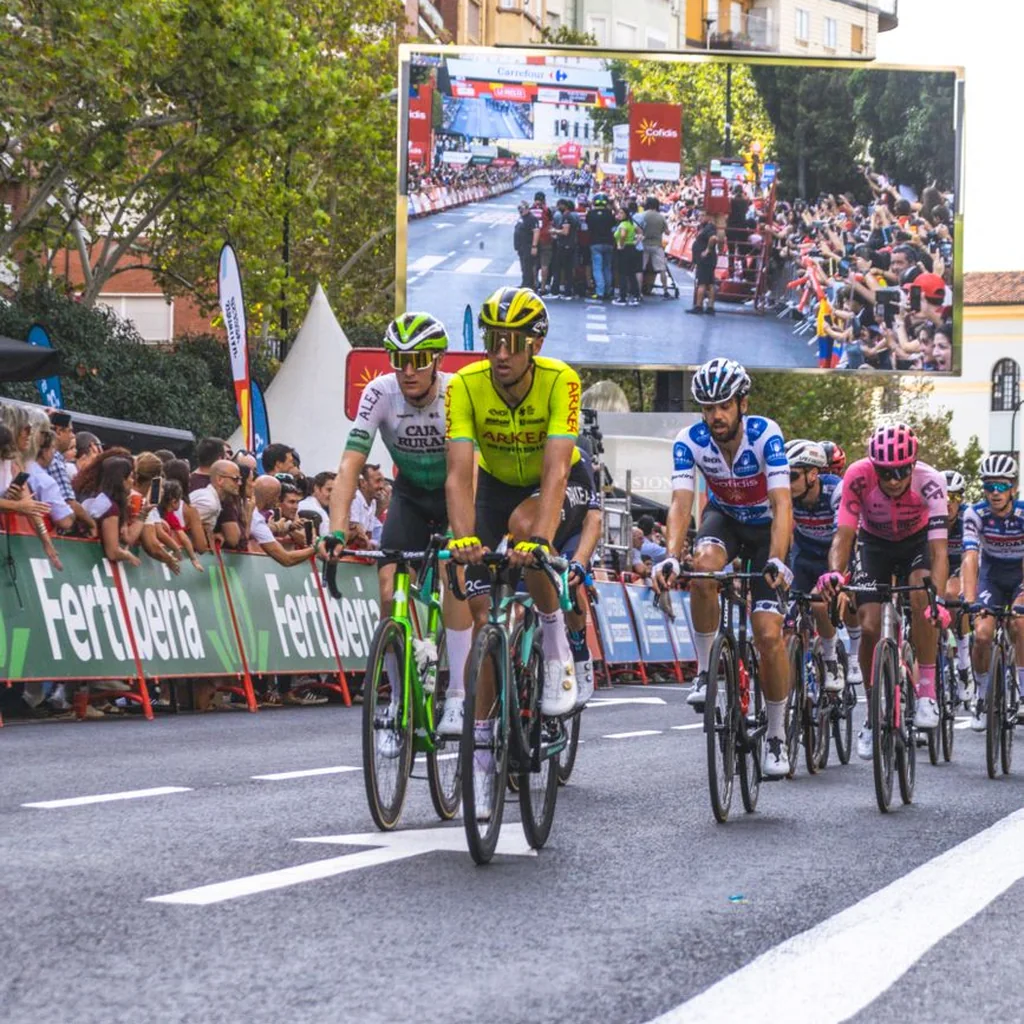
A cyclist in a breakaway tries to get his teammates to share the effort as the peloton closes in.
Three short parts. Read each part in Spanish first; tap “Show English” under a paragraph when you need the translation.


Part 1
El grupo de ciclistas llevaba casi una hora escapado del pelotón. Al principio, todos habían colaborado, pero ahora Marcos tiraba del grupo mientras los demás se mantenían detrás, protegidos del viento.
Show EnglishHide English
The group of cyclists had been away from the peloton for almost an hour. At first, everyone had taken turns at the front, but now Marcos was leading the group while the others stayed behind him, sheltered from the wind.
Cada vez que aflojaba un poco, uno de sus compañeros le gritaba:
Show EnglishHide English
Whenever he eased off a little, one of his teammates shouted at him:
—¡Vamos, Marcos! ¡Hay que mantener la distancia!
Show EnglishHide English
“Come on, Marcos! We have to keep the gap!”
Marcos apretó los dientes y siguió pedaleando. Sentía las piernas pesadas y la espalda empapada de sudor. Al mirar de reojo, vio que los demás ni siquiera intentaban ponerse al frente. Uno bebía agua tranquilamente y otro parecía estar guardando fuerzas para el final.
Show EnglishHide English
Marcos gritted his teeth and kept pedaling. His legs felt heavy, and his back was soaked with sweat. Glancing sideways, he saw that the others were not even trying to move to the front. One was drinking water calmly, and another seemed to be saving his strength for the finish.
En la siguiente subida, Marcos dejó de pedalear con tanta fuerza. El grupo perdió velocidad y el pelotón empezó a acercarse.
Show EnglishHide English
On the next climb, Marcos stopped pedaling so hard. The group slowed down, and the peloton began to close in.
—¿Qué haces? —protestó uno de ellos—. ¡Nos van a alcanzar!
Show EnglishHide English
“What are you doing?” one of them complained. “They’re going to catch us!”
Marcos respiró hondo y se apartó unos centímetros de la rueda del ciclista que iba delante. Por primera vez en mucho tiempo, los demás quedaron expuestos al viento.
Show EnglishHide English
Marcos took a deep breath and moved a few inches away from the wheel of the cyclist in front of him. For the first time in a long while, the others were exposed to the wind.
—Si quieren seguir escapados —dijo—, ahora les toca trabajar.
Show EnglishHide English
“If you want to stay in the breakaway,” he said, “it’s your turn to work now.”
Entonces uno de los ciclistas aceleró y se colocó a su lado, mientras Marcos decidía si volver a ponerse al frente.
Show EnglishHide English
Then one of the cyclists sped up and came alongside him, while Marcos decided whether to move back to the front.
Part 2Relevo en la escapada(A Turn at the Front)
El ciclista que se había puesto a su lado mantuvo el ritmo durante unos segundos, pero enseguida empezó a respirar con dificultad.
Show EnglishHide English
The cyclist who had come alongside him kept up the pace for a few seconds, but soon began to breathe heavily.
—Vale, haré mi parte —dijo—, pero no puedo tirar durante mucho tiempo.
Show EnglishHide English
“All right, I’ll do my part,” he said, “but I can’t lead for very long.”
Marcos se colocó detrás de él y notó de inmediato la diferencia. El viento ya no le golpeaba en la cara y sus piernas recuperaron algo de fuerza. Sin embargo, los otros dos siguieron pegados a sus ruedas, como si nada hubiera cambiado.
Show EnglishHide English
Marcos moved in behind him and immediately noticed the difference. The wind no longer hit him in the face, and his legs regained some strength. However, the other two stayed right on their wheels, as if nothing had changed.
Al cabo de apenas un minuto, el ciclista que iba delante levantó la mano.
Show EnglishHide English
After barely a minute, the cyclist at the front raised his hand.
—Ahora te toca a ti.
Show EnglishHide English
“Your turn now.”
Marcos lo miró sorprendido.
Show EnglishHide English
Marcos looked at him in surprise.
—¿Y los demás?
Show EnglishHide English
“And the others?”
Nadie respondió. Uno bajó la cabeza y fingió concentrarse en la carretera; el otro miró hacia atrás. El pelotón estaba cada vez más cerca, aunque todavía no se distinguían las caras de los corredores.
Show EnglishHide English
No one answered. One lowered his head and pretended to concentrate on the road; the other looked back. The peloton was getting closer, although they still could not make out the riders’ faces.
Marcos sabía que podían seguir escapados si todos colaboraban, pero también entendía que no podía volver a hacer todo el trabajo. Entonces propuso algo sencillo:
Show EnglishHide English
Marcos knew they could stay in the breakaway if everyone worked together, but he also understood that he could not do all the work again. So he suggested something simple:
—Nos turnamos de verdad o dejamos que nos alcancen. ¿Qué prefieren?
Show EnglishHide English
“We really take turns, or we let them catch us. Which do you prefer?”
Part 3La escapada en equipo(The Breakaway as a Team)
Durante unos segundos solo se oyó el ruido de las cadenas. Al final, el ciclista que había hablado primero asintió.
Show EnglishHide English
For a few seconds, the only sound was the rattling of the chains. At last, the cyclist who had spoken first nodded.
—De acuerdo. Veinte segundos cada uno. Sin excusas.
Show EnglishHide English
“All right. Twenty seconds each. No excuses.”
Se pusieron de acuerdo rápidamente y empezaron a turnarse. Marcos volvió a colocarse al frente, pero esta vez solo mantuvo el ritmo durante veinte segundos. Luego levantó el codo y se apartó.
Show EnglishHide English
They quickly agreed and began taking turns. Marcos moved to the front again, but this time he kept up the pace for only twenty seconds. Then he raised his elbow and moved aside.
El siguiente ocupó su lugar sin protestar y, después, le tocó a uno de los que hasta entonces no habían colaborado.
Show EnglishHide English
The next cyclist took his place without complaining, and after that it was the turn of one of those who had not helped until then.
El cambio no fue perfecto. Uno hizo un turno demasiado corto y otro perdió unos metros en una curva, pero todos entendieron que ya no podían esconderse detrás de los demás. Poco a poco, recuperaron un ritmo constante.
Show EnglishHide English
The changeover was not perfect. One rider’s turn was too short, and another lost a few meters on a bend, but everyone understood that they could no longer hide behind the others. Little by little, they found a steady pace again.
El pelotón dejó de acercarse y la distancia volvió a aumentar. Cuando faltaban dos kilómetros, Marcos notó que todavía tenía fuerzas.
Show EnglishHide English
The peloton stopped closing in, and the gap began to grow again. With two kilometers to go, Marcos realized he still had strength left.
No sabía quién ganaría, pero ya no le importaba cargar solo con la escapada. Al cruzar la meta, los cuatro llegaron por delante del pelotón. Marcos sonrió: habían mantenido la escapada entre todos.
Show EnglishHide English
He did not know who would win, but he no longer minded carrying the breakaway alone. All four crossed the finish line ahead of the peloton. Marcos smiled: together, they had kept the breakaway going.
Practise this Spanish story
Vocabulary in context
Important words and phrases
tirar del grupo
verb phraseto lead the group / do the work at the front
Marcos tiraba del grupo mientras los demás se mantenían detrás.
Marcos was leading the group while the others stayed behind.
mantener la distancia
verb phraseto keep the gap
¡Hay que mantener la distancia!
We have to keep the gap!
apretar los dientes
verb phraseto grit one's teeth and push through
Marcos apretó los dientes y siguió pedaleando.
Marcos gritted his teeth and kept pedaling.
de reojo
adverbial phraseout of the corner of one's eye
Al mirar de reojo, vio que los demás ni siquiera intentaban ponerse al frente.
Out of the corner of his eye, he saw that the others were not even trying to move to the front.
guardar fuerzas
verb phraseto save energy
otro parecía estar guardando fuerzas para el final.
another seemed to be saving energy for the finish.
se apartó
verb phrasemoved aside
Marcos respiró hondo y se apartó unos centímetros de la rueda del ciclista que iba delante.
Marcos took a deep breath and moved a few centimeters away from the wheel of the rider in front.
ponerse de acuerdo
verb phraseto reach an agreement
Se pusieron de acuerdo rápidamente y empezaron a turnarse.
They quickly reached an agreement and started taking turns.
sin excusas
expressionno excuses
Veinte segundos cada uno. Sin excusas.
Twenty seconds each. No excuses.
ritmo constante
noun phrasesteady pace
Poco a poco, recuperaron un ritmo constante.
Little by little, they recovered a steady pace.
cargar solo con
verb phraseto shoulder alone
ya no le importaba cargar solo con la escapada.
he no longer cared about shouldering the breakaway alone.
Check your understanding
Comprehension questions
Choose an answer, check it, then move to the next question.
Question 1 of 3
- Question 1: current not answered
- Question 2: not answered
- Question 3: not answered
Notice the language
Language notes
le toca a + persona
This pattern means that it is someone's turn or responsibility. Use an indirect object pronoun (me, te, le, nos, os, les) plus tocar, often followed by an infinitive. It is useful in sports, games, and everyday tasks when you want to say who must act next. Example: "Ahora le toca a Ana tirar del grupo."
Ahora le toca a Ana tirar del grupo.
Now it's Ana's turn to lead the group.
More Spanish stories to read next

Marquitos, mi rey
Marquitos, My King
When Lucía’s phone turns Marcos’s name into an embarrassing nickname, her attempt to invite him to study becomes awkward.
La tarjeta de embarque equivocada
The Wrong Boarding Pass
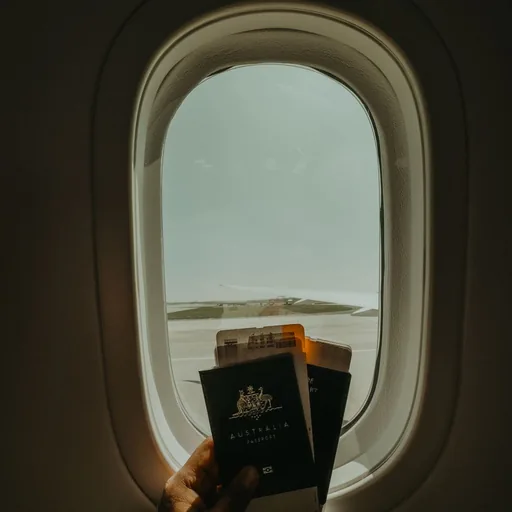
Mid-flight, Clara discovers that the boarding pass in her hand belongs to someone else and tries to find its owner.

El regalo perfecto
The Perfect Gift
Clara gives her sister a vintage camera, but struggles to let go of something she wants for herself.
La mensajera inesperada
The Unexpected Messenger
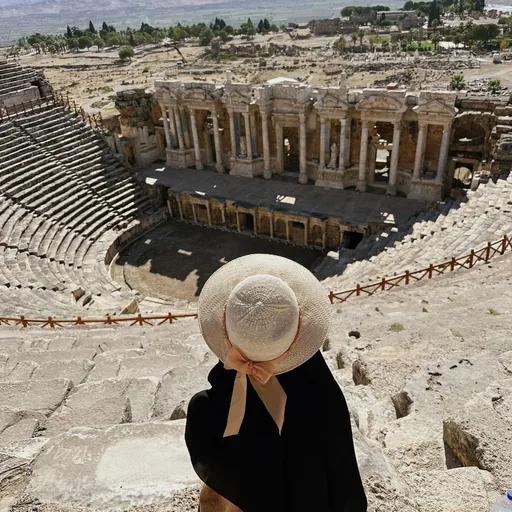
While exploring the Teatro Real, Clara accidentally steps onto a stage where actors and musicians are rehearsing a scene.