
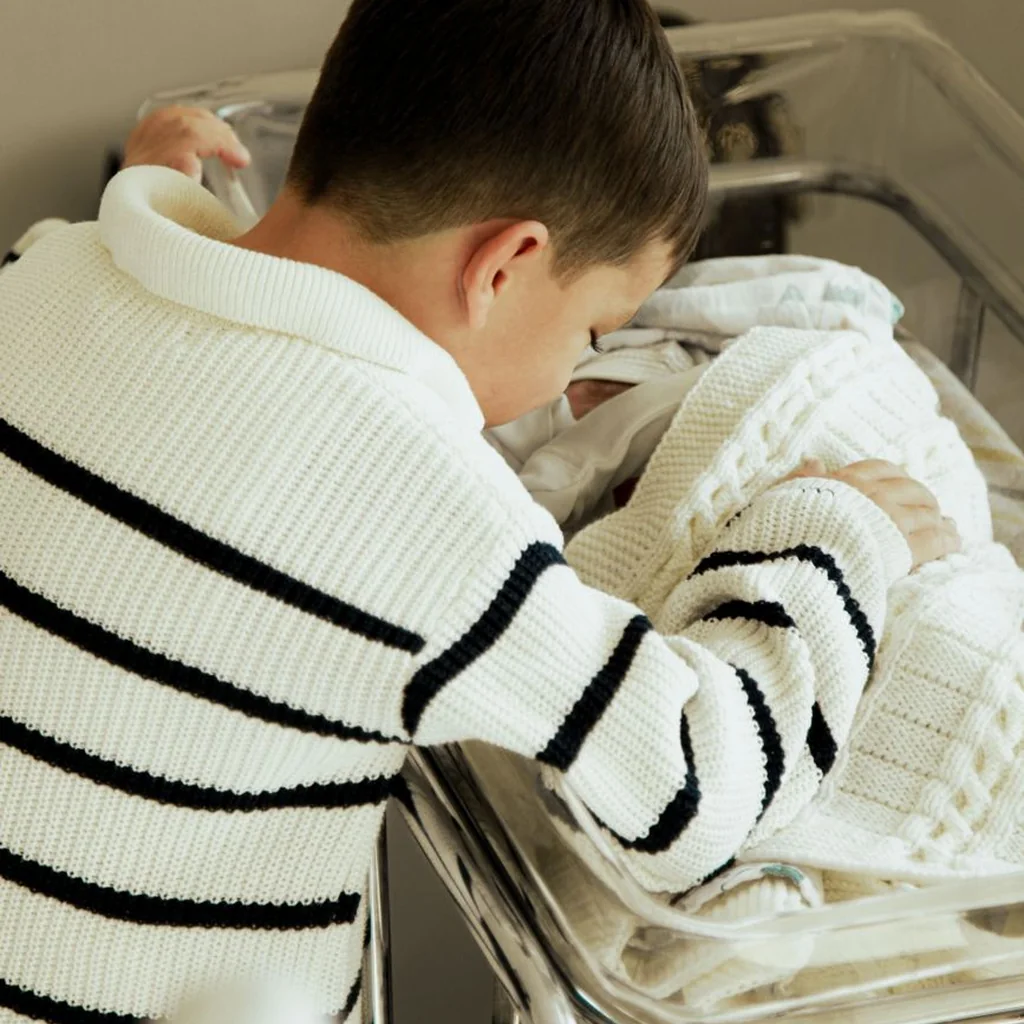
Photo: Dilara Doğar on Pexels
La noticia del hermanito
The News About the New Baby
Lucía learns that a new baby is on the way and wonders how it will change her place in the family.
Three short parts. Read each part in Spanish first; tap “Show English” under a paragraph when you need the translation.


Part 1
Cuando Lucía volvió del colegio, encontró a sus padres sentados en el sofá. Su madre le pidió que se acercara y le dio la noticia: iba a tener un hermanito o una hermanita.
Show EnglishHide English
When Lucía came home from school, she found her parents sitting on the sofa. Her mother asked her to come closer and told her the news: she was going to have a little brother or sister.
Lucía abrió mucho los ojos. Durante unos segundos, no dijo nada. Siempre había querido tener a alguien con quien jugar, pero también le gustaba ser hija única. En su habitación tenía todos sus libros, sus muñecas y un pequeño escritorio solo para ella.
Show EnglishHide English
Lucía’s eyes opened wide. For a few seconds, she said nothing. She had always wanted someone to play with, but she also liked being an only child. In her room, she had all her books, her dolls, and a small desk all to herself.
—¿Estás contenta? —preguntó su padre.
Show EnglishHide English
“Are you happy?” her father asked.
—No lo sé —respondió Lucía—. Creo que sí… pero también tengo un poco de miedo.
Show EnglishHide English
“I don’t know,” Lucía replied. “I think so… but I’m also a little scared.”
Su madre le explicó que el bebé todavía tardaría varios meses en nacer. Podrían preparar juntos una habitación y elegir algunas cosas para él. Lucía imaginó a un bebé llorando por la noche y acaparando toda la atención de sus padres. Después pensó en enseñarle sus cuentos y ayudarlo a caminar.
Show EnglishHide English
Her mother explained that it would still be several months before the baby was born. They could get a room ready together and choose some things for the baby. Lucía imagined a baby crying at night and taking all her parents’ attention. Then she thought about showing the baby her stories and helping the baby learn to walk.
—¿Y si no me gusta ser hermana mayor? —preguntó.
Show EnglishHide English
“What if I don’t like being a big sister?” she asked.
Su padre sonrió y le ofreció la mano. Lucía la miró durante un momento, sin saber todavía qué contestar.
Show EnglishHide English
Her father smiled and held out his hand. Lucía looked at it for a moment, still unsure what to say.
Part 2La llegada del bebé(The Baby’s Arrival)
Lucía tomó la mano de su padre y se sentó junto a él.
Show EnglishHide English
Lucía took her father’s hand and sat down beside him.
—Creo que puedo intentarlo —dijo—. Tal vez me guste ser hermana mayor, pero necesito tiempo para acostumbrarme.
Show EnglishHide English
“I think I can try,” she said. “Maybe I’ll like being a big sister, but I need time to get used to it.”
Su madre la abrazó con cariño. Después, los tres hablaron de cómo sería la vida con el bebé. Lucía preguntó si todavía podrían leer juntos por la noche y si sus padres tendrían tiempo para ayudarla con los deberes.
Show EnglishHide English
Her mother hugged her warmly. Then the three of them talked about what life with the baby would be like. Lucía asked if they would still be able to read together at night and if her parents would have time to help her with her homework.
—Claro que sí —respondió su madre—. El bebé será importante, pero tú también lo eres.
Show EnglishHide English
“Of course,” her mother replied. “The baby will be important, but so are you.”
Lucía se sintió un poco más tranquila. Entonces su padre le enseñó un dibujo de la casa. Había marcado una habitación pequeña que estaba llena de cajas.
Show EnglishHide English
Lucía felt a little calmer. Then her father showed her a drawing of the house. He had marked a small room that was full of boxes.
—Podríamos preparar aquí el cuarto del bebé —explicó.
Show EnglishHide English
“We could get the baby’s room ready here,” he explained.
Lucía miró el dibujo y luego su propia habitación. La habitación pequeña estaba al lado de la suya, pero tendría que guardar algunas cosas en otro lugar.
Show EnglishHide English
Lucía looked at the drawing and then at her own room. The small room was next to hers, but she would have to store some of her things somewhere else.
—¿Y mis juguetes? —preguntó—. ¿También tendremos que cambiar mi habitación?
Show EnglishHide English
“What about my toys?” she asked. “Will we have to change my room too?”
Part 3La habitación de Lucía(Lucía’s Room)
—No tienes que cambiar tu habitación —dijo su madre—. Tus juguetes seguirán aquí. Solo tendremos que ordenar un poco la habitación pequeña.
Show EnglishHide English
“You don’t have to change your room,” her mother said. “Your toys will stay here. We’ll just have to tidy up the small room a little.”
Lucía miró las cajas. Algunas contenían ropa que ya no usaba y otras guardaban libros viejos. Con ayuda de sus padres, empezó a organizarlo todo. Puso sus juguetes favoritos en una estantería de su habitación y dejó algunos cuentos para el bebé.
Show EnglishHide English
Lucía looked at the boxes. Some had clothes she no longer wore, and others held old books. With her parents’ help, she started to organize everything. She put her favorite toys on a shelf in her room and set aside some stories for the baby.
—Estos cuentos son para cuando sea un poco mayor —explicó—. Yo se los leeré.
Show EnglishHide English
“These stories are for when the baby is a little older,” she explained. “I’ll read them to the baby.”
Su padre sonrió y colocó una caja en el armario. Después, los tres pintaron una pared del cuarto del bebé de un color amarillo claro. Lucía eligió una pequeña lámpara con forma de estrella.
Show EnglishHide English
Her father smiled and put a box in the closet. Then the three of them painted one wall of the baby’s room a light yellow. Lucía chose a small, star-shaped lamp.
Al terminar, Lucía estaba cansada, pero contenta. Su habitación seguía siendo su lugar especial, y el bebé tendría su propio espacio al lado.
Show EnglishHide English
When they finished, Lucía was tired but happy. Her room was still her special place, and the baby would have its own space next door.
—Todavía tengo un poco de miedo —dijo—, pero también tengo ganas de conocerlo.
Show EnglishHide English
“I’m still a little scared,” she said, “but I’m also looking forward to meeting the baby.”
Sus padres la abrazaron. Lucía entendió que ser hermana mayor cambiaría algunas cosas, pero que no perdería el cariño ni el tiempo con su familia.
Show EnglishHide English
Her parents hugged her. Lucía understood that being a big sister would change some things, but she would not lose her family’s love or the time she spent with them.
Practise this Spanish story
Vocabulary in context
Important words and phrases
dar la noticia
phraseto break the news
Mis padres me dieron la noticia en la cocina.
My parents broke the news to me in the kitchen.
hija única
noun phraseonly child
Antes era hija única.
Before, I was an only child.
acostumbrarse
verbto get used to
Necesito tiempo para acostumbrarme al cambio.
I need time to get used to the change.
preparar juntos
phraseto prepare together
Podemos preparar juntos la habitación del bebé.
We can prepare the baby's room together.
acaparar la atención
phraseto get all the attention
En la fiesta, el anuncio acaparó toda la atención.
At the party, the announcement got all the attention.
ser hermana mayor
phraseto be an older sister
Quiere ser hermana mayor y ayudar al bebé.
She wants to be an older sister and help the baby.
leer juntos por la noche
phraseto read together at night
A veces leemos juntos por la noche.
Sometimes we read together at night.
ordenar un poco
phraseto tidy up a little
Vamos a ordenar un poco antes de cenar.
Let's tidy up a little before dinner.
ayudar con los deberes
phraseto help with homework
Mi hermano me ayuda con los deberes por la tarde.
My brother helps me with homework in the afternoon.
tener ganas de
phraseto be eager to; to feel like
Tengo ganas de conocer a mi nuevo vecino.
I'm eager to meet my new neighbor.
Check your understanding
Comprehension questions
Choose an answer, check it, then move to the next question.
Question 1 of 3
- Question 1: current not answered
- Question 2: not answered
- Question 3: not answered
Notice the language
Language notes
Tener ganas de + infinitivo
This pattern expresses desire or enthusiasm: 'tener ganas de' + infinitive. It is very common in everyday Spanish and is useful for saying what you feel like doing or are looking forward to. Example: 'Tengo ganas de leer un rato antes de dormir.'
Tengo ganas de leer un rato antes de dormir.
I'm eager to read for a while before going to sleep.
More Spanish stories to read next
La cena cancelada
The Canceled Dinner
Daniel spends the day cooking a meal for friends, but one by one they message to say they cannot come.
El escritorio de pie
The Standing Desk
Laura tries a standing desk for the first time and finds it much harder than she expected.
La cometa y el viento
The Kite and the Wind
Daniel tries to fly his new kite on a windless afternoon and keeps looking for a way to get it into the air.

Lo que no pudo decir
What She Could Not Say
Clara plans to confess her feelings to her friend Marcos, but he tells her he has met someone he likes.