
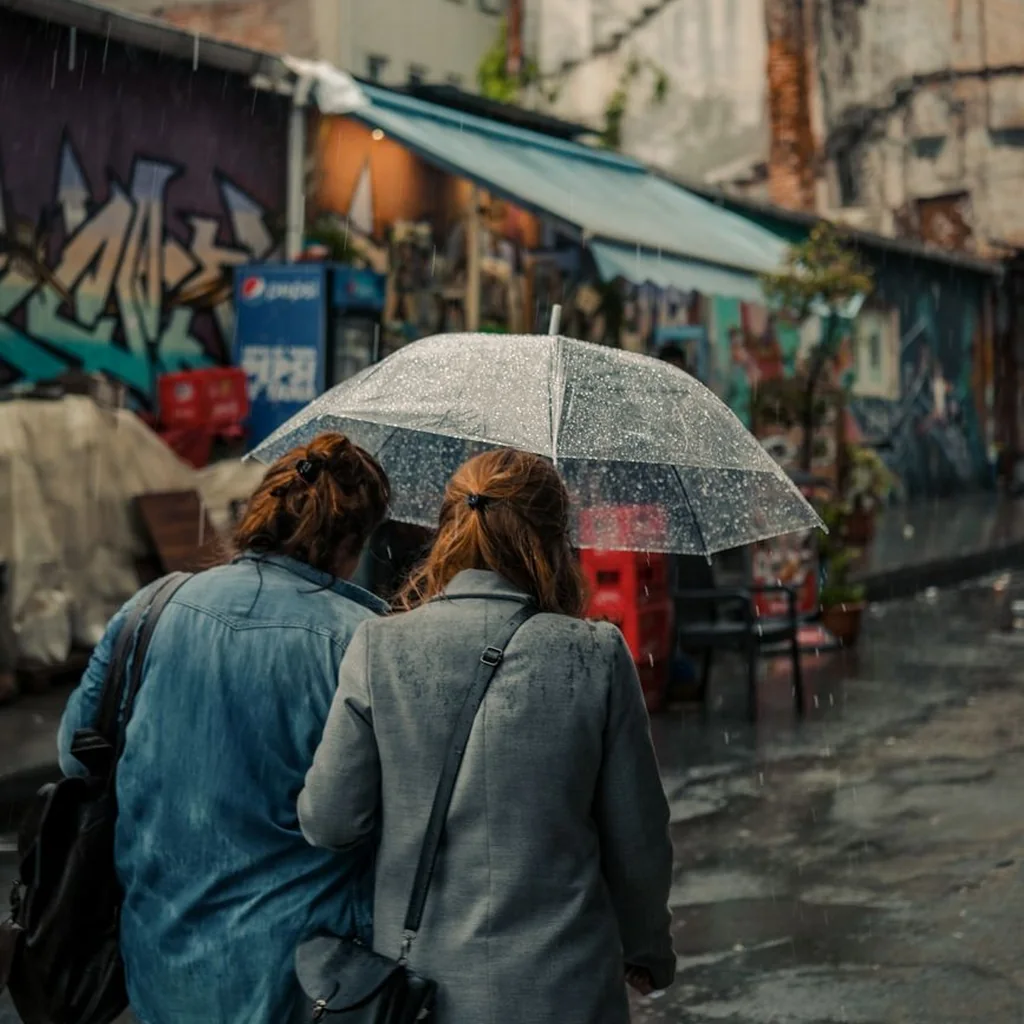
Photo: Zeynep Sude Emek on Pexels
El paraguas compartido
The Shared Umbrella
Two strangers find the last umbrella in a shop and decide how to share it as they travel in different directions.
Three short parts. Read each part in Spanish first; tap “Show English” under a paragraph when you need the translation.


Part 1
La lluvia caía con fuerza y muchas personas entraban en la pequeña tienda de la estación. Marta dejó su bolso en el suelo y fue hacia la sección de paraguas. Solo quedaba uno.
Show EnglishHide English
The rain was falling heavily, and many people were going into the small station shop. Marta put her bag on the floor and went to the umbrella section. There was only one left.
Al mismo tiempo, un hombre alto, con una chaqueta azul, alargó la mano y tocó el mismo paraguas. Los dos se miraron, un poco sorprendidos.
Show EnglishHide English
At the same time, a tall man in a blue jacket reached out and touched the same umbrella. They looked at each other, a little surprised.
—Perdón —dijo Marta—. Lo necesito porque voy a ir caminando a casa.
Show EnglishHide English
“Sorry,” Marta said. “I need it because I’m walking home.”
—Yo también —respondió el hombre—. Mi hija me espera en la escuela y no tengo coche.
Show EnglishHide English
“Me too,” the man replied. “My daughter is waiting for me at school, and I don’t have a car.”
Marta miró el paraguas. Era grande y negro, pero no parecía muy resistente. Afuera, la lluvia golpeaba los cristales y el viento movía los árboles.
Show EnglishHide English
Marta looked at the umbrella. It was large and black, but it did not look very strong. Outside, the rain beat against the windows, and the wind moved the trees.
—Podemos comprarlo juntos —dijo el hombre—. Caminamos juntos hasta la escuela y luego cada uno sigue su camino.
Show EnglishHide English
“We can buy it together,” the man said. “We can walk together to the school, and then each of us can go our own way.”
Marta pensó en la distancia hasta su casa. Después miró otra vez al hombre, que todavía sujetaba el paraguas con una mano. Finalmente, abrió la boca para contestar.
Show EnglishHide English
Marta thought about the distance to her home. Then she looked at the man again. He was still holding the umbrella with one hand. Finally, she opened her mouth to answer.
Part 2
—Sí, podemos comprarlo juntos —contestó Marta—. Pero primero tenemos que preguntar el precio.
Show EnglishHide English
“Yes, we can buy it together,” Marta answered. “But first we have to ask the price.”
Fueron al mostrador. La mujer de la tienda les dijo que costaba quince euros. Marta y el hombre pagaron la mitad cada uno. Después, él abrió el paraguas cerca de la puerta. Era bastante grande, pero una de las varillas estaba un poco doblada.
Show EnglishHide English
They went to the counter. The shopkeeper told them it cost fifteen euros. Marta and the man each paid half. Then he opened the umbrella near the door. It was quite large, but one of its ribs was a little bent.
—Espero que aguante hasta la escuela —dijo él.
Show EnglishHide English
“I hope it holds up until we get to the school,” he said.
—Y después, hasta mi casa —añadió Marta, sonriendo.
Show EnglishHide English
“And then until I get home,” Marta added with a smile.
Salieron de la tienda. Al principio, caminaron muy juntos porque el paraguas no cubría bien a las dos personas. Marta sujetaba el bolso con una mano y el paraguas con la otra. El hombre miraba la calle y buscaba la escuela entre la lluvia.
Show EnglishHide English
They left the shop. At first, they walked very close together because the umbrella did not cover both of them well. Marta held her bag in one hand and the umbrella in the other. The man looked down the street, searching for the school through the rain.
De pronto, llegaron a una esquina. Él señaló hacia la izquierda, pero Marta necesitaba ir hacia la derecha.
Show EnglishHide English
Suddenly, they reached a corner. He pointed to the left, but Marta needed to go to the right.
—Mi casa está por allí —dijo ella.
Show EnglishHide English
“My home is over there,” she said.
En ese momento, una fuerte ráfaga de viento movió el paraguas. Había llegado la hora de decidir quién se quedaría con él.
Show EnglishHide English
At that moment, a strong gust of wind moved the umbrella. It was time to decide who would keep it.
Part 3Un paraguas compartido(A Shared Umbrella)
En ese momento, el hombre miró el paraguas y después miró hacia la escuela.
Show EnglishHide English
At that moment, the man looked at the umbrella and then toward the school.
—Mi hija me está esperando —dijo—. Creo que tú lo necesitas más para llegar a casa.
Show EnglishHide English
“My daughter is waiting for me,” he said. “I think you need it more to get home.”
Marta señaló la calle de la derecha.
Show EnglishHide English
Marta pointed down the street to the right.
—No te preocupes. La parada de autobús está muy cerca y tiene techo. Puedo esperar allí.
Show EnglishHide English
“Don’t worry. The bus stop is very close, and it has a roof. I can wait there.”
El hombre dudó un segundo, pero aceptó. Le devolvió a Marta la mitad del dinero y tomó el paraguas.
Show EnglishHide English
The man hesitated for a second, but agreed. He gave Marta back her half of the money and took the umbrella.
—Gracias. Ha sido un placer conocerte.
Show EnglishHide English
“Thank you. It was a pleasure meeting you.”
—Igualmente. Espero que tu hija no haya esperado mucho.
Show EnglishHide English
“Likewise. I hope your daughter hasn’t been waiting long.”
El hombre caminó hacia la escuela y Marta fue rápidamente hacia la parada. La lluvia seguía cayendo, pero ella llegó sin mojarse mucho. Poco después, llegó el autobús.
Show EnglishHide English
The man walked toward the school, and Marta hurried to the bus stop. The rain was still falling, but she got there without getting very wet. A little later, the bus arrived.
Antes de subir, Marta miró hacia la esquina. El hombre ya no estaba allí, pero el paraguas negro se veía entre la gente. Marta sonrió y subió al autobús. Él había llegado a tiempo a la escuela, y ella también había encontrado una forma de volver a casa. A veces, compartir algo pequeño podía hacer que el día fuera un poco mejor.
Show EnglishHide English
Before getting on, Marta looked toward the corner. The man was no longer there, but she could see the black umbrella among the people. Marta smiled and got on the bus. He had reached the school on time, and she had also found a way to get home. Sometimes, sharing something small could make the day a little better.
Practise this Spanish story
Vocabulary in context
Important words and phrases
la lluvia
noun phrasethe rain
La lluvia cae con fuerza.
The rain is falling hard.
paraguas
nounumbrella
Necesito un paraguas.
I need an umbrella.
tienda
nounshop
Entramos en la tienda.
We went into the shop.
estación
nounstation
La estación está cerca.
The station is nearby.
precio
nounprice
¿Cuál es el precio?
What is the price?
mitad
nounhalf
Pagamos la mitad cada uno.
We each paid half.
caminar
verbto walk
Me gusta caminar por el parque.
I like to walk in the park.
parada de autobús
noun phrasebus stop
La parada de autobús está cerca.
The bus stop is nearby.
esperar
verbto wait
Tengo que esperar un momento.
I have to wait a moment.
mojarse
verbto get wet
No quiero mojarme.
I don't want to get wet.
compartir
verbto share
Es bueno compartir con los demás.
It is good to share with others.
Check your understanding
Comprehension questions
Choose an answer, check it, then move to the next question.
Question 1 of 3
- Question 1: current not answered
- Question 2: not answered
- Question 3: not answered
Notice the language
Language notes
tener que + infinitivo
This pattern means 'have to' or 'must'. Conjugate tener and add que + an infinitive: 'tengo que', 'tienes que', 'tenemos que'. It is used for obligation or necessity in everyday situations. In the story, 'tenemos que preguntar el precio' shows a shared need before buying something. You can reuse it for many simple actions: 'Tengo que ir a casa.'
Tenemos que preguntar el precio.
We have to ask the price.
More Spanish stories to read next
Leo y el cuento del oso
Leo and the Bear Story
At bedtime, Leo and his mother take turns finishing the lines of a story about a little bear.
El café de Pablo
Pablo’s Coffee
Pablo finds expired milk and a cup of coffee waiting for him, then faces a series of small decisions before work.
La alarma de Clara
Clara’s Alarm
After a sleepless night, Clara finally falls asleep just as her alarm starts ringing before an important online meeting.
La ropa y las semillas
The Clothes and the Seeds
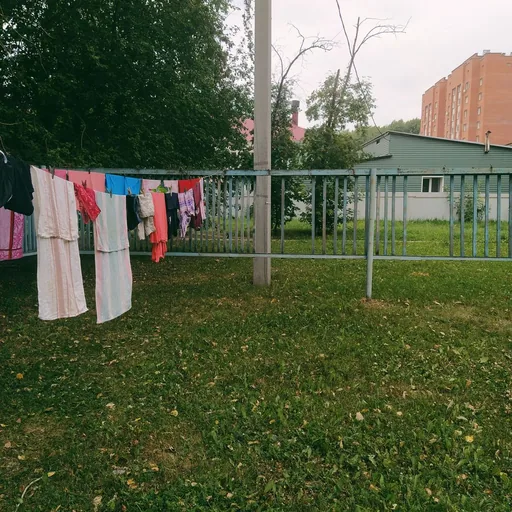
Marta finds tiny seeds all over her washing and must decide how to keep it clean.