
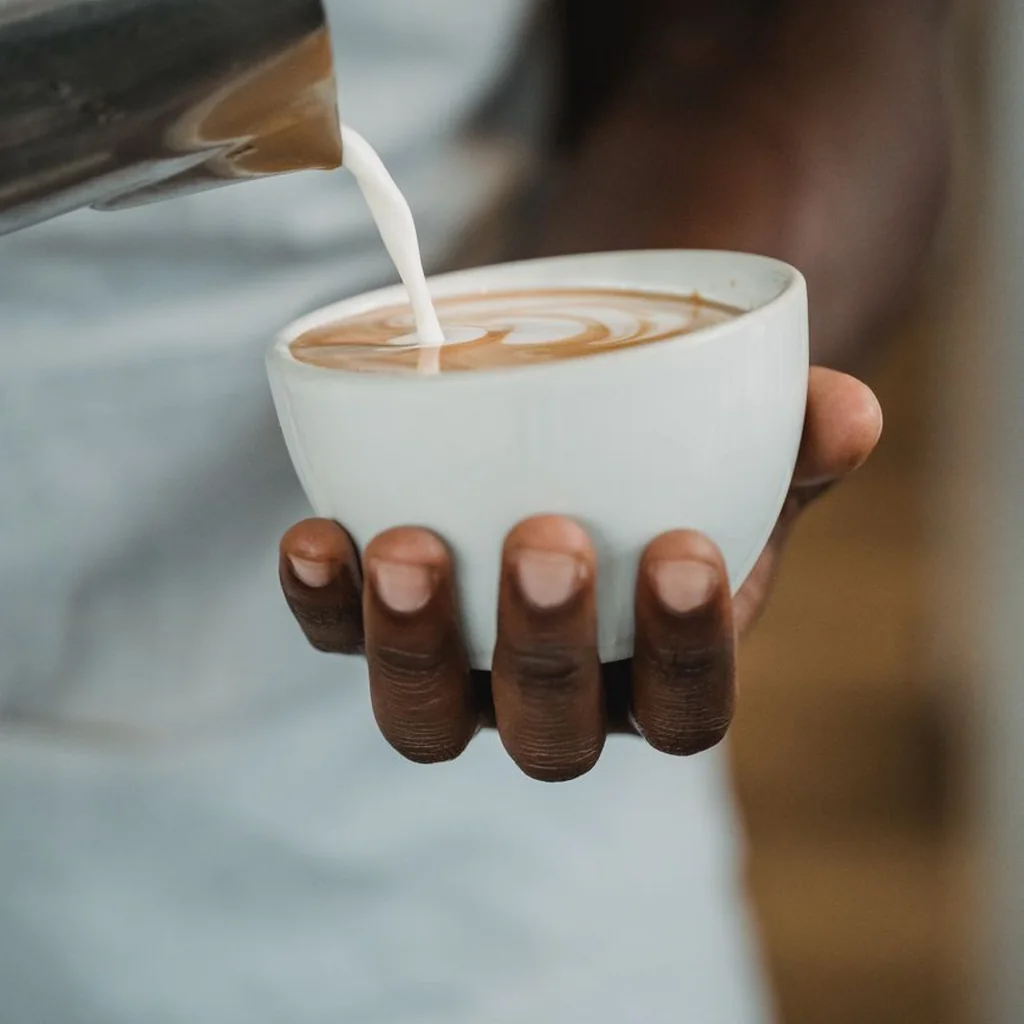
El café de Pablo
Pablo’s Coffee
Pablo finds expired milk and a cup of coffee waiting for him, then faces a series of small decisions before work.
Three short parts. Read each part in Spanish first; tap “Show English” under a paragraph when you need the translation.


Part 1
Esta mañana, Pablo entró en la cocina medio dormido. Encendió la luz y vio una taza de café ya servido sobre la mesa.
Show EnglishHide English
This morning, Pablo walked into the kitchen half asleep. He turned on the light and saw a cup of coffee already poured on the table.
Abrió la nevera para buscar leche. Cogió el cartón y miró la fecha: la leche había caducado esa misma mañana. Pablo la olió con cuidado, pero no estaba seguro de si todavía podía tomarla.
Show EnglishHide English
He opened the fridge to look for milk. He took the carton and checked the date: the milk had expired that very morning. Pablo smelled it carefully, but he wasn’t sure if it was still safe to drink.
En el armario no había más leche. Miró el café, que empezaba a enfriarse, y después miró el reloj. Llegaba tarde al trabajo.
Show EnglishHide English
There was no more milk in the cupboard. He looked at the coffee, which was starting to get cold, and then at the clock. He was late for work.
Podía tomar el café solo, pero no le gustaba nada. También podía bajar a la tienda de la esquina para comprar leche, aunque eso significaba llegar aún más tarde.
Show EnglishHide English
He could drink the coffee black, but he didn’t like it at all. He could also go down to the corner shop to buy milk, but that meant arriving even later.
Pablo cogió las llaves y se puso la chaqueta. Luego volvió a mirar la taza. Finalmente, tomó el cartón de leche y se quedó unos segundos junto a la puerta, pensando qué hacer.
Show EnglishHide English
Pablo picked up his keys and put on his jacket. Then he looked at the cup again. Finally, he took the milk carton and stood by the door for a few seconds, thinking about what to do.
Part 2
Pablo decidió no arriesgarse. Tiró la leche a la basura y salió de casa con las llaves y la chaqueta. Sin embargo, después de bajar las escaleras, se tocó el bolsillo y se dio cuenta de que no tenía la cartera.
Show EnglishHide English
Pablo decided not to take the risk. He threw the milk in the bin and left home with his keys and jacket. However, after going down the stairs, he touched his pocket and realized he didn’t have his wallet.
Volvió rápidamente a la cocina. La cartera estaba junto a la taza, debajo de un periódico. Pablo la cogió y salió otra vez, un poco más nervioso.
Show EnglishHide English
He quickly went back to the kitchen. The wallet was next to the cup, under a newspaper. Pablo picked it up and went out again, feeling a little more nervous.
En la tienda compró una botella pequeña de leche. La dependienta le sonrió y le dijo que todavía estaba a tiempo de llegar al trabajo. Pablo no estaba tan seguro, pero le dio las gracias.
Show EnglishHide English
At the shop, he bought a small bottle of milk. The shop assistant smiled at him and said he still had time to get to work. Pablo wasn’t so sure, but he thanked her.
Cuando regresó a casa, echó leche en el café. Lo probó, pero estaba completamente frío. Miró el reloj: ya era casi la hora de salir.
Show EnglishHide English
When he got home, he poured milk into the coffee. He tasted it, but it was completely cold. He looked at the clock: it was almost time to leave.
Podía beberlo así, aunque no le apetecía. También podía calentarlo en el microondas. Pablo puso la taza dentro y cerró la puerta, pero entonces vio que tenía una pequeña grieta.
Show EnglishHide English
He could drink it like that, although he didn’t feel like it. He could also heat it in the microwave. Pablo put the cup inside and closed the door, but then he saw that it had a small crack.
Part 3
Pablo abrió la puerta del microondas y sacó la taza. No quería calentar el café en una taza agrietada. En la cocina encontró otra taza limpia y pasó el café con leche a la nueva taza.
Show EnglishHide English
Pablo opened the microwave door and took out the cup. He didn’t want to heat the coffee in a cracked cup. He found another clean cup in the kitchen and poured the coffee with milk into it.
Luego puso la taza en el microondas y calentó el café durante un minuto. Mientras esperaba, miró el reloj. Ya llegaba tarde al trabajo, pero no quería salir con el estómago vacío.
Show EnglishHide English
Then he put the cup in the microwave and heated the coffee for one minute. While he waited, he looked at the clock. He was already late for work, but he didn’t want to leave on an empty stomach.
Cuando sonó el microondas, Pablo probó el café. Ahora estaba caliente y tenía un sabor bastante bueno. Se sentó un momento y lo bebió despacio. La mañana había empezado mal, pero al final pudo disfrutar de su café.
Show EnglishHide English
When the microwave beeped, Pablo tasted the coffee. It was hot now and tasted quite good. He sat down for a moment and drank it slowly. The morning had started badly, but in the end he was able to enjoy his coffee.
Después lavó la taza agrietada y la dejó aparte para tirarla más tarde. Guardó la botella de leche en la nevera y cogió la cartera y las llaves.
Show EnglishHide English
After that, he washed the cracked cup and put it aside to throw away later. He put the bottle of milk in the fridge and picked up his wallet and keys.
Antes de salir, Pablo miró el reloj una última vez. Llegaría unos minutos tarde, pero ya no estaba nervioso. Dejó la taza vacía en el fregadero, cerró la puerta y bajó las escaleras.
Show EnglishHide English
Before leaving, Pablo looked at the clock one last time. He would be a few minutes late, but he wasn’t nervous anymore. He left the empty cup in the sink, closed the door, and went down the stairs.
Practise this Spanish story
Vocabulary in context
Important words and phrases
encendió la luz
verb phraseturned on the light
Encendí la luz.
I turned on the light.
nevera
nounfridge
Guardó la leche en la nevera.
He put the milk in the fridge.
había caducado
verb phrasehad expired
La leche ha caducado.
The milk has expired.
llegaba tarde
verb phrasewas late
Pablo llegaba tarde al trabajo.
Pablo was late for work.
la cartera
noun phrasethe wallet
No tengo la cartera.
I don't have my wallet.
tienda de la esquina
noun phrasecorner shop
Compré pan en la tienda de la esquina.
I bought bread at the corner shop.
microondas
nounmicrowave
Puse la comida en el microondas.
I put the food in the microwave.
calentar
verbto heat up
Voy a calentar el café.
I'm going to heat up the coffee.
las llaves
noun phrasethe keys
¿Dónde están las llaves?
Where are the keys?
fregadero
nounsink
Deja el plato en el fregadero.
Leave the plate in the sink.
Check your understanding
Comprehension questions
Choose an answer, check it, then move to the next question.
Question 1 of 3
- Question 1: current not answered
- Question 2: not answered
- Question 3: not answered
Notice the language
Language notes
volver a + infinitivo
Use volver a + infinitive to say that someone does something again. In the story, 'Pablo volvió a mirar la taza' means he looked at the cup again. You can reuse this pattern with many verbs, for example: 'Volví a llamar a mi amigo.'
Pablo volvió a mirar la taza.
Pablo looked at the cup again.
More Spanish stories to read next
La alarma de Clara
Clara’s Alarm
After a sleepless night, Clara finally falls asleep just as her alarm starts ringing before an important online meeting.
La ropa y las semillas
The Clothes and the Seeds
Marta finds tiny seeds all over her washing and must decide how to keep it clean.
El mensaje que quedó
The Message That Remained
Daniel sorts through old messages from Marta and pauses before deciding what to do with their last one.
El abrigo azul oscuro
The Dark Blue Coat
On a cold day, María tries on a coat she loves and has to decide whether it fits her budget.