
Photo: Gizem Gökce on Pexels
El arroyo del bosque
The Forest Stream
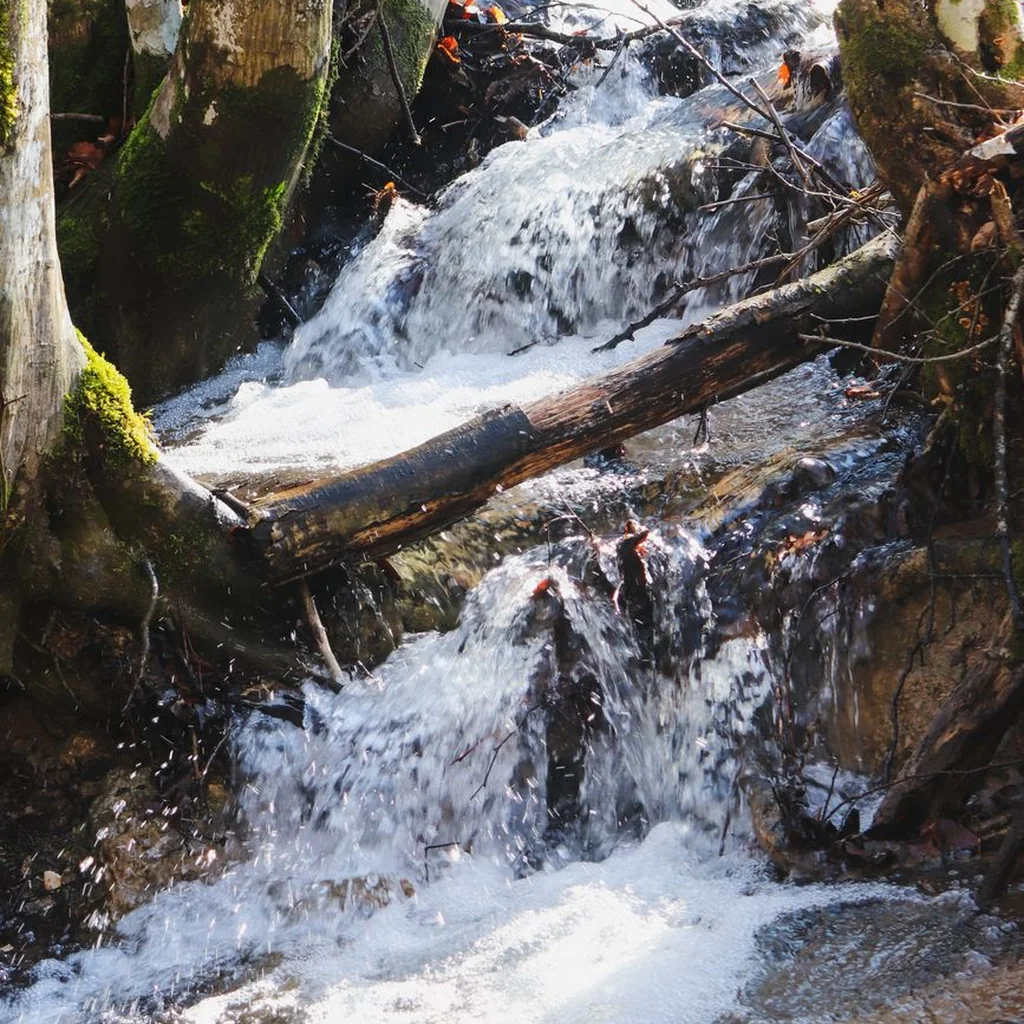
Tomás clears a blocked stream in the woods and follows the water as it finds its way through the forest.
Three short parts. Read each part in Spanish first; tap “Show English” under a paragraph when you need the translation.


Part 1
Tomás camina por el bosque una mañana fría. Cerca de un camino, escucha el sonido del agua, pero el arroyo está casi seco. Muchas ramas, hojas y piedras bloquean el paso.
Show EnglishHide English
Tomás walks through the forest on a cold morning. Near a path, he hears the sound of water, but the stream is almost dry. Many branches, leaves, and stones block the way.
Tomás deja la mochila en el suelo y se arrodilla junto al arroyo. Primero, quita las ramas con las manos. Después, mueve una piedra grande. Le cuesta, pero no se rinde. Sus botas se llenan de barro y tiene las manos frías.
Show EnglishHide English
Tomás puts his backpack on the ground and kneels beside the stream. First, he removes the branches with his hands. Then he moves a large stone. It is hard, but he does not give up. His boots get muddy, and his hands are cold.
Poco a poco, el agua encuentra un pequeño espacio entre las piedras. Tomás quita otra rama y aparta más hojas. De repente, el agua empieza a correr con fuerza. Baja por el arroyo y pasa entre los árboles.
Show EnglishHide English
Little by little, the water finds a small space between the stones. Tomás removes another branch and moves more leaves aside. Suddenly, the water starts to flow strongly. It runs down the stream and passes between the trees.
Tomás se queda quieto y mira el agua. Escucha su sonido y sonríe. El bosque parece más vivo ahora. Luego ve que todavía hay una piedra grande en medio del arroyo. Se limpia las manos en el pantalón y se acerca para moverla.
Show EnglishHide English
Tomás stays still and looks at the water. He listens to its sound and smiles. The forest seems more alive now. Then he sees that there is still a large stone in the middle of the stream. He wipes his hands on his pants and goes over to move it.
Part 2Tomás y la piedra del arroyo(Tomás and the Stream Stone)
Tomás pone las dos manos sobre la piedra grande. Empuja una vez, pero la piedra no se mueve. Toma aire y empuja otra vez. Esta vez, la piedra gira un poco. Tomás la mueve hasta la orilla del arroyo.
Show EnglishHide English
Tomás puts both hands on the large stone. He pushes once, but the stone does not move. He takes a breath and pushes again. This time, the stone turns a little. Tomás moves it to the edge of the stream.
El agua pasa rápido por allí. Salta sobre las piedras pequeñas y brilla bajo el sol. Tomás se sienta un momento. Está cansado, pero contento. Tiene las manos sucias y el pantalón lleno de barro.
Show EnglishHide English
The water passes quickly there. It jumps over the small stones and shines in the sun. Tomás sits down for a moment. He is tired but happy. His hands are dirty, and his pants are covered in mud.
Entonces escucha un sonido diferente. Un poco más abajo, el agua no sigue por el cauce del arroyo. Va hacia un lado, entre las hojas. Tomás se levanta y camina despacio. Allí ve muchas ramas pequeñas y tierra mojada. El agua forma un pequeño charco.
Show EnglishHide English
Then he hears a different sound. A little farther down, the water does not follow the streambed. It goes to one side, between the leaves. Tomás stands up and walks slowly. There he sees many small branches and wet earth. The water forms a small puddle.
Tomás mira el charco y luego mira el arroyo. ¿Debe limpiar también ese lugar? Se agacha para verlo mejor.
Show EnglishHide English
Tomás looks at the puddle and then at the stream. Should he clear that place too? He bends down to see it better.
Part 3Tomás y el arroyo(Tomás and the Stream)
Tomás toca la tierra mojada con los dedos. Está blanda y llena de hojas. Con cuidado, quita las ramas pequeñas y después aparta la tierra con una piedra plana.
Show EnglishHide English
Tomás touches the wet earth with his fingers. It is soft and full of leaves. Carefully, he removes the small branches and then moves the earth aside with a flat stone.
Poco a poco, el agua sale del charco y vuelve al cauce. Primero corre despacio. Luego corre con más fuerza y se une al agua del arroyo. Tomás sonríe al ver que todo está limpio.
Show EnglishHide English
Little by little, the water leaves the puddle and returns to the streambed. At first, it flows slowly. Then it flows more strongly and joins the stream water. Tomás smiles when he sees that everything is clear.
También coloca unas piedras pequeñas en la orilla. Así, el agua sigue su camino y no vuelve hacia el bosque. El sonido del arroyo es claro y alegre.
Show EnglishHide English
He also places some small stones along the edge. This way, the water follows its path and does not flow back toward the forest. The sound of the stream is clear and cheerful.
Tomás se lava las manos en el agua fría. Después recoge su mochila y mira el arroyo una última vez. El agua corre entre los árboles bajo la luz del sol.
Show EnglishHide English
Tomás washes his hands in the cold water. Then he picks up his backpack and looks at the stream one last time. The water flows between the trees in the sunlight.
Está cansado, pero se siente bien. Ha trabajado solo, pero ahora el arroyo puede seguir su curso. Tomás vuelve por el sendero mientras el sonido del agua lo acompaña.
Show EnglishHide English
He is tired, but he feels good. He has worked alone, but now the stream can keep flowing. Tomás walks back along the path while the sound of the water accompanies him.
Practise this Spanish story
Vocabulary in context
Important words and phrases
bosque
nounforest
Tomás camina por el bosque.
Tomás walks through the forest.
arroyo
nounstream
El arroyo está casi seco.
The stream is almost dry.
camino
nounpath
Hay un camino cerca del bosque.
There is a path near the forest.
agua
nounwater
El agua corre con fuerza.
The water runs strongly.
rama
nounbranch
Tomás quita las ramas.
Tomás removes the branches.
hoja
nounleaf
Aparta más hojas del arroyo.
He moves more leaves away from the stream.
piedra
nounstone
Mueve una piedra grande.
He moves a big stone.
mochila
nounbackpack
Deja la mochila en el suelo.
He leaves the backpack on the ground.
barro
nounmud
Sus botas tienen barro.
His boots have mud on them.
orilla
nounbank
La piedra está en la orilla del arroyo.
The stone is on the bank of the stream.
charco
nounpuddle
Hay un charco pequeño en la tierra.
There is a small puddle in the dirt.
Check your understanding
Comprehension questions
Choose an answer, check it, then move to the next question.
Question 1 of 3
- Question 1: current not answered
- Question 2: not answered
- Question 3: not answered
Notice the language
Language notes
se + verbo reflexivo
Spanish often uses se + verb for everyday actions the subject does to themself. In the story, "Tomás se lava las manos" means "Tomás washes his hands." You can reuse this pattern for actions like getting up, sitting down, washing, or getting dressed.
Tomás se lava las manos.
Tomás washes his hands.
More Spanish stories to read next
Muy cerca
So Close
On an early date, Ana and Luis discover they grew up near each other and may have been in the same old neighborhood photo.

El boleto de lotería
The Lottery Ticket
Luis visits his neighborhood store to buy his weekly lottery ticket, but the machine is out of order.
Ana en la competición de gimnasia
Ana at the Gymnastics Competition
Ana takes part in a gymnastics competition and tries to remember her routine when she forgets a move.

Problemas con el teléfono
Problems with the Phone
Carlos calls customer service because his internet is not working and tries to speak with an agent.