
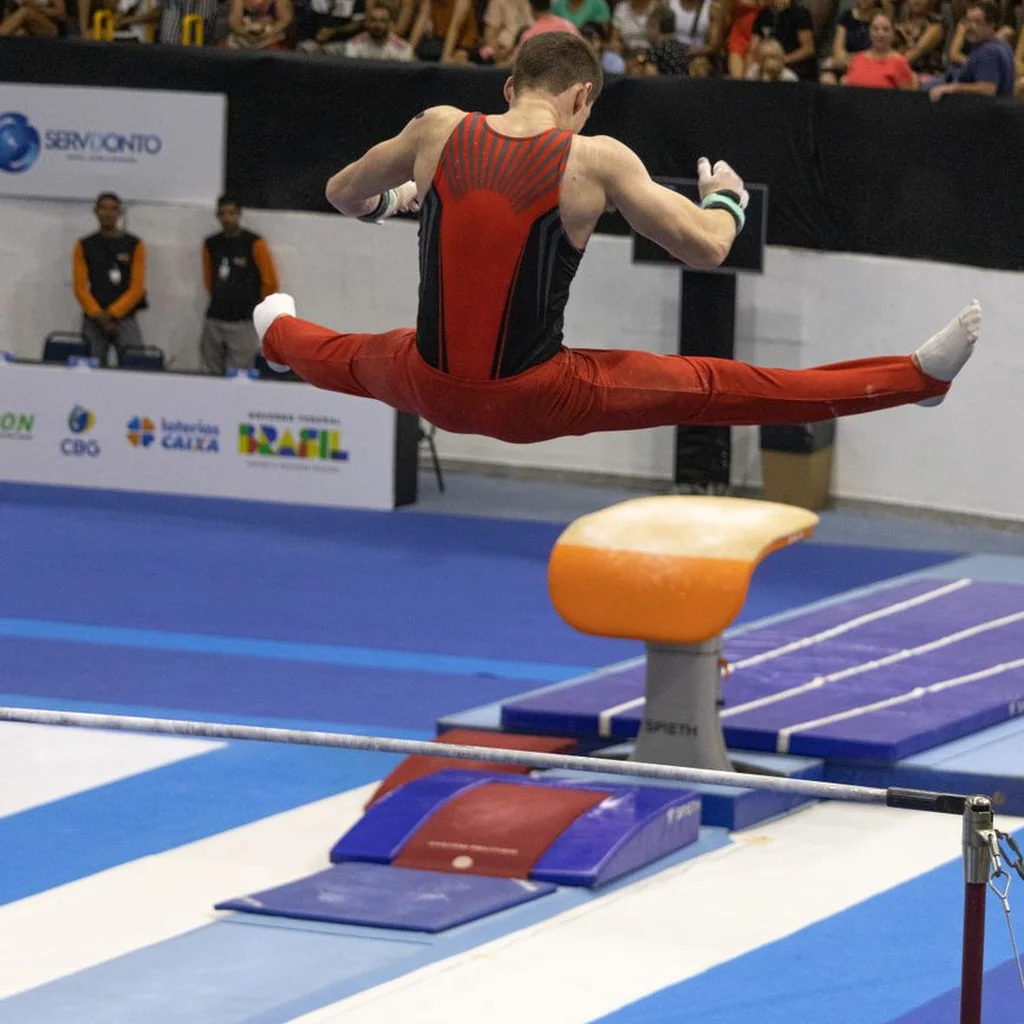
Photo: Tallita Maynara on Pexels
Ana en la competición de gimnasia
Ana at the Gymnastics Competition
Ana takes part in a gymnastics competition and tries to remember her routine when she forgets a move.
Three short parts. Read each part in Spanish first; tap “Show English” under a paragraph when you need the translation.


Part 1
Ana tiene doce años y hoy participa en una competición de gimnasia. Lleva un traje azul y espera su turno junto a la pista.
Show EnglishHide English
Ana is twelve years old, and today she is taking part in a gymnastics competition. She is wearing a blue leotard and waiting for her turn beside the floor.
—Ana, ahora tú —dice su entrenadora.
Show EnglishHide English
“Ana, it’s your turn now,” says her coach.
Ana camina hasta el centro, respira hondo y saluda a los jueces con una sonrisa. El público está en silencio. Entonces levanta los brazos para empezar su rutina, pero no recuerda el primer movimiento.
Show EnglishHide English
Ana walks to the center, takes a deep breath, and smiles as she salutes the judges. The audience is silent. Then she raises her arms to start her routine, but she cannot remember the first move.
Mira un momento a su entrenadora. La música empieza, pero Ana sigue quieta. Siente calor en la cara y escucha algunos murmullos.
Show EnglishHide English
She looks at her coach for a moment. The music starts, but Ana stays still. Her face feels hot, and she hears a few people whispering.
Su entrenadora levanta una mano y hace una señal. Ana conoce esa señal: significa que debe empezar con un salto.
Show EnglishHide English
Her coach raises one hand and makes a sign. Ana knows that sign: it means she should start with a jump.
Ana respira otra vez. Mira la línea blanca del suelo y mueve un pie hacia delante. La música continúa y los jueces esperan. Ana prepara los brazos y, justo antes de saltar, piensa: «Puedo hacerlo».
Show EnglishHide English
Ana takes another breath. She looks at the white line on the floor and moves one foot forward. The music continues, and the judges wait. Ana gets her arms ready and, just before she jumps, thinks, “I can do it.”
Part 2
Ana salta y cae de pie sobre la línea blanca. No se cae. La música sigue y ella levanta los brazos. Después gira una vez y sonríe. Poco a poco, recuerda la rutina.
Show EnglishHide English
Ana jumps and lands on her feet on the white line. She does not fall. The music continues, and she raises her arms. Then she turns once and smiles. Little by little, she remembers the routine.
El público empieza a aplaudir. Ana escucha a su entrenadora:
Show EnglishHide English
The audience starts to clap. Ana hears her coach:
—¡Muy bien! ¡Sigue!
Show EnglishHide English
“Very good! Keep going!”
Ana corre unos pasos y da una vuelta. Esta vez todo parece más fácil. Los jueces escriben en sus papeles y la miran con atención. Ana ya no siente tanto calor en la cara.
Show EnglishHide English
Ana runs a few steps and turns. This time everything seems easier. The judges write on their papers and watch her closely. Ana’s face does not feel so hot now.
Pero llega una parte nueva de la rutina. Después de la vuelta, debe hacer un movimiento de equilibrio. Ana sabe hacerlo, pero no recuerda con qué pie debe empezar. Mira rápidamente sus pies y luego mira a su entrenadora.
Show EnglishHide English
But a new part of the routine comes. After the turn, she has to do a balancing move. Ana knows how to do it, but she cannot remember which foot to start with. She looks quickly at her feet, then at her coach.
La entrenadora no hace ninguna señal. Solo mueve los labios, pero Ana no entiende sus palabras. La música continúa y Ana tiene que elegir: ¿con el pie derecho o con el izquierdo?
Show EnglishHide English
Her coach does not make a sign. She only moves her lips, but Ana cannot understand her words. The music continues, and Ana has to choose: with her right foot or her left?
Part 3
Ana elige el pie derecho. Levanta los brazos y hace el movimiento de equilibrio. Al principio, tiembla un poco, pero mantiene el cuerpo firme. Después baja el pie con cuidado y continúa al ritmo de la música.
Show EnglishHide English
Ana chooses her right foot. She raises her arms and does the balancing move. At first, she shakes a little, but she keeps her body steady. Then she carefully lowers her foot and continues with the music.
Ahora recuerda toda la rutina. Hace otro giro, salta y mueve los brazos. Ya no mira a su entrenadora. Mira al frente y piensa en cada movimiento. Al final, estira una pierna, levanta los brazos y se queda quieta.
Show EnglishHide English
Now she remembers the whole routine. She turns again, jumps, and moves her arms. She no longer looks at her coach. She looks straight ahead and thinks about each move. At the end, she stretches one leg, raises her arms, and stands still.
La música termina. Ana saluda a los jueces y al público. Todos aplauden con fuerza. Ana sonríe, un poco cansada, pero muy contenta.
Show EnglishHide English
The music ends. Ana salutes the judges and the audience. Everyone claps loudly. Ana smiles, a little tired but very happy.
Su entrenadora corre hacia ella y la abraza.
Show EnglishHide English
Her coach runs over to her and hugs her.
—¡Lo has hecho muy bien! —dice—. Aunque olvidaste el primer movimiento, encontraste la forma de continuar.
Show EnglishHide English
“You did very well!” she says. “Even though you forgot the first move, you found a way to continue.”
Ana mira a los jueces. Poco después, anuncian los resultados: Ana gana una medalla por su ejercicio. Ella aprende que un error no tiene por qué detenerlo todo.
Show EnglishHide English
Ana looks at the judges. A little later, they announce the results: Ana wins a medal for her performance. She learns that one mistake does not have to stop everything.
Practise this Spanish story
Vocabulary in context
Important words and phrases
competición de gimnasia
noun phrasegymnastics competition
Ana participa en una competición de gimnasia.
Ana takes part in a gymnastics competition.
espera su turno
verb phrasewaits her turn
Ella espera su turno antes de empezar.
She waits her turn before starting.
entrenadora
nouncoach
Su entrenadora la mira con atención.
Her coach watches her carefully.
saluda a los jueces
verb phrasegreets the judges
Ana saluda a los jueces con una sonrisa.
Ana greets the judges with a smile.
jueces
nounjudges
Los jueces escriben en sus papeles.
The judges write on their papers.
público
nounaudience
El público aplaude al final.
The audience applauds at the end.
rutina
nounroutine
Ana empieza su rutina.
Ana starts her routine.
salto
nounjump
Ana hace un salto.
Ana does a jump.
equilibrio
nounbalance
Necesita equilibrio para no caerse.
She needs balance so she does not fall.
gana una medalla
verb phrasewins a medal
Ana gana una medalla por su ejercicio.
Ana wins a medal for her exercise.
Check your understanding
Comprehension questions
Choose an answer, check it, then move to the next question.
Question 1 of 3
- Question 1: current not answered
- Question 2: not answered
- Question 3: not answered
Notice the language
Language notes
tener que + infinitivo
This pattern means 'to have to' or 'must'. In Spanish, you use a conjugated form of tener + que + infinitive. It is very common for obligations and necessities. Example: 'Ana tiene que elegir.' = 'Ana has to choose.'
Ana tiene que elegir.
Ana has to choose.
More Spanish stories to read next
Problemas con el teléfono
Problems with the Phone
Carlos calls customer service because his internet is not working and tries to speak with an agent.

En la farmacia
At the Pharmacy
Luis needs medicine for a sore throat in a foreign country, but he and the pharmacist do not speak the same language.
La fiesta de disfraces
The Costume Party
Lucas arrives at a party dressed casually, only to find that all his friends are wearing costumes.
El ramo de la novia
The Bride’s Bouquet
At her friend’s wedding, Ana catches the bouquet and faces an awkward moment with her boyfriend.