


Back to Upper Intermediate (B2) stories

Unlock the Complete Learning Experience

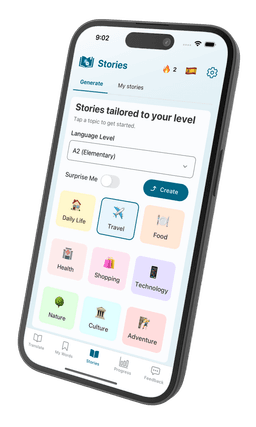
You're reading free stories on our website. Get the mobile app for audio narration, speaking practice, vocabulary saving, personalised stories, instant translations, and progress tracking.

Download on the App StoreGet it on Google Play
Audio
Translations
Progress

학교 벽 뒤에 숨겨진 시간

Upper Intermediate (B2)
5 min read

📖 You are reading the free text version. Get our mobile app for 🎧 audio narration, 💬 speaking practice, 🔄 instant translations, and 💾 vocabulary saving to enhance your learning experience.

학교에서 가장 오래된 복도에는 누구도 잘 가지 않는 벽이 있다. 나는 그곳에서 이상한 소리를 들은 뒤부터 호기심이 생겼다.

어느 날 수업이 끝난 후 몰래 그 벽 근처로 다가갔다. 벽에는 작은 틈이 있었고, 손을 넣자 냉기가 느껴졌다. 고민하다가 용기를 내어 틈 안을 들여다보니, 시간이 멈춘 듯 먼지 쌓인 오래된 시계와 낡은 일기장이 있었다.

나는 일기장을 펼쳤다. 그것은 30년 전 학생이 쓴 것이었고, 학교와 친구에 대한 이야기가 적혀 있었다. 하지만 일기가 묘하게 끝나 있었고, 그 학생이 왜 그만두었는지 알 수 없었다.

그 후로도 벽 근처에 자주 가서 일기장을 읽었지만, 더 이상 새로운 내용은 없었다. 나는 이 작은 비밀이 학교의 역사와 연결되어 있을지도 모른다는 생각에 빠졌다.

친구들에게 말하지 않았고, 혼자서 그 미스터리를 간직하기로 했다. 어쩌면 일부 이야기는 그냥 남겨두는 것이 아름다울지도 모른다. 학교의 평범한 하루 속에 숨겨진 시간의 조각이 나에게 작은 생각거리를 줬다.

Practise this Korean story

Vocabulary in context

Important words and phrases

  • 호기심이 생겼다

    phrase

    Romanization: hogisimi saenggyeotda

    became curious

    그 소리를 들은 뒤 호기심이 생겼다.

    After hearing the sound, I became curious.

  • 몰래

    adverb

    Romanization: mollae

    secretly

    그는 몰래 교실 문을 열었다.

    He secretly opened the classroom door.

  • 벽 근처로 다가갔다

    phrase

    Romanization: byeok geuncheoro dagagatda

    approached the wall

    나는 복도 끝 벽 근처로 다가갔다.

    I approached the wall at the end of the hallway.

  • noun

    Romanization: teum

    gap; crack

    벽의 작은 틈 사이로 빛이 새어 나왔다.

    Light leaked through a small crack in the wall.

  • 냉기

    noun

    Romanization: naenggi

    cold air; chill

    문을 열자 차가운 냉기가 들어왔다.

    When the door opened, cold air came in.

  • 용기를 내어

    phrase

    Romanization: yonggireul naeeo

    gathered the courage to

    나는 용기를 내어 선생님께 질문했다.

    I gathered the courage to ask the teacher a question.

  • 들여다보니

    phrase

    Romanization: deuryeodaboni

    when I peered in; upon looking inside

    상자를 들여다보니 오래된 사진이 있었다.

    When I peered into the box, there was an old photo.

  • 묘하게

    adverb

    Romanization: myohage

    strangely; oddly

    그 목소리는 묘하게 익숙했다.

    That voice felt strangely familiar.

  • 간직하기로 했다

    phrase

    Romanization: ganjikhagiro haetda

    decided to keep it to myself; decided to hold onto it

    나는 그 편지를 혼자 간직하기로 했다.

    I decided to keep the letter to myself.

  • 숨겨진

    adjective

    Romanization: sumgyeojin

    hidden

    벽 뒤에 숨겨진 비밀을 찾았다.

    I found a secret hidden behind the wall.

Check your understanding

Comprehension questions

Choose an answer, check it, then move to the next question.

Question 1 of 3

  1. Question 1: current not answered
  2. Question 2: not answered
  3. Question 3: not answered
벽 안에서 나는 무엇을 발견했나요?What did I find inside the wall?

Notice the language

Language notes

grammar

A-ㄴ 듯 / V-는 듯

Add 듯 to an adjective or verb form to mean "as if" or "as though." It often describes an impression, not a confirmed fact. You can reuse it in narration and comparison. Example: "방 안이 시간이 멈춘 듯 조용했다." = "The room was quiet as if time had stopped."

  • 방 안이 시간이 멈춘 듯 조용했다.

    The room was quiet as if time had stopped.

Keep reading

More Upper Intermediate (B2) Stories
KoreanUpper Intermediate (B2)