


Back to Upper Intermediate (B2) stories

Unlock the Complete Learning Experience

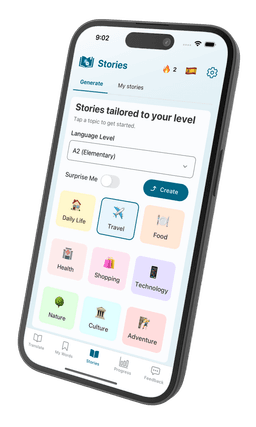
You're reading free stories on our website. Get the mobile app for audio narration, speaking practice, vocabulary saving, personalised stories, instant translations, and progress tracking.

Download on the App StoreGet it on Google Play
Audio
Translations
Progress

안개 속의 숲에서

Upper Intermediate (B2)
5 min read

📖 You are reading the free text version. Get our mobile app for 🎧 audio narration, 💬 speaking practice, 🔄 instant translations, and 💾 vocabulary saving to enhance your learning experience.

아침 이슬이 숲을 덮고 있을 때, 나는 혼자 산책을 나갔다. 숲은 고요했고, 안개가 나무 사이로 천천히 흘러내리고 있었다.

처음에는 새소리와 바람 소리에 집중하며 평화로운 시간을 보냈다. 하지만 갑자기 발밑에서 무언가 움직이는 소리가 들려, 나는 멈춰 섰다. 눈을 가까이 대어 살펴보니, 작은 다람쥐 한 마리가 떨어진 도토리를 손에 쥐고 있었다.

나는 그의 빠른 움직임에 매료되어 잠시 따라가고 싶었지만, 숲의 짙은 안개 때문에 방향을 잃기 쉬웠다. 그래서 그냥 그 모습을 조용히 지켜보았다. 다람쥐는 도토리를 숨길 장소를 찾느라 여기저기 뛰어다녔다.

숲속에 다른 생명들이 조용히 살아가는 모습은 평소 도시 생활에서 느끼기 힘든 신비로운 느낌을 줬다. 나는 이 순간이 오래 기억에 남을 것이라는 생각에 마음속 깊이 평화를 느꼈다.

걸음을 다시 옮기려는데, 안개가 점점 더 짙어지며 전방 시야가 거의 사라졌다. 잠시 멈추어 숲을 둘러보니, 자연의 힘이 나를 감싸고 있다는 사실이 실감났다. 그날은 숲을 탐험하는 특별한 날이었지만, 숲이 나에게 모든 것을 보여주지 않은 채 신비로움을 유지했다.

집으로 돌아올 때까지도 안개와 숲의 냄새가 내 마음속에 깊이 남아 있었다. 그 경험은 누군가와 함께 하는 순간보다 혼자서 자연과 교감하는 소중함을 다시 한 번 느끼게 해주었다.

Practise this Korean story

Vocabulary in context

Important words and phrases

  • 고요하다

    adjective

    Romanization: goyohada

    to be quiet; still

    새벽의 호수는 아주 고요했다.

    The lake at dawn was very quiet.

  • 흘러내리다

    verb

    Romanization: heulleonaerida

    to drift down; to flow down

    아침 안개가 산허리로 천천히 흘러내렸다.

    The morning fog slowly drifted down the mountainside.

  • 집중하다

    verb

    Romanization: jipjunghada

    to focus; to concentrate

    나는 숨소리에 집중했다.

    I focused on my breathing.

  • 멈춰 서다

    verb phrase

    Romanization: meomchwo seoda

    to stop and stand still

    그 소리에 나는 길 한가운데서 멈춰 섰다.

    At that sound, I stopped in the middle of the path.

  • 매료되다

    verb

    Romanization: maeryodoeda

    to be fascinated; to be captivated

    나는 그 배우의 차분한 목소리에 매료되었다.

    I was captivated by that actor's calm voice.

  • 방향을 잃다

    verb phrase

    Romanization: banghyangeul ilda

    to lose one's direction

    안개가 짙어서 길에서 방향을 잃기 쉬웠다.

    Because the fog was thick, it was easy to lose direction on the path.

  • 지켜보다

    verb

    Romanization: jikyeoboda

    to watch carefully; to observe

    나는 창밖의 비를 조용히 지켜보았다.

    I quietly watched the rain outside the window.

  • 짙어지다

    verb

    Romanization: jiteojida

    to become thicker; to deepen

    해가 지자 안개가 더 짙어졌다.

    As the sun set, the fog grew thicker.

  • 실감나다

    verb

    Romanization: silgamnada

    to feel real; to sink in

    그 말을 듣고 나서야 상황이 실감났다.

    Only after hearing that did the situation really sink in.

  • 교감하다

    verb

    Romanization: gyogamhada

    to connect emotionally; to feel in tune with

    혼자 걷는 동안 나는 자연과 교감할 수 있었다.

    While walking alone, I was able to connect with nature.

Check your understanding

Comprehension questions

Choose an answer, check it, then move to the next question.

Question 1 of 3

  1. Question 1: current not answered
  2. Question 2: not answered
  3. Question 3: not answered
발밑에서 무언가 움직이는 소리를 들었을 때 나는 어떻게 했나?What did the narrator do when they heard something moving underfoot?

Notice the language

Language notes

grammar

V-기 쉽다

This pattern means that something is easy to happen or likely to happen, often with a sense of risk or tendency. In the story, "방향을 잃기 쉬웠다" means the fog made it easy to lose direction. You can reuse it in many situations, for example: "비가 오면 길을 잃기 쉽다." It means "When it rains, it is easy to lose the way."

  • 비가 오면 길을 잃기 쉽다.

    When it rains, it is easy to lose the way.

Keep reading

More Upper Intermediate (B2) Stories
KoreanUpper Intermediate (B2)