
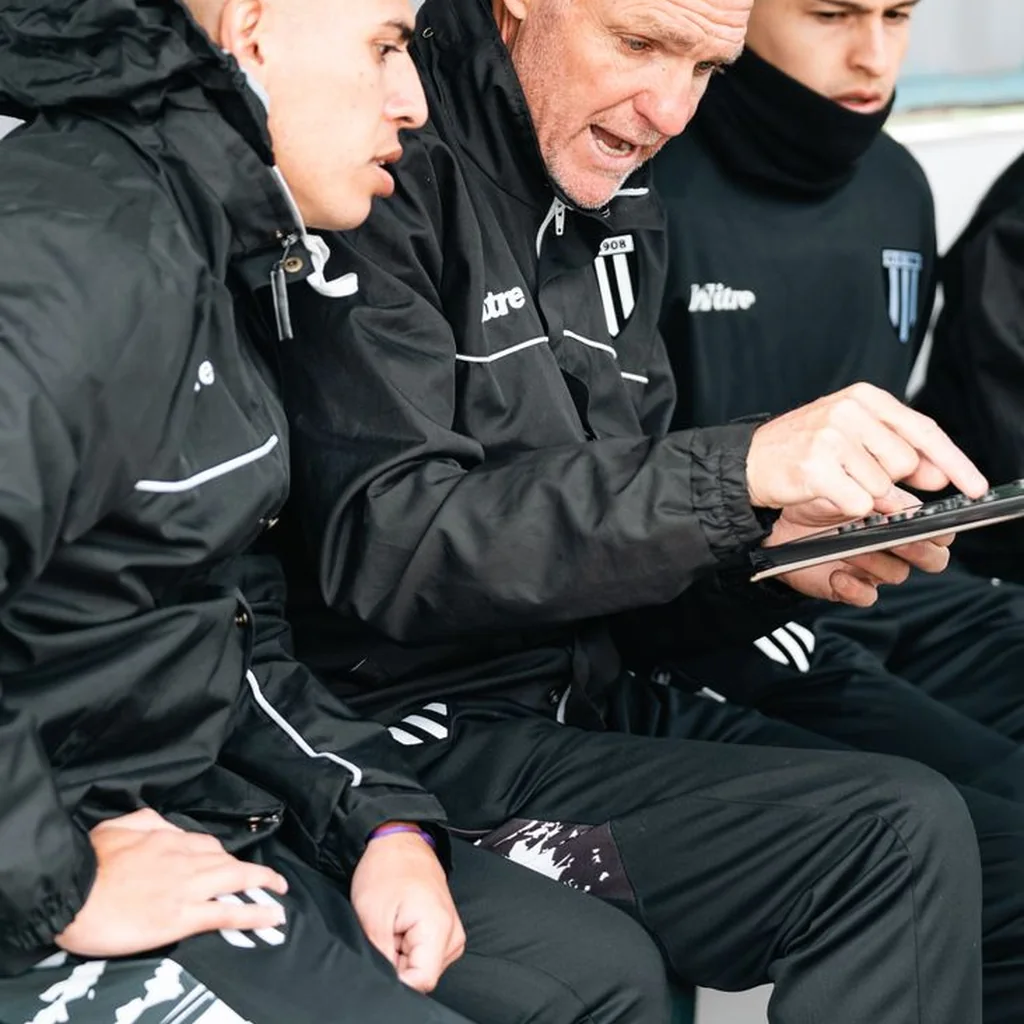
Photo: Franco Monsalvo on Pexels
La remise en jeu
Back in Play
At the gym, veteran Philippe hears that rookie Théo will start in his place on Saturday and is asked to teach him to defend inbound plays.
Three short parts. Read each part in French first; tap “Show English” under a paragraph when you need the translation.


Part 1
Philippe repliait son maillot quand Sandrine, l’entraîneuse, vint s’asseoir à côté de lui. À l’autre bout du gymnase, Théo ramassait les ballons en sifflotant, comme s’il n’avait pas passé la soirée à courir après tout le monde.
Show EnglishHide English
Philippe was folding his jersey when Sandrine, the coach, came and sat beside him. At the other end of the gym, Théo was gathering the balls, whistling as if he hadn’t spent the evening running after everyone.
« Samedi, j’aimerais qu’il commence à ta place », dit-elle. Elle attendit que Philippe relève la tête. « Et j’aimerais que tu lui montres comment on défend sur les remises en jeu. »
Show EnglishHide English
“On Saturday, I’d like him to start in your place,” she said. She waited for Philippe to look up. “And I’d like you to show him how to defend against inbound plays.”
Philippe tira sur le lacet de sa chaussure. « Tant qu’à faire, je peux aussi lui prêter mon casier. Il ferme mal, mais on finit par s’y attacher. »
Show EnglishHide English
Philippe tugged at his shoelace. “While we’re at it, I could lend him my locker too. The door doesn’t shut properly, but you grow attached to it eventually.”
Sandrine esquissa un sourire. « Tu as le droit de m’en vouloir. Mais il est rapide, et toi, tu connais les habitudes des autres équipes sur le bout des doigts. »
Show EnglishHide English
Sandrine gave a faint smile. “You’re allowed to be angry with me. But he’s fast, and you know the other teams’ habits inside out.”
« Je joue encore, à ce que je sache. »
Show EnglishHide English
“As far as I know, I’m still playing.”
« Oui. Et je compte sur toi en deuxième mi-temps. »
Show EnglishHide English
“Yes. And I’m counting on you in the second half.”
Elle lui tapota l’épaule avant de rejoindre Théo. Philippe resta assis, sa chaussure à la main, jusqu’à ce que le jeune homme revienne vers lui avec deux ballons sous le bras.
Show EnglishHide English
She patted his shoulder before going over to Théo. Philippe stayed seated, shoe in hand, until the young man came back to him with two balls tucked under his arm.
« Sandrine m’a dit pour samedi. Je sais que ça doit te faire drôle. »
Show EnglishHide English
“Sandrine told me about Saturday. I know it must feel strange for you.”
« Elle t’a dit ça aussi ? Elle ne perd pas de temps. »
Show EnglishHide English
“She told you that too? She doesn’t waste any time.”
Théo posa les ballons par terre et se gratta la nuque. « Bon. Tu veux bien me montrer quand même ? »
Show EnglishHide English
Théo put the balls on the floor and scratched the back of his neck. “Well. Will you show me anyway?”
Philippe se leva, remit sa chaussure et désigna la ligne de touche. « Mets-toi là. On va voir ce que tu fais quand je remets le ballon en jeu. »
Show EnglishHide English
Philippe stood up, put his shoe back on, and pointed to the sideline. “Stand there. Let’s see what you do when I put the ball back in play.”
Part 2
Théo se plaça devant lui, les genoux fléchis. Philippe fit mine de passer à droite ; le jeune partit aussitôt dans cette direction, et Philippe lança tranquillement le ballon à gauche.
Show EnglishHide English
Théo stood in front of him, knees bent. Philippe pretended to pass to the right; the young man immediately moved that way, and Philippe calmly threw the ball to the left.
« Trop facile », dit-il. « Si tu regardes mes épaules au lieu du ballon, tu verras venir la passe. »
Show EnglishHide English
“Too easy,” he said. “If you watch my shoulders instead of the ball, you’ll see the pass coming.”
Ils recommencèrent. Cette fois, Théo ne bougea pas d’un pouce, puis intercepta la passe et fila vers le panier. Il marqua, revint en trottinant et tendit le ballon à Philippe.
Show EnglishHide English
They tried again. This time, Théo didn’t move an inch, then intercepted the pass and sprinted toward the basket. He scored, jogged back, and handed the ball to Philippe.
« Comme ça ? »
Show EnglishHide English
“Like that?”
« Oui. Évite juste de faire cette tête-là samedi. »
Show EnglishHide English
“Yes. Just try not to make that face on Saturday.”
« Quelle tête ? »
Show EnglishHide English
“What face?”
« Celle de quelqu’un qui vient de découvrir le basket. »
Show EnglishHide English
“The face of someone who’s just discovered basketball.”
Théo baissa les yeux, mais ne put retenir un sourire. Philippe récupéra le ballon et lui montra encore deux placements, en prenant son temps malgré l’heure qui tournait. Quand ils eurent fini, Sandrine les rappela près du banc.
Show EnglishHide English
Théo looked down, but couldn’t hold back a smile. Philippe retrieved the ball and showed him two more positions, taking his time despite the late hour. When they were finished, Sandrine called them over to the bench.
« Pour les remises en jeu, on fera comme vous venez de travailler. Théo commence, puis Philippe entre à la pause. » Elle déplia la feuille de match. « Il nous faut aussi un capitaine sur le terrain au coup d’envoi. »
Show EnglishHide English
“For the inbound plays, we’ll do what you’ve just been practicing. Théo starts, then Philippe comes on at halftime.” She unfolded the team sheet. “We also need a captain on the court at tip-off.”
Philippe tendit la main vers le brassard posé sur le banc. Sandrine le regarda, puis se tourna vers Théo. « Je pensais le lui confier pour la première mi-temps. »
Show EnglishHide English
Philippe reached for the armband lying on the bench. Sandrine looked at him, then turned to Théo. “I was thinking of giving it to him for the first half.”
La main de Philippe resta en l’air une seconde. Théo, lui, ne bougeait plus. « Je peux très bien m’en passer », dit-il.
Show EnglishHide English
Philippe’s hand stayed in the air for a second. Théo, meanwhile, had gone still. “I can manage perfectly well without it,” he said.
Sandrine prit le brassard et le posa entre eux.
Show EnglishHide English
Sandrine picked up the armband and placed it between them.
Part 3
Philippe regarda le brassard, puis Théo. « Si tu t’en passes, qui ira discuter avec l’arbitre quand Sandrine ne sera pas d’accord avec lui ? »
Show EnglishHide English
Philippe looked at the armband, then at Théo. “If you can manage without it, who’ll go talk to the referee when Sandrine disagrees with him?”
« Je vous entends », dit-elle.
Show EnglishHide English
“I can hear you,” she said.
« Justement. Il faut le prévenir. » Philippe prit le brassard et le tendit à Théo. « Tu verras, elle a toujours raison. Demande-lui. »
Show EnglishHide English
“That’s exactly why he needs warning.” Philippe picked up the armband and held it out to Théo. “You’ll see, she’s always right. Ask her.”
Théo l’enfila, trop haut sur sa manche. Le tissu lui serrait le bras ; il le redescendit pendant que Sandrine repliait sa feuille. Personne ne parla tout de suite.
Show EnglishHide English
Théo put it on, too high up his sleeve. The fabric squeezed his arm; he pulled it down while Sandrine folded her sheet. Nobody spoke for a moment.
Samedi, Philippe suivit l’échauffement depuis le banc. Sur la première remise en jeu adverse, Théo fixa les épaules du passeur et coupa la trajectoire du ballon. Il se retourna vers Philippe, qui leva le pouce avant de se raviser et de lui faire signe de revenir défendre.
Show EnglishHide English
On Saturday, Philippe watched the warm-up from the bench. On the first opposing inbound play, Théo fixed his gaze on the passer’s shoulders and cut off the ball’s path. He turned toward Philippe, who gave him a thumbs-up, then changed his mind and signaled for him to get back on defense.
À la pause, leur équipe avait deux points de retard. Dans le vestiaire, Théo retira le brassard et le tendit à Philippe. « À toi d’aller discuter avec l’arbitre. »
Show EnglishHide English
At halftime, their team was two points behind. In the locker room, Théo took off the armband and handed it to Philippe. “You go talk to the referee.”
Philippe le passa à son bras. « Il a été si pénible que ça ? »
Show EnglishHide English
Philippe put it on his arm. “Was he that difficult?”
« Non. Sandrine, si. »
Show EnglishHide English
“No. Sandrine was.”
Ils retournèrent sur le terrain côte à côte. Philippe joua toute la deuxième mi-temps ; à une minute de la fin, il intercepta une passe et servit Théo, qui marqua. Ils gagnèrent d’un point.
Show EnglishHide English
They returned to the court side by side. Philippe played the entire second half; with a minute left, he intercepted a pass and fed Théo, who scored. They won by one point.
Après la douche, Philippe retrouva son brassard roulé dans sa chaussure. Théo, déjà habillé, attendait près de la porte. « Je te le laisse pour la semaine prochaine ? »
Show EnglishHide English
After his shower, Philippe found his armband rolled up in his shoe. Théo, already dressed, was waiting by the door. “Shall I leave it with you for next week?”
Philippe essora son maillot. « On demandera à Sandrine. Mais enlève-le de ma chaussure, ça sent déjà assez comme ça. »
Show EnglishHide English
Philippe wrung out his jersey. “We’ll ask Sandrine. But get it out of my shoe—it already smells bad enough.”
Practise this French story
Vocabulary in context
Important words and phrases
faire mine de
expressionto pretend to
Elle fit mine de ne rien comprendre.
She pretended not to understand.
à ce que je sache
expressionas far as I know
À ce que je sache, le match est à vingt heures.
As far as I know, the match is at eight o'clock.
sur le bout des doigts
expressioninside out; by heart
Il connaît ce système sur le bout des doigts.
He knows this system inside out.
prendre son temps
expressionto take one's time
Prends ton temps avant de répondre.
Take your time before answering.
ne pas perdre de temps
expressionnot to waste time
Il ne veut pas perdre de temps.
He does not want to waste time.
à la pause
expressionat halftime; during the break
À la pause, on a revu la tactique.
At halftime, we reviewed the strategy.
côte à côte
expressionside by side
Ils ont marché côte à côte jusqu'au vestiaire.
They walked side by side to the locker room.
se raviser
verbto change one's mind
Il allait parler, puis s'est ravisé.
He was about to speak, then changed his mind.
le lui confier
expressionto entrust it to him/her
Je vais le lui confier pour ce soir.
I'm going to entrust it to him for tonight.
faire signe de
expressionto signal to; to gesture for someone to do something
Elle lui a fait signe de se taire.
She signaled to him to be quiet.
Check your understanding
Comprehension questions
Choose an answer, check it, then move to the next question.
Question 1 of 3
- Question 1: current not answered
- Question 2: not answered
- Question 3: not answered
Notice the language
Language notes
faire mine de + infinitif
Faire mine de + infinitive means to pretend to do something, or to make as if to do it. It is common in written narrative. In the story, Philippe fakes a pass to one side and throws the other way: « Philippe fit mine de passer à droite ».
Philippe fit mine de passer à droite.
Philippe made as if to pass to the right.
More French stories to read next
Le cœur rouge
The Red Heart
At two in the morning, Jade is awake in bed, scrolling through Arthur’s profile after agreeing to have coffee with him the next day.
Une place en première
A First-Class Seat
At the station, Juliette finds that her ticket and app assign her a first-class seat, though she paid for second class.
Le cours de danse
The Dance Class
At the back of a dance class, Mehdi tries to follow the music, hoping no one will notice that he is new to the class.
La dernière graine de basilic
The Last Basil Seed
On Sunday, Sarah plants the last basil seed from an almost empty packet in a pot on her kitchen windowsill.