
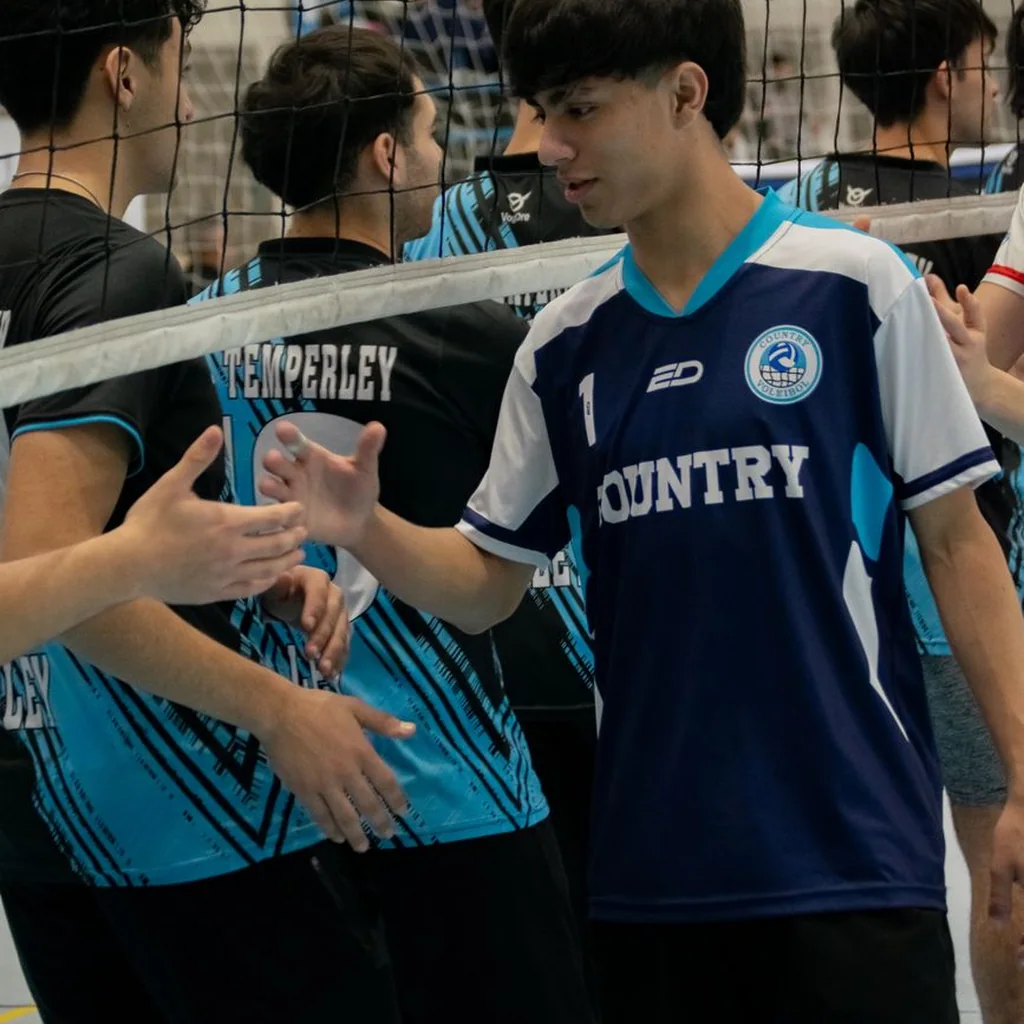
Photo: Fer Strange on Pexels
Après le match
After the Match
Lucas and his team are on the field after losing their match three to two.
Three short parts. Read each part in French first; tap “Show English” under a paragraph when you need the translation.


Part 1
Lucas pose son ballon près du banc. Le match est fini : son équipe a perdu trois à deux. Il avait une chance de marquer à la dernière minute, mais il a tiré à côté.
Show EnglishHide English
Lucas puts his ball near the bench. The match is over: his team lost three to two. He had a chance to score in the last minute, but he shot wide.
Sur le terrain, les joueurs de l’autre équipe rient et se prennent dans les bras. Lucas baisse les yeux. Il a chaud et il voudrait rentrer chez lui tout de suite.
Show EnglishHide English
On the field, the players on the other team are laughing and hugging. Lucas looks down. He is hot and wants to go home right away.
« Venez leur serrer la main ! » appelle son entraîneur.
Show EnglishHide English
“Come and shake their hands!” the coach calls.
Les amis de Lucas se mettent en ligne. Lui reste près du banc et donne un petit coup de pied dans l’herbe. Ce n’est pas juste : ils ont joué aussi bien que les autres, pense-t-il.
Show EnglishHide English
Lucas’s friends get into a line. He stays near the bench and gives the grass a little kick. It isn’t fair: they played as well as the others, he thinks.
Thomas, son meilleur ami dans l’équipe, vient le chercher. « Allez, Lucas. On le fait ensemble. »
Show EnglishHide English
Thomas, his best friend on the team, comes to get him. “Come on, Lucas. We’ll do it together.”
Lucas le suit sans répondre. En face de lui, les joueurs tendent déjà la main. Le premier lui sourit, et Lucas tend la main à son tour.
Show EnglishHide English
Lucas follows him without answering. In front of him, the players are already holding out their hands. The first one smiles at him, and Lucas holds out his hand too.
Part 2
Lucas serre la main du premier joueur, puis celle du deuxième. Il dit « bien joué » tout bas, mais il ne le pense pas vraiment. Il regarde encore ses chaussures quand il arrive devant le dernier joueur.
Show EnglishHide English
Lucas shakes the first player’s hand, then the second’s. He says “well played” quietly, but he doesn’t really mean it. He is still looking at his shoes when he gets to the last player.
C’est lui qui a marqué le troisième but. Lucas lui serre la main trop vite, sans le regarder.
Show EnglishHide English
He is the one who scored the third goal. Lucas shakes his hand too quickly, without looking at him.
« Tu es encore en colère ? » demande le garçon.
Show EnglishHide English
“Are you still angry?” the boy asks.
Lucas sent son visage devenir rouge. « Oui. J’ai raté mon tir et on a perdu. »
Show EnglishHide English
Lucas feels his face turning red. “Yes. I missed my shot and we lost.”
Le garçon ne rit pas. « J’ai eu peur quand tu as tiré. J’étais sûr que le ballon allait entrer. »
Show EnglishHide English
The boy doesn’t laugh. “I was scared when you shot. I was sure the ball was going to go in.”
Lucas lève enfin les yeux. Pendant une seconde, il se rappelle les deux buts de son équipe et les arrêts de son gardien. Le match était beau, même s’ils ont perdu.
Show EnglishHide English
At last, Lucas looks up. For a second, he remembers his team’s two goals and his goalkeeper’s saves. It was a great match, even though they lost.
Il voudrait le dire au garçon, mais celui-ci se tourne déjà vers ses amis. Lucas ouvre la bouche pour l’appeler.
Show EnglishHide English
He wants to say that to the boy, but the boy is already turning toward his friends. Lucas opens his mouth to call him.
Part 3Le dernier tir(The Last Shot)
« Attends ! » dit Lucas.
Show EnglishHide English
“Wait!” says Lucas.
Le garçon se retourne. Lucas cherche ses mots. Il pense encore à son tir, et il sait qu’il sera un peu triste ce soir. Mais il repense aussi au troisième but et à la joie des joueurs après le match.
Show EnglishHide English
The boy turns around. Lucas searches for the right words. He is still thinking about his shot, and he knows he will be a little sad tonight. But he also thinks again about the third goal and the players’ joy after the match.
« Votre équipe a bien joué, dit-il. Ton but était très beau. »
Show EnglishHide English
“Your team played well,” he says. “Your goal was really great.”
Cette fois, il le pense vraiment. Le garçon sourit et lui tend de nouveau la main. Lucas la serre en le regardant dans les yeux.
Show EnglishHide English
This time, he really means it. The boy smiles and holds out his hand again. Lucas shakes it while looking him in the eyes.
« Merci, répond le garçon. Vous avez bien joué aussi. »
Show EnglishHide English
“Thanks,” the boy replies. “You played well too.”
Thomas arrive avec le ballon sous le bras. Les autres joueurs les appellent : ils veulent faire quelques tirs avant de rentrer. Thomas et Lucas les rejoignent devant le but.
Show EnglishHide English
Thomas arrives with the ball tucked under his arm. The other players call to them: they want to take a few shots before going home. Thomas and Lucas join them in front of the goal.
Lucas rate son premier tir, puis marque au deuxième. Tout le monde applaudit, même le garçon de l’autre équipe. Lucas sourit et court chercher le ballon pour le lui passer.
Show EnglishHide English
Lucas misses his first shot, then scores on his second. Everyone applauds, even the boy from the other team. Lucas smiles and runs to get the ball so he can pass it to him.
Practise this French story
Vocabulary in context
Important words and phrases
le match
nounthe match
Le match commence à dix-huit heures.
The match starts at six o’clock.
le ballon
nounthe ball
Je cherche mon ballon.
I am looking for my ball.
perdre
verbto lose
Mon équipe peut perdre aujourd’hui.
My team can lose today.
marquer
verbto score
Lucas veut marquer un but.
Lucas wants to score a goal.
tirer à côté
verb phraseto shoot wide
Il tire à côté du but.
He shoots wide of the goal.
l’entraîneur
nounthe coach
L’entraîneur parle aux joueurs.
The coach talks to the players.
se mettre en ligne
verb phraseto line up
Les élèves se mettent en ligne.
The students line up.
serrer la main
verb phraseto shake hands
Je serre la main de mon ami.
I shake my friend's hand.
en colère
adjective phraseangry
Il est en colère aujourd’hui.
He is angry today.
applaudir
verbto applaud
Tout le monde applaudit.
Everyone applauds.
rentrer
verbto go home; to go back
Je dois rentrer maintenant.
I have to go home now.
Check your understanding
Comprehension questions
Choose an answer, check it, then move to the next question.
Question 1 of 3
- Question 1: current not answered
- Question 2: not answered
- Question 3: not answered
Notice the language
Language notes
voudrais / voudrait + infinitif
Use the conditional form of vouloir with an infinitive to say what someone would like to do. It is polite and often expresses a wish or a feeling. In the story: 'Il voudrait rentrer chez lui tout de suite.' You can reuse this pattern with many verbs: 'Je voudrais parler', 'Nous voudrions partir'. Because the verb is in the conditional, it often sounds softer than a direct statement.
Je voudrais rentrer chez moi tout de suite.
I would like to go home right away.
More French stories to read next
Le bug au bord de la rivière
The Glitch by the River
Enzo is sitting at his computer, and his character stops at the edge of a river during an online race.

Perdu au dépôt
Lost at the Depot
After visiting his sister, Arthur takes a coach home and falls asleep, then wakes up alone at an unfamiliar depot.

La tasse bleue au marché
The Blue Cup at the Market
On vacation by the sea, Louise visits a market and sees a small blue cup with a white fish that she wants for her sister.

Le grand ours en peluche
The Big Teddy Bear
At the village festival, Yanis wins a big teddy bear and must choose which of his two sisters to give it to.