
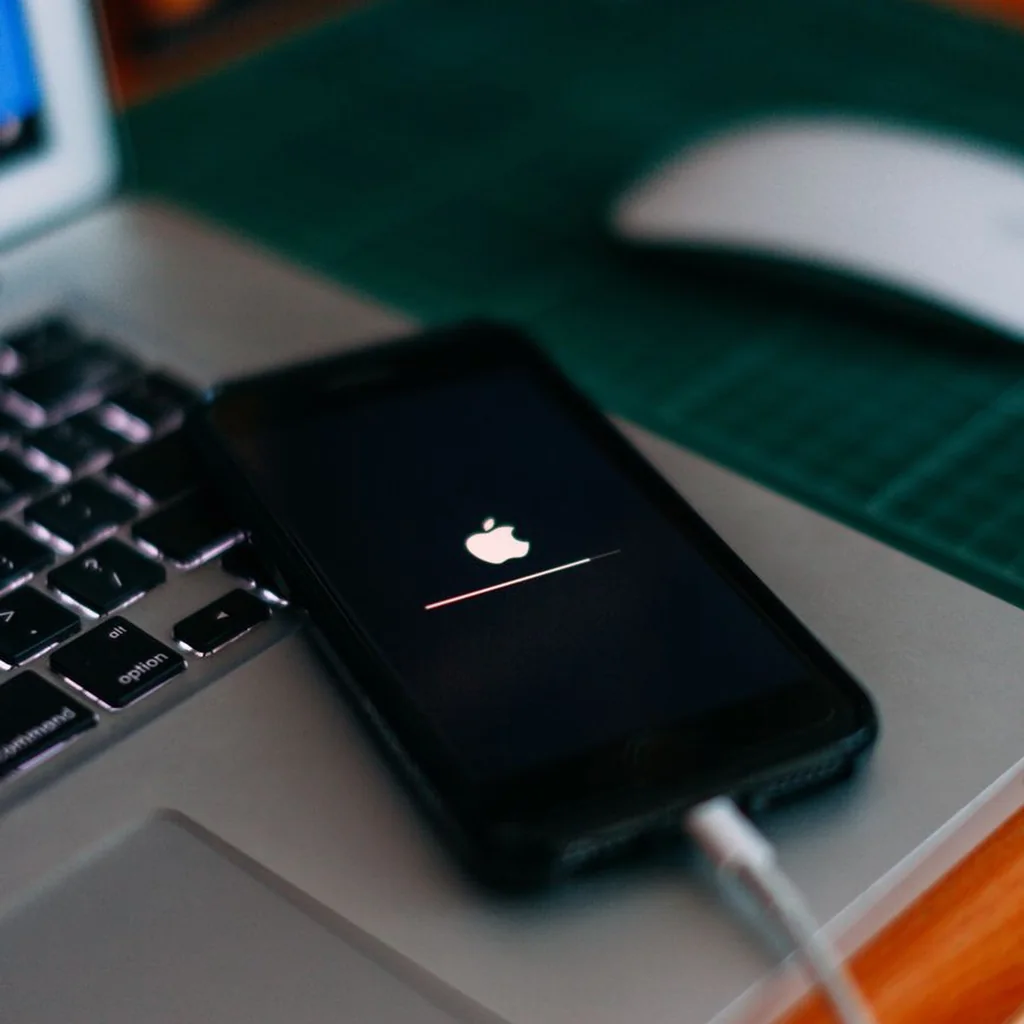
Photo: Szabó Viktor on Pexels
La batería al uno por ciento
The Battery at One Percent
Lucía’s phone battery is almost dead as she tries to give her number to a friendly stranger.
Three short parts. Read each part in Spanish first; tap “Show English” under a paragraph when you need the translation.


Part 1
Lucía esperaba el autobús después de clase. Un chico que estaba a su lado le preguntó si podía darle su número. Parecía amable, así que Lucía sacó el teléfono.
Show EnglishHide English
Lucía was waiting for the bus after class. A boy standing next to her asked if she could give him her number. He seemed kind, so Lucía took out her phone.
—Claro, es el 612...
Show EnglishHide English
“Sure, it’s 612...”
En ese momento, la batería bajó al uno por ciento. Lucía miró la pantalla con preocupación, pero siguió escribiendo el número. El chico sonrió y sacó su propio teléfono para guardarlo.
Show EnglishHide English
At that moment, the battery dropped to one percent. Lucía looked at the screen with worry, but kept typing the number. The boy smiled and took out his own phone to save it.
—¿Qué pasa? —preguntó.
Show EnglishHide English
“What’s wrong?” he asked.
—Mi teléfono está a punto de apagarse —dijo Lucía—. Creo que solo puedo escribir dos números más.
Show EnglishHide English
“My phone is about to turn off,” Lucía said. “I think I can only type two more numbers.”
El chico le dictó los números despacio. Lucía escribió uno más, pero la pantalla se puso negra. Los dos se quedaron en silencio mientras llegaba el autobús.
Show EnglishHide English
The boy said the numbers slowly. Lucía typed one more, but the screen went black. They both stayed quiet as the bus arrived.
—No recuerdo todo tu número —dijo ella—. Solo recuerdo que empieza por 612.
Show EnglishHide English
“I don’t remember your whole number,” she said. “I only remember that it starts with 612.”
El chico miró el autobús y luego a Lucía. Ella abrió la boca para preguntarle su nombre, pero las puertas empezaron a cerrarse.
Show EnglishHide English
The boy looked at the bus and then at Lucía. She opened her mouth to ask his name, but the doors began to close.
Part 2El número de Pablo(Pablo’s Number)
—¡Me llamo Pablo! —dijo el chico justo antes de que las puertas se cerraran.
Show EnglishHide English
“My name is Pablo!” the boy said just before the doors closed.
Lucía subió al autobús y se sentó cerca de la puerta. Pablo también subió y se sentó a su lado. Los dos miraron sus teléfonos, pero el de Lucía seguía apagado.
Show EnglishHide English
Lucía got on the bus and sat near the door. Pablo got on too and sat next to her. They both looked at their phones, but Lucía’s was still off.
—¿Recuerdas algún número más? —preguntó Pablo.
Show EnglishHide English
“Do you remember any more numbers?” Pablo asked.
—Creo que después del 612 venían dos números iguales —dijo ella—, pero no estoy segura.
Show EnglishHide English
“I think there were two of the same number after 612,” she said, “but I’m not sure.”
Pablo miró su teléfono. Solo había escrito 612.
Show EnglishHide English
Pablo looked at his phone. He had only written 612.
—Podemos esperar hasta la próxima parada —dijo—. Allí quizá puedas cargar el teléfono.
Show EnglishHide English
“We can wait until the next stop,” he said. “Maybe you can charge your phone there.”
Lucía sonrió. No quería perder la oportunidad de hablar con él, pero tampoco quería inventarse un número.
Show EnglishHide English
Lucía smiled. She didn’t want to miss the chance to talk to him, but she also didn’t want to make up a number.
Entonces, el autobús se detuvo. Pablo buscó un bolígrafo en su mochila y encontró un recibo pequeño. Escribió algo y se lo dio a Lucía.
Show EnglishHide English
Then the bus stopped. Pablo looked for a pen in his backpack and found a small receipt. He wrote something on it and gave it to Lucía.
—Este es mi número. Pero hay un problema: no sé si he escrito bien el último dígito.
Show EnglishHide English
“This is my number. But there’s a problem: I don’t know if I wrote the last digit correctly.”
Part 3El número correcto(The Right Number)
En la siguiente parada, bajaron del autobús y entraron en una pequeña cafetería. Lucía preguntó si podía cargar su teléfono unos minutos. La camarera le prestó un cargador y los dos se sentaron junto a la ventana.
Show EnglishHide English
At the next stop, they got off the bus and went into a small café. Lucía asked if she could charge her phone for a few minutes. The waitress lent her a charger, and they both sat by the window.
Mientras esperaban, Pablo miró el recibo.
Show EnglishHide English
While they waited, Pablo looked at the receipt.
—Creo que el último dígito es un siete —dijo—, pero vamos a comprobarlo.
Show EnglishHide English
“I think the last digit is a seven,” he said, “but let’s check.”
Cuando el teléfono de Lucía se encendió, Pablo le dictó su número completo. Lucía lo escribió y pulsó el botón de llamada. El teléfono de Pablo sonó inmediatamente.
Show EnglishHide English
When Lucía’s phone turned on, Pablo said his full number to her. Lucía typed it and pressed the call button. Pablo’s phone rang right away.
—¡Funciona! —dijo ella, contenta.
Show EnglishHide English
“It works!” she said happily.
—Y ahora ya tienes mi número correcto —respondió Pablo.
Show EnglishHide English
“And now you have my correct number,” Pablo replied.
Lucía guardó el contacto con su nombre y le dio su teléfono.
Show EnglishHide English
Lucía saved the contact with his name and gave him her phone.
—Escribe el mío también. Esta vez tenemos batería suficiente.
Show EnglishHide English
“Write my number too. This time we have enough battery.”
Pablo escribió el número de Lucía y la llamó para comprobarlo. Los dos rieron al ver que todo estaba bien.
Show EnglishHide English
Pablo typed Lucía’s number and called her to check it. They both laughed when they saw that everything was correct.
Después, tomaron un café antes de volver a la parada. Esta vez, Lucía no tuvo que decir ningún número deprisa.
Show EnglishHide English
After that, they had a coffee before going back to the bus stop. This time, Lucía didn’t have to say any numbers in a hurry.
Practise this Spanish story
Vocabulary in context
Important words and phrases
esperaba el autobús
verb phrasewas waiting for the bus
Estoy esperando el autobús.
I'm waiting for the bus.
darle su número
verb phraseto give him her number
¿Me puedes dar tu número?
Can you give me your number?
sacó el teléfono
verb phrasetook out the phone
Sacó el teléfono del bolsillo.
He took the phone out of his pocket.
La batería
nounthe battery
La batería de mi móvil está baja.
My phone battery is low.
la pantalla
nounthe screen
La pantalla se puso negra.
The screen turned black.
apagarse
verbto turn off
Mi móvil se va a apagar.
My phone is going to turn off.
le dictó
verb phrasedictated to her
Te dictaré el número despacio.
I will dictate the number to you slowly.
cargar su teléfono
verb phraseto charge her phone
Voy a cargar el teléfono un rato.
I'm going to charge the phone for a while.
comprobarlo
verb phraseto check it
Vamos a comprobar el número.
Let's check the number.
guardó el contacto
verb phrasesaved the contact
Voy a guardar tu contacto.
I'm going to save your contact.
la próxima parada
noun phrasethe next stop
Bajamos en la próxima parada.
We get off at the next stop.
Check your understanding
Comprehension questions
Choose an answer, check it, then move to the next question.
Question 1 of 3
- Question 1: current not answered
- Question 2: not answered
- Question 3: not answered
Notice the language
Language notes
estar a punto de + infinitivo
Use this pattern to say that something is about to happen very soon. It is formed with estar + a punto de + infinitive. You can reuse it for many situations, like transport, phones, or meetings.
Mi teléfono está a punto de apagarse.
My phone is about to turn off.
More Spanish stories to read next

La hora de diferencia
The One-Hour Difference
Martín arrives in a new country and tries to work out the time after forgetting to change his watch.

La tarta de cumpleaños
The Birthday Cake
Miguel tries to carry a birthday cake across the room while his dog Toby keeps getting in the way.

La danza del pueblo
The Village Dance
Marta goes to a village festival with her granddaughter and is invited to dance with the folk dancers.
La Mona Lisa en el museo
The Mona Lisa at the Museum
Daniel visits a museum with his father and discovers that the famous Mona Lisa is much smaller than he imagined.