
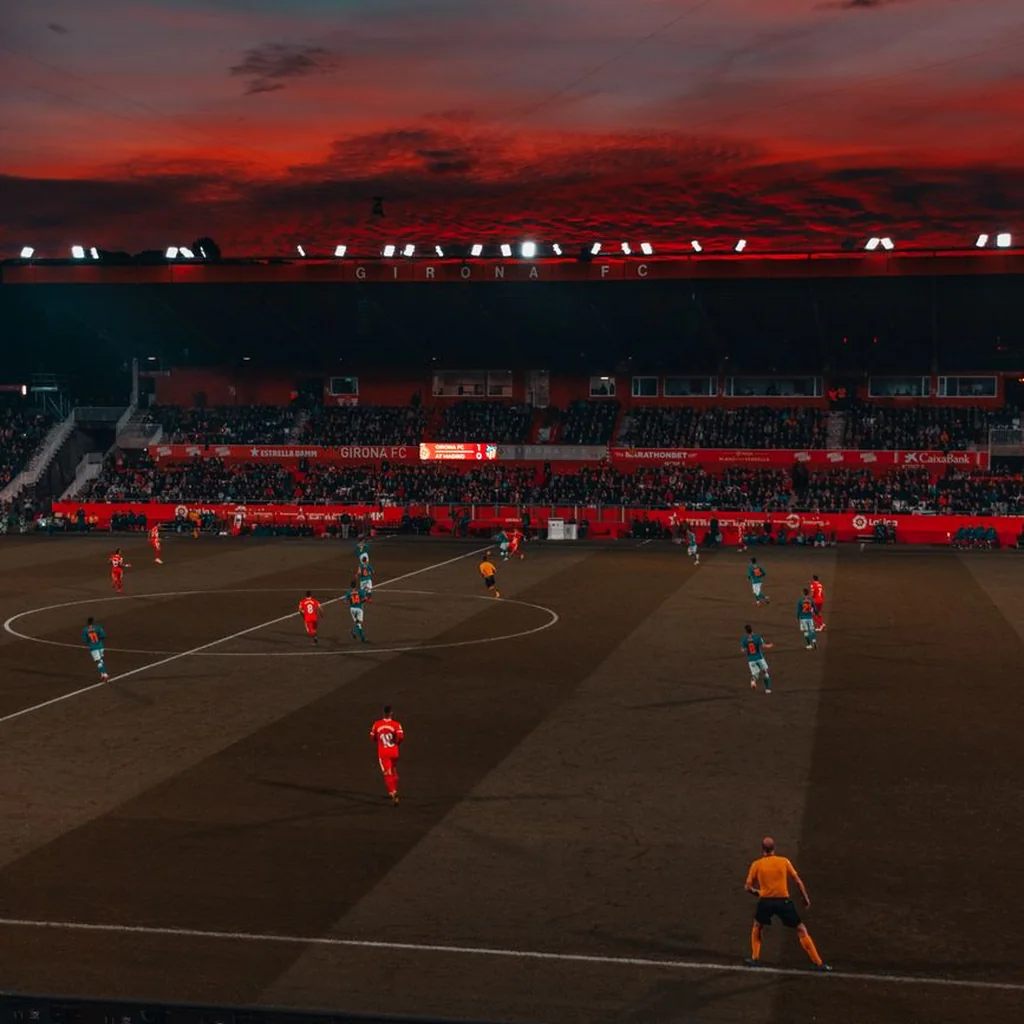
Photo: Unknown User on Pexels
Die Liste für die Fußballmannschaft
The Soccer Team List
Noah and Tim, both fifteen and longtime teammates, wait outside the sports hall for the soccer team list, and only one place is left.
Three short parts. Read each part in German first; tap “Show English” under a paragraph when you need the translation.


Part 1
Noah und Tim stehen nach dem Training vor der Sporthalle. Heute hängt der Trainer die Liste für die Fußballmannschaft aus. Beide sind fünfzehn und spielen schon seit Jahren zusammen.
Show EnglishHide English
Noah and Tim are standing outside the sports hall after practice. Today the coach is putting up the list for the soccer team. They are both fifteen and have played together for years.
„Hoffentlich schaffen wir es beide“, sagt Tim und zieht seine Jacke zu. Noah nickt. Er hat ein komisches Gefühl im Bauch.
Show EnglishHide English
“I hope we both make it,” says Tim, pulling his jacket closed. Noah nods. He has a strange feeling in his stomach.
Endlich öffnet der Trainer die Tür und hängt ein Blatt ans Fenster. Die Jungen laufen hin. Noah sucht zuerst nach Tims Namen, aber er findet ihn nicht.
Show EnglishHide English
At last, the coach opens the door and puts a sheet of paper on the window. The boys hurry over. Noah looks for Tim’s name first, but he cannot find it.
Dann sieht er seinen eigenen Namen. Er steht ganz unten auf der Liste. Noah weiß, dass nur noch ein Platz frei war.
Show EnglishHide English
Then he sees his own name. It is at the very bottom of the list. Noah knows that there was only one place left.
Tim liest die Liste zweimal. „Du bist drin“, sagt er leise. „Ich nicht.“
Show EnglishHide English
Tim reads the list twice. “You’re on the team,” he says quietly. “I’m not.”
Noah möchte sich freuen, aber Tim schaut auf den Boden. „Das tut mir leid“, sagt Noah. „Du hast doch heute so gut gespielt.“
Show EnglishHide English
Noah wants to feel happy, but Tim is looking at the ground. “I’m sorry,” says Noah. “You played so well today.”
Tim antwortet nicht. Er nimmt seinen Ball und geht ein paar Schritte. Dann dreht er sich noch einmal zu Noah um.
Show EnglishHide English
Tim does not answer. He picks up his ball and walks a few steps away. Then he turns back to Noah once more.
Part 2Nach dem Training(After Practice)
„Kommst du?“, fragt Tim. „Wir gehen doch sonst zusammen nach Hause.“ Noah nimmt seine Tasche und läuft neben ihm her.
Show EnglishHide English
“Are you coming?” Tim asks. “We usually walk home together.” Noah picks up his bag and walks beside him.
Eine Weile sagen beide nichts. Vor dem kleinen Laden an der Ecke bleibt Tim stehen. „Ich bin sauer“, sagt er. „Ich wollte unbedingt in die Mannschaft.“
Show EnglishHide English
For a while, neither of them says anything. Tim stops in front of the small shop on the corner. “I’m angry,” he says. “I really wanted to be on the team.”
Noah nickt. „Ich verstehe das. Ich würde gern mit dir spielen.“
Show EnglishHide English
Noah nods. “I understand. I’d like to play with you.”
„Ich auch“, sagt Tim. „Aber heute will ich nicht über Fußball reden.“ Er kauft sich ein Brötchen, und die beiden gehen weiter. Vor Tims Haus verabschieden sie sich.
Show EnglishHide English
“Me too,” says Tim. “But today I don’t want to talk about soccer.” He buys a bread roll, and they walk on. They say goodbye outside Tim’s house.
Am nächsten Nachmittag wartet Noah vor der Sporthalle. Er hat Tim gefragt, ob er nach dem Training mit ihm spielen möchte. Tim hat Ja gesagt und sitzt schon mit seinem Ball auf der Bank.
Show EnglishHide English
The next afternoon, Noah waits outside the sports hall. He has asked Tim if he would like to play with him after practice. Tim said yes and is already sitting on the bench with his ball.
Da kommt der Trainer zu Noah. „Wir machen nach dem Training noch ein Foto von der Mannschaft“, sagt er. „Das dauert nur ein paar Minuten.“
Show EnglishHide English
Then the coach comes over to Noah. “We’re going to take a team photo after practice,” he says. “It’ll only take a few minutes.”
Noah sieht zu Tim. Der nimmt gerade seinen Ball und steht auf.
Show EnglishHide English
Noah looks over at Tim. Tim is picking up his ball and standing up.
Part 3Warten nach dem Training(Waiting After Practice)
Noah geht zu Tim. „Nach dem Training machen wir noch ein Foto“, sagt er. „Kannst du ein paar Minuten warten?“
Show EnglishHide English
Noah goes over to Tim. “We’re taking a photo after practice,” he says. “Can you wait a few minutes?”
Tim schaut zur Tür der Halle. „Okay. Ich setze mich wieder auf die Bank.“
Show EnglishHide English
Tim looks at the door of the hall. “Okay. I’ll sit back down on the bench.”
Beim Training muss Noah oft an Tim denken. Nach dem letzten Spiel stellt sich die Mannschaft für das Foto auf. Noah lächelt kurz, dann holt er seine Tasche und läuft nach draußen.
Show EnglishHide English
During practice, Noah often thinks about Tim. After the last game, the team lines up for the photo. Noah smiles briefly, then gets his bag and runs outside.
Tim sitzt noch auf der Bank und wirft den Ball von einer Hand in die andere. „Das Foto hat länger gedauert, als ich dachte“, sagt Noah. „Danke, dass du gewartet hast.“
Show EnglishHide English
Tim is still sitting on the bench, tossing the ball from one hand to the other. “The photo took longer than I thought,” says Noah. “Thanks for waiting.”
„Kein Problem“, sagt Tim. „Wollen wir spielen?“
Show EnglishHide English
“No problem,” says Tim. “Shall we play?”
Sie gehen auf den kleinen Platz hinter der Halle. Tim schießt den Ball ins Tor, und Noah ruft: „Den konnte ich nicht halten!“ Beim nächsten Schuss hält er den Ball fest und lacht.
Show EnglishHide English
They go to the small field behind the hall. Tim shoots the ball into the goal, and Noah calls out, “I couldn’t save that one!” On the next shot, he catches the ball and laughs.
Auf dem Heimweg reden sie über das Spiel. Tim ist noch immer traurig wegen der Mannschaft, aber er freut sich, dass sie zusammen gespielt haben.
Show EnglishHide English
On the way home, they talk about the game. Tim is still sad about the team, but he is glad they played together.
Practise this German story
Vocabulary in context
Important words and phrases
der Trainer
nounthe coach
Der Trainer öffnet die Tür.
The coach opens the door.
die Liste
nounthe list
Der Trainer hängt die Liste ans Fenster.
The coach hangs the list on the window.
die Mannschaft
nounthe team
Ich spiele in der Mannschaft.
I play on the team.
die Sporthalle
nounthe sports hall
Wir warten vor der Sporthalle.
We are waiting in front of the sports hall.
nach dem Training
phraseafter training
Nach dem Training gehen wir nach Hause.
After training, we go home.
auf der Liste
phraseon the list
Mein Name steht auf der Liste.
My name is on the list.
warten
verbto wait
Kannst du kurz warten?
Can you wait a moment?
der Ball
nounthe ball
Tim nimmt seinen Ball.
Tim takes his ball.
das Tor
nounthe goal
Er schießt den Ball ins Tor.
He shoots the ball into the goal.
nach Hause
phrasehome
Wir gehen nach Hause.
We are going home.
sauer sein
phraseto be upset / angry
Tim ist sauer.
Tim is upset.
Check your understanding
Comprehension questions
Choose an answer, check it, then move to the next question.
Question 1 of 3
- Question 1: current not answered
- Question 2: not answered
- Question 3: not answered
Notice the language
Language notes
nach + Dativ
Use nach + dative to say that something happens after an event or time period. In the story, 'nach dem Training' means 'after training.' The noun after nach changes to dative. You can reuse this pattern in sentences like: 'Nach dem Essen gehen wir nach Hause.'
Nach dem Training gehen wir nach Hause.
After training, we go home.
More German stories to read next

Der verpasste Bus
The Bus He Missed
Ben is waiting at a bus stop on his way to meet his friend Sophie for breakfast at a café at nine.

Die falsche Tüte
The Wrong Bag
Tobias waits for his lunch at a small takeaway shop while the woman behind him orders rice with vegetables and chicken.
Grünes Essen
Green Food
Julia puts two plates of green noodles, broccoli, and green sauce on the table, but her son Paul refuses to eat green food.
Der falsche Chat
The Wrong Chat
Mia waits for her friend Melanie at her favorite café, but she accidentally sends Leon a message meant for Melanie.