
Photo: Gustavo Denuncio on Pexels
La rencontre sur le quai
The Meeting on the Platform
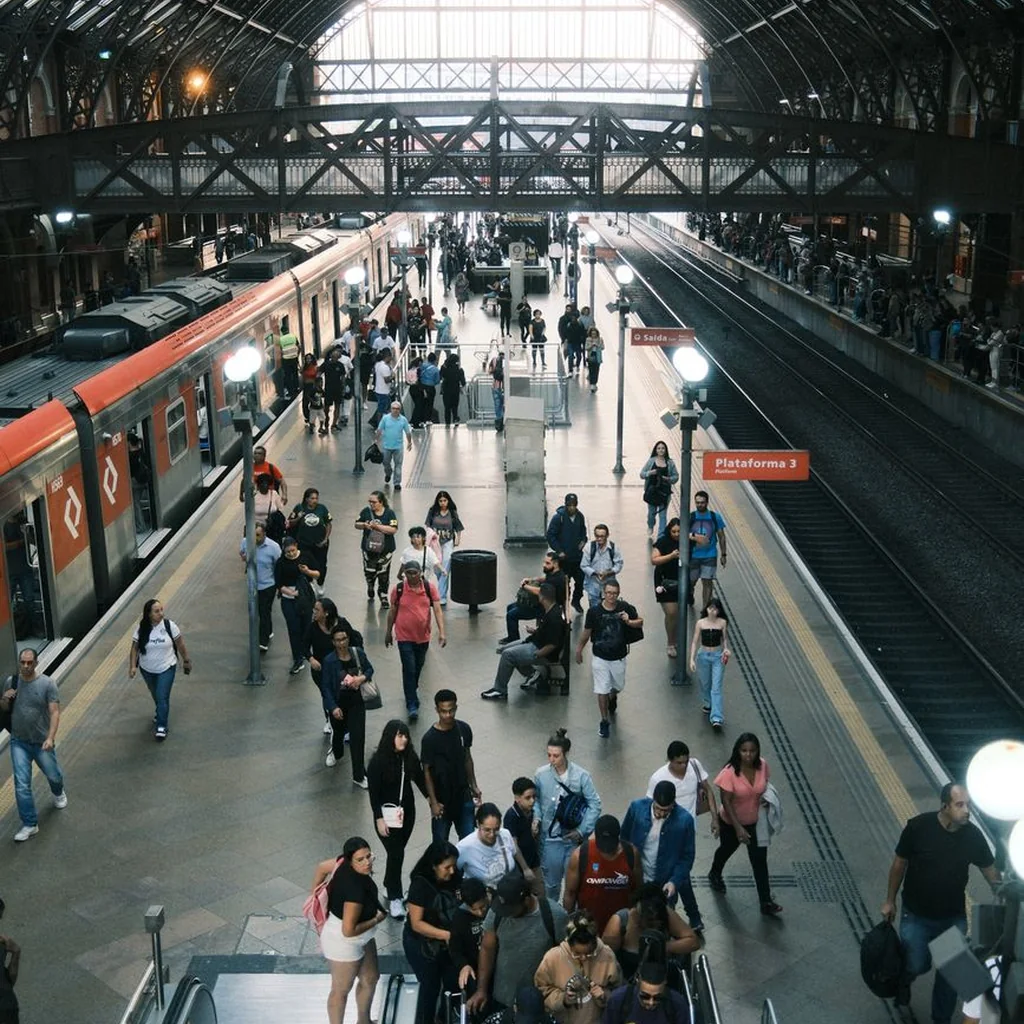
Mathieu waits for his train in a crowded station, holding a very hot coffee, when he spots a woman across the platform.
Three short parts. Read each part in French first; tap “Show English” under a paragraph when you need the translation.


Part 1
Mathieu attend son train au milieu d’une foule de voyageurs. Il tient un café trop chaud et regarde le panneau des départs quand il aperçoit une femme de l’autre côté du quai.
Show EnglishHide English
Mathieu is waiting for his train in the middle of a crowd of travelers. He is holding a coffee that is too hot and looking at the departures board when he spots a woman on the other side of the platform.
Il la reconnaît tout de suite. Trois ans plus tôt, ils avaient parlé pendant deux heures dans un petit café, un dimanche de pluie.
Show EnglishHide English
He recognizes her right away. Three years earlier, they had talked for two hours in a small café on a rainy Sunday.
Ils avaient ri de leurs mauvaises habitudes, de leurs voisins et de leurs essais en cuisine. Mathieu se souvient surtout qu’il n’avait pas eu besoin de chercher ses mots avec elle.
Show EnglishHide English
They had laughed about their bad habits, their neighbors, and their attempts at cooking. What Mathieu remembers most is that he had not needed to search for words when he was with her.
Au moment de partir, il avait voulu lui demander son numéro, mais son téléphone avait sonné. Il avait répondu, puis elle était montée dans un bus en lui faisant signe.
Show EnglishHide English
When it was time to leave, he had wanted to ask for her number, but his phone had rung. He answered, and then she got on a bus and waved to him.
Depuis, il avait parfois repensé à cette conversation. Il s’était demandé s’il la reverrait un jour.
Show EnglishHide English
Since then, he had sometimes thought back to that conversation. He had wondered whether he would ever see her again.
Aujourd’hui, elle porte un grand sac rouge et regarde son téléphone. Mathieu fait un pas vers elle, puis s’arrête. Et si elle ne se souvenait pas de lui ?
Show EnglishHide English
Today, she is carrying a large red bag and looking at her phone. Mathieu takes a step toward her, then stops. What if she does not remember him?
Une annonce retentit. Les voyageurs se déplacent, et Mathieu manque de renverser son café sur son manteau.
Show EnglishHide English
An announcement rings out. The travelers move, and Mathieu nearly spills his coffee on his coat.
Quand il relève la tête, la femme le regarde. Elle sourit, puis traverse lentement la foule dans sa direction.
Show EnglishHide English
When he looks up, the woman is looking at him. She smiles, then slowly makes her way through the crowd toward him.
Part 2Le train de Mathieu(Mathieu’s Train)
Mathieu pose vite son café sur une poubelle. La femme s’arrête devant lui et incline la tête, comme pour mieux voir son visage.
Show EnglishHide English
Mathieu quickly puts his coffee on top of a trash can. The woman stops in front of him and tilts her head, as if to get a better look at his face.
« On se connaît, non ? » demande-t-elle.
Show EnglishHide English
“We know each other, don’t we?” she asks.
Mathieu sent ses joues devenir chaudes. « On a parlé dans un café, il y a quelques années. Un dimanche où il pleuvait beaucoup. »
Show EnglishHide English
Mathieu feels his cheeks grow warm. “We talked in a café a few years ago. On a Sunday when it was raining hard.”
Elle le regarde encore une seconde, puis ses yeux s’éclairent. « Oui ! Vous aviez essayé de faire un gâteau pour votre voisin. »
Show EnglishHide English
She looks at him for another second, then her eyes light up. “Yes! You had tried to make a cake for your neighbor.”
« Un gâteau qui ressemblait à une soupe », répond Mathieu. « Je suis content que vous vous en souveniez. »
Show EnglishHide English
“A cake that looked like soup,” Mathieu replies. “I’m glad you remember.”
Elle rit et lui dit qu’elle s’appelle Élodie. Il lui donne son prénom, même s’il croit le lui avoir déjà dit au café.
Show EnglishHide English
She laughs and tells him her name is Élodie. He gives her his first name, although he thinks he already told her at the café.
Ils restent un moment sans parler. Autour d’eux, les gens avancent avec leurs valises. Mathieu voudrait retrouver la facilité de leur première conversation, mais il ne sait pas par où commencer.
Show EnglishHide English
They stand quietly for a moment. Around them, people move along with their suitcases. Mathieu would like to find the ease of their first conversation again, but he does not know where to begin.
« Vous attendez quel train ? » demande enfin Élodie.
Show EnglishHide English
“Which train are you waiting for?” Élodie finally asks.
Il lui montre le panneau. Ils prennent le même train, mais Mathieu remarque alors que son café est toujours sur la poubelle, derrière un groupe de voyageurs. Élodie suit son regard.
Show EnglishHide English
He points to the board. They are taking the same train, but Mathieu then notices that his coffee is still on the trash can, behind a group of travelers. Élodie follows his gaze.
« Je vous attends ici ? »
Show EnglishHide English
“Should I wait for you here?”
Part 3Le numéro d’Élodie(Élodie’s Number)
« Oui, je reviens tout de suite », répond Mathieu. Il se glisse entre deux voyageurs, récupère son café et revient auprès d’Élodie.
Show EnglishHide English
“Yes, I’ll be right back,” Mathieu replies. He slips between two travelers, retrieves his coffee, and returns to Élodie.
« J’ai cru que quelqu’un allait le prendre », dit-il.
Show EnglishHide English
“I thought someone was going to take it,” he says.
« Il est encore chaud ? » demande-t-elle. Mathieu touche le gobelet avec précaution : le café est toujours aussi brûlant.
Show EnglishHide English
“Is it still hot?” she asks. Mathieu carefully touches the cup: the coffee is still just as scalding.
Il vérifie alors ses poches pour s’assurer qu’il a bien son billet. Élodie rit en le voyant faire, puis elle lui raconte qu’elle perd souvent ses lunettes alors qu’elles sont sur sa tête.
Show EnglishHide English
Then he checks his pockets to make sure he has his ticket. Élodie laughs when she sees him do this, then tells him that she often loses her glasses even when they are on her head.
Mathieu se détend. Il lui demande si elle cuisine toujours autant. « Oui, mais maintenant je lis la recette jusqu’au bout », dit-elle.
Show EnglishHide English
Mathieu relaxes. He asks if she still cooks as much as before. “Yes, but now I read the recipe all the way to the end,” she says.
Le train entre en gare. Ils montent dans la même voiture et trouvent deux places libres, l’une en face de l’autre.
Show EnglishHide English
The train pulls into the station. They board the same carriage and find two empty seats, one facing the other.
Avant de s’asseoir, Mathieu sort son téléphone. « Cette fois, est-ce que je peux vous demander votre numéro ? »
Show EnglishHide English
Before sitting down, Mathieu takes out his phone. “This time, may I ask for your number?”
« Avec plaisir », répond Élodie. Elle lui donne son numéro, puis il lui envoie un message pour qu’elle ait le sien.
Show EnglishHide English
“I’d be happy to,” Élodie replies. She gives him her number, then he sends her a message so she will have his.
Le train démarre. Mathieu range enfin son téléphone et lui demande ce qu’elle a cuisiné récemment. Élodie commence son récit avec un grand sourire.
Show EnglishHide English
The train starts moving. Mathieu finally puts his phone away and asks her what she has cooked recently. Élodie begins her story with a big smile.
Practise this French story
Vocabulary in context
Important words and phrases
tout de suite
adverbright away
Je l’ai reconnu tout de suite.
I recognized him right away.
chercher ses mots
phraseto search for the right words
Quand je suis stressé, je cherche parfois mes mots.
When I’m stressed, I sometimes search for my words.
en lui faisant signe
phraseby waving at him
Elle est partie en lui faisant signe.
She left, waving at him.
faire un pas vers elle
phraseto take a step toward her
Il a fait un pas vers elle.
He took a step toward her.
avec précaution
phrasecarefully
Il a pris le verre avec précaution.
He took the glass carefully.
se détendre
verb phraseto relax
Après quelques minutes, il se détend.
After a few minutes, he relaxes.
jusqu’au bout
phraseto the end
Lis l’article jusqu’au bout.
Read the article to the end.
avec plaisir
phrasegladly
— Tu peux m’aider ? — Avec plaisir.
— Can you help me? — Gladly.
Je reviens tout de suite
phraseI’ll be right back
Attends ici, je reviens tout de suite.
Wait here, I’ll be right back.
on se connaît
phrasewe know each other / do we know each other?
On se connaît depuis longtemps ?
Have we known each other for a long time?
Check your understanding
Comprehension questions
Choose an answer, check it, then move to the next question.
Question 1 of 3
- Question 1: current not answered
- Question 2: not answered
- Question 3: not answered
Notice the language
Language notes
s’en souvenir
Use s’en souvenir when the thing you remember has already been mentioned or is clear from context. The pronoun en replaces that idea, so you do not repeat it. This is useful in everyday conversation when you want to say that you remember a person, a moment, or a story already known to both speakers. Example: « Je m’en souviens encore. »
Je m’en souviens encore.
I still remember it.
More French stories to read next
La bouilloire au magasin
The Kettle at the Store
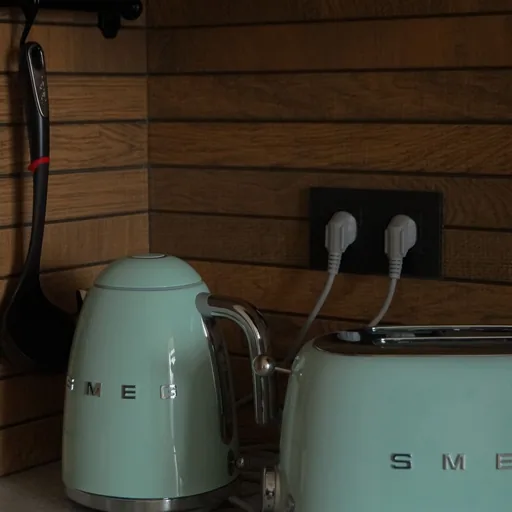
At a store, Clara brings back a kettle she bought three weeks ago because it stops before the water gets hot.

La fête d’été sous la pluie
The Summer Celebration in the Rain
On Saturday, Clara arrives first in the village field and must set out one hundred chairs before the guests arrive at noon.

Le concert de l’école
The School Concert
At the school concert, Léna waits backstage with her flute, but she cannot see her parents in the audience.
La phrase oubliée
The Forgotten Sentence
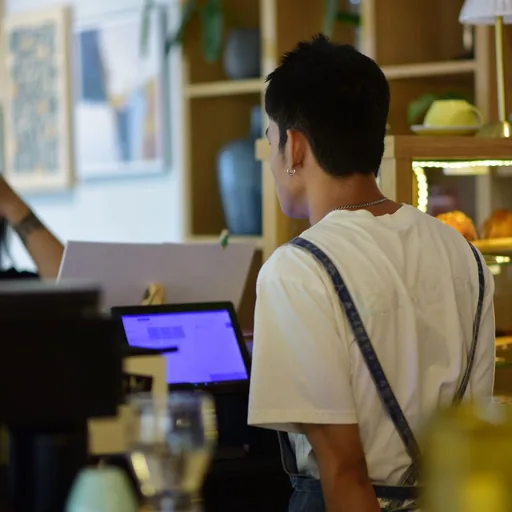
Michel, newly arrived in France, rehearses ordering coffee in French at home because he wants to order without looking at his phone.