
Photo: IVAN PANDURO CANAYO on Pexels
The Wrong White Car
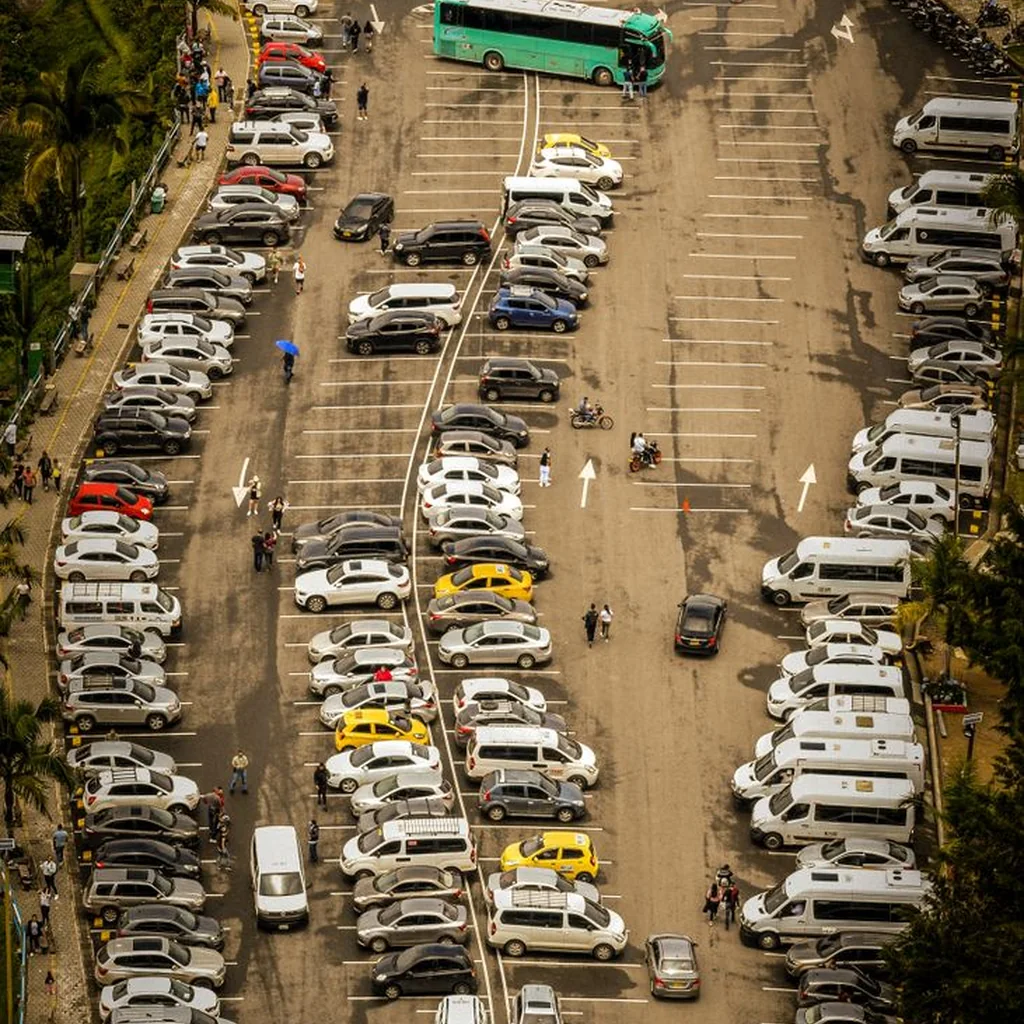
At a garden centre car park, James cannot tell which of several identical white cars is his rental car.
Three short parts. Read each part once for the main idea, then check the key words explained below the story.


Part 1
James came out of the garden centre carrying a large plant and stopped at the edge of the car park. He had been inside for only twenty minutes, but the row where he had left his rental car seemed much longer than he remembered.
There were at least six white cars in it, all the same size and shape. He had picked up the car that morning and had been too busy adjusting the mirrors to look closely at it.
He put the plant down and pressed the button on the key. Nothing happened. He tried again, holding the key above his head as if that might help.
A woman loading bags into a nearby car watched him. “Looking for yours?” she asked.
“I thought I knew where it was,” James said. “Apparently, I just knew it was white.”
She smiled and returned to her bags. James walked along the row, pressing the button beside each car. At the fourth one, he heard a click. Relieved, he pulled the handle, but the door stayed shut.
The woman was standing behind him now, holding her own key. “Sorry,” she said. “That click was me.”
James stepped back from her car, his face warm. Then he noticed a small blue sticker on the key in his hand.
Part 2The Blue Sticker
The sticker had a number on it: 42. James showed it to the woman, who pointed to the numbered spaces painted on the ground.
“Maybe you parked in that space,” she said. “It’s worth a try.”
James found space 42 near the far end of the row. A white car stood there, and this time, when he pressed the button, its lights flashed. He opened the door and laughed with relief.
“Thank you,” he called. “I owe you a plant.”
“I’ve got enough to carry,” she said, closing her boot.
James went back for his plant and carefully placed it on the passenger seat. As he reached across to fasten the seat belt around the pot, he noticed a shopping list on the floor. It was written on the back of a copy of his rental agreement.
He picked it up, expecting to see someone else’s name. Instead, he saw his own. He had written the list while waiting for the car that morning and forgotten all about it.
He showed the woman, who was still settling into her car. “At least I know it’s mine,” he said.
Then he looked at the list again. He had bought the plant, but forgotten the potting soil.
Part 3A Quick Trip to the Garden Centre
James stood beside the open car door, looking from the list to the garden centre. He had promised to bring the soil home along with the plant, and his wife was waiting to put both on the balcony.
The woman lowered her window. “Everything all right?”
“I have to go back in,” he said. “I’m afraid I’ll lose the car again.”
She pointed at the space. “Forty-two. And perhaps take a photo this time.”
James took a picture of the car and its number plate, then made sure the doors were locked. Inside, he found the soil near the entrance and joined the queue. The cashier smiled when he returned.
“Forgot something?” she asked.
“Just the soil. I nearly forgot where I parked, too.”
She glanced at his phone. “Good idea,” she said, seeing the photo on the screen.
A few minutes later, James found space 42 without any trouble. The woman had gone, and the space where her car had been was empty.
He put the bag of soil in the boot and checked that the plant was still secure. Then he got in, adjusted the mirror once more, and drove home, smiling at the thought of telling his wife why a quick shopping trip had taken so long.
Practise this English story
Vocabulary in context
Important words and phrases
rental car
noun phraseMeaning: a car you pay to use for a short time
The row where he had left his rental car seemed much longer than he remembered.
adjusting the mirrors
verb phraseMeaning: changing the mirrors so they are in the right position
He had picked up the car that morning and had been too busy adjusting the mirrors to look closely at it.
at least
adverb phraseMeaning: not less than; maybe more
There were at least six white cars in it, all the same size and shape.
press the button
verb phraseMeaning: push a button with your finger
He put the plant down and pressed the button on the key.
relieved
adjectiveMeaning: feeling happy because a worry has ended
Relieved, he pulled the handle, but the door stayed shut.
worth a try
phraseMeaning: a good idea to try, even if it may not work
“Maybe you parked in that space,” she said. “It’s worth a try.”
number plate
noun phraseMeaning: the sign on a car with its registration number
James took a picture of the car and its number plate, then made sure the doors were locked.
potting soil
noun phraseMeaning: soil used for growing plants in pots
He had bought the plant, but forgotten the potting soil.
queue
nounMeaning: a line of people waiting for something
Inside, he found the soil near the entrance and joined the queue.
apparently
adverbMeaning: used when you learn that something is true, often after thinking differently
“I thought I knew where it was,” James said. “Apparently, I just knew it was white.”
Check your understanding
Comprehension questions
Choose an answer, check it, then move to the next question.
Question 1 of 3
- Question 1: current not answered
- Question 2: not answered
- Question 3: not answered
Notice the language
Language notes
I'm afraid + clause
Use “I’m afraid + clause” to say that you are worried something bad will happen, as James does here. The same phrase is also used to give bad news or say no politely, for example “I’m afraid the shop is closed.” Example: “I’m afraid I’ll lose the car again.”
I’m afraid I’ll lose the car again.
More English stories to read next
The First Dance
At an anniversary party, Grandpa Charlie is asked to dance with Isla, but his sore knee hurts as everyone watches.
Locked Out by the Rules
At a concert hall, Robert holds the door for a latecomer, but an usher sends them both back to the entrance until the interval.
The Message at 5:02
Ava messages Ethan about their history project after he says he may choose another partner, but he reads her message and does not reply.
Learning to Cut Their Own Food
At dinner, John realizes his children can cut their own food, and he feels quiet without the job he has done for years.