
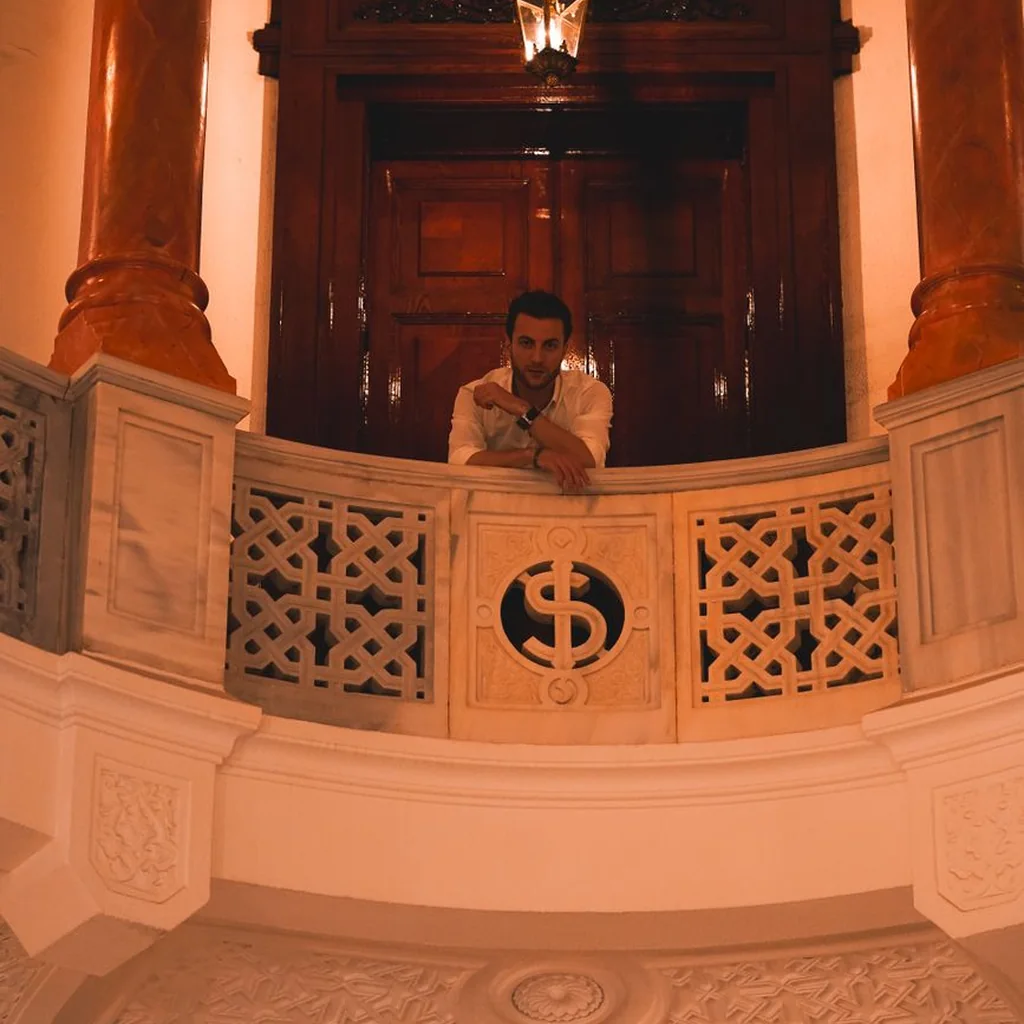
Photo: Fatih Güney on Pexels
Locked Out by the Rules
At a concert hall, Robert holds the door for a latecomer, but an usher sends them both back to the entrance until the interval.
Three short parts. Read each part once for the main idea, then check the key words explained below the story.


Part 1
Robert had only meant to step out of the concert hall for a moment. His throat was dry, and he had seen a water fountain in the entrance hall. He was just coming back when a woman hurried through the outside doors, holding a ticket and a damp umbrella.
“Is it too late?” she whispered.
Robert glanced at the doors to the hall. Through the small window, he could see the orchestra on stage. “I think they’ve only just started,” he said, and held one of the doors open for her.
The woman slipped past him, but before either of them could go inside, an usher raised a hand. She shook her head and waved them both back into the entrance hall.
“I’m sorry,” the usher whispered, letting the door close. “You’ll have to wait until the interval.”
“But I was already inside,” Robert said. “I only went out for some water.”
“I’m afraid the rule applies once the music has started.” The usher gave him a sympathetic smile, then returned to her place by the door.
The woman folded her umbrella. “I’m sorry. You held the door for me, and now you’re stuck out here.”
Robert was about to say it didn’t matter when the usher came back. “Could I see your tickets, please?”
The woman handed hers over. Robert reached into his pocket, then checked the other one.
Part 2The Ticket at the Concert
Robert checked his jacket pockets again, more slowly this time. Then he remembered placing his ticket on the empty seat beside him while he took off his coat. It must still be there.
“I left it inside,” he said. “Row G, seat twelve.”
The usher looked at him for a moment. “You came in just before the concert started, didn’t you? I remember showing you to your row.”
Robert nodded, relieved. “Yes, that was me.”
“That’s all right, then. I’ll let you back in when the interval starts.” She returned the woman’s ticket and went back to the door.
Robert sat on a bench beside the water fountain. The woman sat at the other end, carefully keeping her wet umbrella away from his shoes.
“I should have checked the time,” she said. “I stopped for coffee, and the queue was much longer than I expected.”
Robert heard the irritation in his own voice when he replied. “I wouldn’t have opened the door if I’d known they’d keep me out too.”
The woman stared down at her ticket. “No, I suppose you wouldn’t.”
Robert wished he could take the words back. He could hear the music faintly through the doors, and the silence between them felt louder.
He turned towards her. “I’m sorry. That was unfair.”
She smiled a little and looked at her ticket again. “Can you make out the seat number? The rain got to it before I came in.”
Part 3The Lost Ticket
Robert leaned closer. The ink on the ticket had run, but after a moment he could make out the row and most of the seat number.
“G, thirteen, I think,” he said. “That’s next to me.”
The woman laughed. “So I’ll have to sit beside the man I kept out of the concert.”
“I think we both know it was the coffee queue,” Robert said. “And I could have looked for the usher before I opened the door.”
They sat together on the bench and listened to the music through the doors. The sound was faint, but Robert recognised the tune they had been playing when he left his seat. When it ended, applause filled the hall.
The usher opened the doors and called them over. “It’s the interval now. Let’s have another look at that ticket.”
She held it under the light and confirmed the number. Then she led them to row G, where Robert’s ticket was lying on seat thirteen, beside his coat.
“I’m glad no one sat on it,” he said, picking it up and moving his coat onto his own seat.
The woman hung her umbrella on the back of her chair. “I’m glad you found it. And I’m sorry you missed the music.”
“I did hear some of it,” Robert said. “Next time, though, I’ll get my water before the concert.”
She smiled, and they settled into their seats as the orchestra came back on stage.
Practise this English story
Vocabulary in context
Important words and phrases
water fountain
nounMeaning: a place that gives drinking water
He sat on a bench beside the water fountain.
usher
nounMeaning: a person who shows people where to go in a theatre or concert hall
An usher raised a hand.
interval
nounMeaning: the break between parts of a show
You’ll have to wait until the interval.
queue
nounMeaning: a line of people waiting
I stopped for coffee, and the queue was much longer than I expected.
sympathetic
adjectiveMeaning: kind in a way that shows you understand someone's bad feeling
The usher gave him a sympathetic smile, then returned to her place by the door.
hold the door open
phraseMeaning: keep a door open so another person can go through
Robert held one of the doors open for her.
check the time
phraseMeaning: look at the time to know how late or early it is
I should have checked the time.
make out
phrasal verbMeaning: manage to see or read something that is not clear
The ink on the ticket had run, but after a moment he could make out the row and most of the seat number.
recognised
verbMeaning: knew who or what something was because it seemed familiar
Robert recognised the tune they had been playing when he left his seat.
applause
nounMeaning: noise people make when they clap to show they like something
When it ended, applause filled the hall.
Check your understanding
Comprehension questions
Choose an answer, check it, then move to the next question.
Question 1 of 3
- Question 1: current not answered
- Question 2: not answered
- Question 3: not answered
Notice the language
Language notes
If I'd known ..., I wouldn't have ...
This pattern talks about a past situation you did not know about, and a different result you would have chosen. Use if + had + past participle for the condition, and would have + past participle for the result. It is useful for regrets, blame, or different past choices. Example: 'If I'd known the train was so late, I would have left earlier.'
If I'd known the train was so late, I would have left earlier.
More English stories to read next
The Message at 5:02
Ava messages Ethan about their history project after he says he may choose another partner, but he reads her message and does not reply.
The Wrong White Car
At a garden centre car park, James cannot tell which of several identical white cars is his rental car.
The First Dance
At an anniversary party, Grandpa Charlie is asked to dance with Isla, but his sore knee hurts as everyone watches.
Learning to Cut Their Own Food
At dinner, John realizes his children can cut their own food, and he feels quiet without the job he has done for years.