
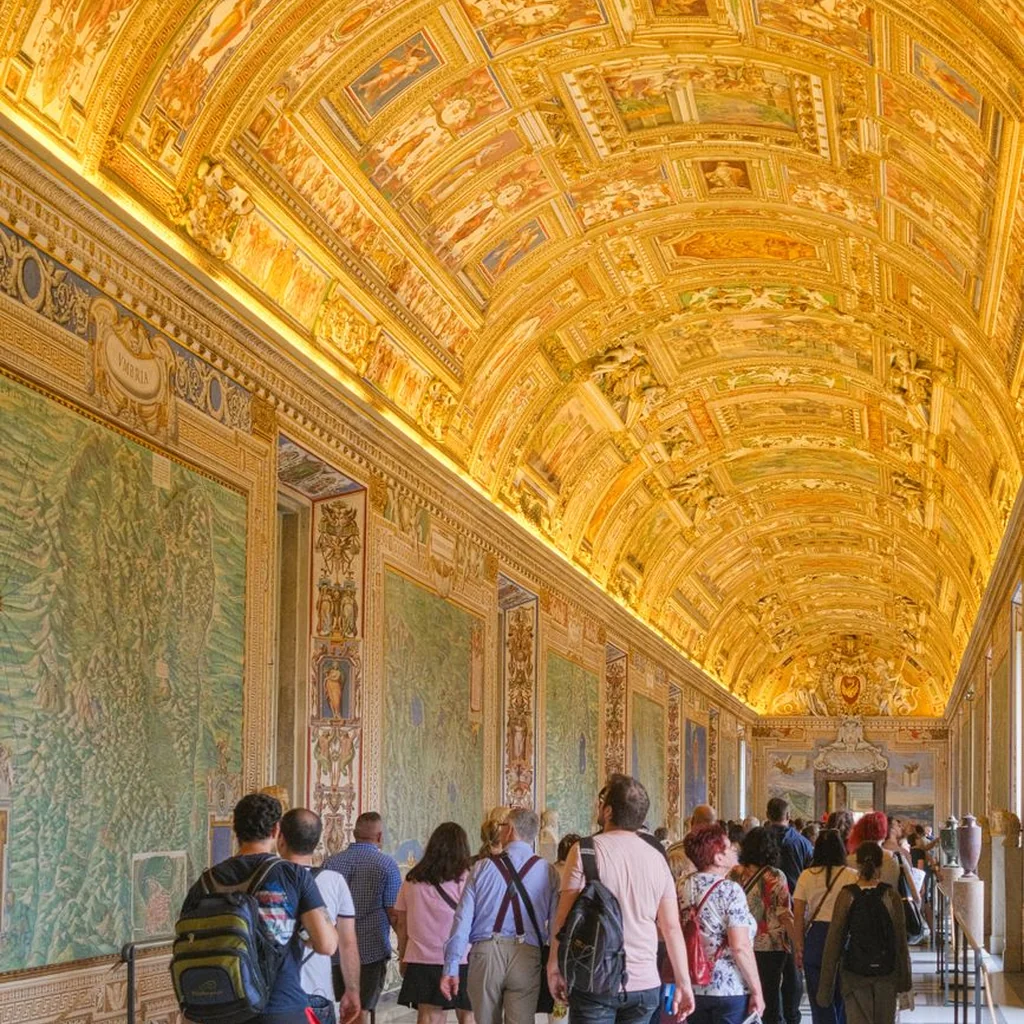
Photo: imren tutuncu on Pexels
Tomás en el museo
Tomás at the Museum
During a class visit to a museum, Tomás presses his face to the glass of a dinosaur exhibit and sets off a quiet alarm.
Three short parts. Read each part in Spanish first; tap “Show English” under a paragraph when you need the translation.


Part 1
Tomás visita el museo con su clase. Le gustan mucho los animales prehistóricos y camina despacio por las salas. De pronto, ve el esqueleto de un dinosaurio detrás de un cristal.
Show EnglishHide English
Tomás visits the museum with his class. He really likes prehistoric animals and walks slowly through the rooms. Suddenly, he sees a dinosaur skeleton behind glass.
Tomás se acerca para verlo mejor. Pega la cara al vidrio y mira los grandes dientes del dinosaurio. Entonces suena una alarma muy baja: «pi, pi, pi». Casi nadie la oye, pero una luz roja empieza a parpadear.
Show EnglishHide English
Tomás moves closer to see it better. He puts his face against the glass and looks at the dinosaur’s big teeth. Then a very quiet alarm sounds: “beep, beep, beep.” Almost nobody hears it, but a red light starts to flash.
—Tomás, aléjate del cristal —dice su profesora.
Show EnglishHide English
“Tomás, move away from the glass,” says his teacher.
El niño se separa rápidamente. Está rojo y mira a sus compañeros, que están muy callados. Llega un guardia y observa la vitrina. No parece enfadado, pero habla con voz seria.
Show EnglishHide English
The boy quickly steps back. His face is red, and he looks at his classmates, who are very quiet. A guard comes over and looks at the display case. He does not seem angry, but he speaks in a serious voice.
—¿Has tocado el cristal? —pregunta.
Show EnglishHide English
“Did you touch the glass?” he asks.
Tomás baja la cabeza. Quiere decir que solo quería ver mejor, pero también sabe que no debe tocar las cosas del museo. Abre la boca para responder mientras la alarma continúa sonando suavemente.
Show EnglishHide English
Tomás lowers his head. He wants to say that he only wanted to see better, but he also knows that he must not touch things in the museum. He opens his mouth to answer while the alarm continues to sound softly.
Part 2La línea amarilla(The Yellow Line)
—No, señor. No lo he tocado —responde Tomás—. Solo he acercado mucho la cara.
Show EnglishHide English
“No, sir. I didn’t touch it,” Tomás answers. “I only brought my face very close.”
El guardia mira a la profesora y después observa el cristal. Pulsa un botón pequeño. La alarma deja de sonar, pero la luz roja continúa encendida.
Show EnglishHide English
The guard looks at the teacher and then at the glass. He presses a small button. The alarm stops, but the red light stays on.
—Está bien —dice—. Este sensor avisa cuando alguien se acerca demasiado. El cristal es muy especial.
Show EnglishHide English
“It’s all right,” he says. “This sensor gives a warning when someone gets too close. The glass is very special.”
Tomás escucha con atención. Se siente un poco avergonzado.
Show EnglishHide English
Tomás listens carefully. He feels a little embarrassed.
—Lo siento. No quería causar problemas.
Show EnglishHide English
“I’m sorry. I didn’t want to cause trouble.”
—Lo sé —responde el guardia—. Pero hay que mirar desde detrás de la línea amarilla.
Show EnglishHide English
“I know,” the guard replies. “But you have to look from behind the yellow line.”
Señala una línea en el suelo. Tomás vuelve con sus compañeros y se coloca detrás de ella. Ahora ve el dinosaurio un poco más lejos, pero todavía puede ver sus dientes.
Show EnglishHide English
He points to a line on the floor. Tomás goes back to his classmates and stands behind it. Now he sees the dinosaur from a little farther away, but he can still see its teeth.
La profesora sonríe y dice:
Show EnglishHide English
The teacher smiles and says:
—Tomás, ¿quieres contarles a todos qué has aprendido?
Show EnglishHide English
“Tomás, would you like to tell everyone what you learned?”
Tomás mira a sus compañeros. La luz roja sigue encendida. Él levanta la mano, pero no sabe si debe hablar o esperar.
Show EnglishHide English
Tomás looks at his classmates. The red light is still on. He raises his hand, but he doesn’t know whether he should speak or wait.
Part 3La visita al museo(The Museum Visit)
Tomás levanta la mano.
Show EnglishHide English
Tomás raises his hand.
—He aprendido que los dinosaurios eran muy grandes y que sus huesos están en el museo para que todos podamos verlos. También he aprendido que no debemos tocar el cristal —dice.
Show EnglishHide English
“I learned that dinosaurs were very big and that their bones are in the museum so we can all see them. I also learned that we must not touch the glass,” he says.
—Muy bien —responde la profesora—. Y debemos mirar desde detrás de la línea amarilla.
Show EnglishHide English
“Very good,” the teacher replies. “And we must look from behind the yellow line.”
El guardia sonríe y pulsa otro botón. La luz roja se apaga.
Show EnglishHide English
The guard smiles and presses another button. The red light goes out.
—Ya está. El sensor funciona bien —explica—. Gracias por escucharme.
Show EnglishHide English
“That’s it. The sensor is working well,” he explains. “Thank you for listening to me.”
Tomás mira de nuevo al dinosaurio, esta vez desde lejos. Sus compañeros también observan la vitrina, pero nadie se acerca demasiado.
Show EnglishHide English
Tomás looks at the dinosaur again, this time from far away. His classmates also look at the display case, but nobody gets too close.
—Lo siento —dice Tomás al guardia—. La próxima vez miraré desde detrás de la línea.
Show EnglishHide English
“I’m sorry,” Tomás says to the guard. “Next time I’ll look from behind the line.”
—Eso es —responde él—. Así todos pueden disfrutar del museo.
Show EnglishHide English
“That’s right,” he replies. “That way everyone can enjoy the museum.”
La profesora pide a la clase que continúe la visita. Tomás camina con sus compañeros. Ahora se siente tranquilo y contento. Ha aprendido algo nuevo sobre los dinosaurios y también una regla importante del museo.
Show EnglishHide English
The teacher asks the class to continue the visit. Tomás walks with his classmates. Now he feels calm and happy. He has learned something new about dinosaurs and also an important rule of the museum.
Practise this Spanish story
Vocabulary in context
Important words and phrases
museo
nounmuseum
Vamos al museo hoy.
We are going to the museum today.
clase
nounclass
Mi clase visita el museo.
My class visits the museum.
animales prehistóricos
noun phraseprehistoric animals
A Tomás le gustan los animales prehistóricos.
Tomás likes prehistoric animals.
esqueleto
nounskeleton
El esqueleto está detrás del cristal.
The skeleton is behind the glass.
dinosaurio
noundinosaur
Vemos un dinosaurio grande en el museo.
We see a big dinosaur in the museum.
cristal
nounglass
No toques el cristal.
Don't touch the glass.
alarma
nounalarm
La alarma suena.
The alarm is sounding.
guardia
nounguard
El guardia habla con voz seria.
The guard speaks in a serious voice.
línea amarilla
noun phraseyellow line
Debemos mirar desde detrás de la línea amarilla.
We must look from behind the yellow line.
vitrina
noundisplay case
El dinosaurio está en la vitrina.
The dinosaur is in the display case.
Check your understanding
Comprehension questions
Choose an answer, check it, then move to the next question.
Question 1 of 3
- Question 1: current not answered
- Question 2: not answered
- Question 3: not answered
Notice the language
Language notes
Hay que + infinitivo
This pattern means that something is necessary or required, without saying who must do it. In the story, "Hay que mirar desde detrás de la línea amarilla" means "It is necessary to look from behind the yellow line." You can reuse it for rules and advice, for example: "Hay que esperar" and "Hay que leer.".
Hay que mirar desde detrás de la línea amarilla.
It is necessary to look from behind the yellow line.
More Spanish stories to read next
El teléfono en la biblioteca
The Phone in the Library
A woman’s phone keeps buzzing in a quiet library while she tries to decide how to handle the calls.
La carpeta vieja
The Old Folder
While cleaning a closet, Ana finds her school reports and discovers that her quiet father kept them all.
Las cerillas en el río
The Matches in the River
While camping by a river, Carlos and Ana try to find a way to light a fire after their matches fall into the water.
La plancha en el gimnasio
The Plank at the Gym
At the gym, Marta does a plank while Ana uses her phone to time her.