
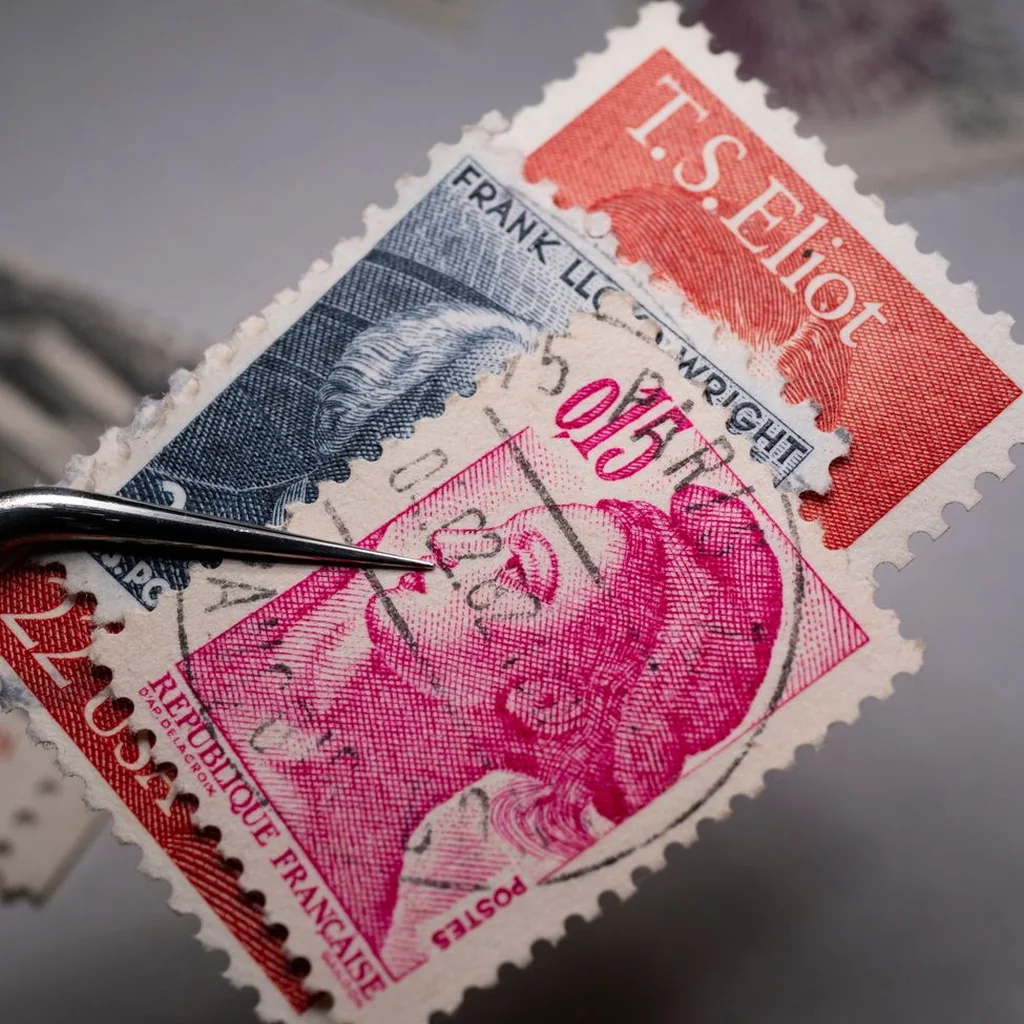
우체국에서 보낸 엽서
The Postcard from the Post Office
On the last morning of his trip, Minsu is at a small post office, unsure which foreign coins will pay to mail a postcard to his mother in Korea.
Three short parts. Read each part in Korean first; tap “Show English” under a paragraph when you need the translation.


Part 1
민수는 여행을 떠나기 전에 어머니에게 엽서를 보내겠다고 약속했다. 마지막 날 아침, 그는 작은 우체국 앞에서 가방을 내려놓고 엽서를 다시 읽었다.
Show EnglishHide English
Before leaving on his trip, Minsu promised his mother he would send her a postcard. On the last morning, he set down his bag in front of a small post office and read the postcard again.
엽서 앞면에는 바닷가 사진이 있었다. 민수는 뒷면에 잘 지내고 있으니 걱정하지 말라고 썼다.
Show EnglishHide English
There was a picture of the seaside on the front of the postcard. On the back, Minsu had written that he was doing well and she should not worry.
우체국 안에는 손님이 두 명 있었다. 민수는 번호표를 뽑고 주머니에서 동전을 꺼냈다.
Show EnglishHide English
There were two customers inside the post office. Minsu took a number ticket and pulled some coins from his pocket.
동전은 크기도 색깔도 달랐다. 큰 은색 동전 하나와 작은 금색 동전 둘, 그리고 가운데에 구멍이 난 동전 세 개가 있었다.
Show EnglishHide English
The coins were different in size and color. There was one large silver coin, two small gold coins, and three coins with holes in the middle.
그는 어제 빵을 살 때 가게 주인이 거슬러 준 동전을 떠올렸다. 하지만 어떤 동전이 얼마짜리였는지는 기억나지 않았다.
Show EnglishHide English
He remembered the coins the shopkeeper had given him as change when he bought bread the day before. But he could not remember how much any of the coins were worth.
민수는 벽에 붙은 안내문을 바라보았다. 엽서 그림 옆에 숫자가 적혀 있었지만, 그 숫자가 한국까지 보내는 요금인지는 알 수 없었다.
Show EnglishHide English
Minsu looked at the notice on the wall. There was a number beside a picture of a postcard, but he could not tell if that was the postage to Korea.
자기 번호가 불리자 민수는 창구로 갔다. 직원은 웃으며 엽서를 받아 들고 어디로 보내는지 물었다.
Show EnglishHide English
When his number was called, Minsu went to the counter. The clerk smiled, took the postcard, and asked where he wanted to send it.
“한국이요. 우표 한 장 주세요.”
Show EnglishHide English
“Korea. One stamp, please.”
직원은 계산기에 요금을 찍어 보여 주었다. 민수는 고개를 끄덕였지만, 손바닥 위의 동전들은 여전히 낯설었다.
Show EnglishHide English
The clerk entered the postage on a calculator and showed it to him. Minsu nodded, but the coins in his palm still seemed unfamiliar.
그는 가장 큰 동전을 내밀었다. 직원이 미안한 표정으로 고개를 저으며 동전을 더 달라고 하자, 뒤에서 기다리던 손님이 한 걸음 앞으로 다가왔다.
Show EnglishHide English
He held out the largest coin. The clerk shook his head with an apologetic look and asked for more coins. The customer waiting behind Minsu stepped forward.
Part 2동전과 우편번호(Coins and a Postal Code)
민수는 뒤를 돌아보았다. 손님은 급한 표정이 아니라 친절한 얼굴로 그의 손바닥을 가리켰다.
Show EnglishHide English
Minsu turned around. The customer did not look impatient, but pointed at his palm with a friendly face.
“같이 볼까요? 저도 처음 왔을 때는 동전이 헷갈렸어요.”
Show EnglishHide English
“Shall we look at them together? I was confused by the coins too when I first arrived.”
민수는 안도하면서도 얼굴이 조금 뜨거워졌다. 뒤에 사람이 기다리는데 동전 때문에 시간을 끄는 것 같아 미안했다.
Show EnglishHide English
Minsu felt relieved, but his face grew a little warm. He felt sorry, thinking he was holding things up over the coins while someone waited behind him.
손님은 구멍이 난 동전 세 개를 골랐다. 직원도 고개를 끄덕였고, 민수는 그것들을 큰 동전과 함께 창구에 올려놓았다.
Show EnglishHide English
The customer picked out the three coins with holes. The clerk nodded too, and Minsu put them on the counter along with the large coin.
직원이 동전을 세더니 우표를 꺼냈다. 민수는 겨우 계산을 마쳤다는 생각에 크게 웃었다.
Show EnglishHide English
The clerk counted the coins and took out a stamp. Minsu laughed loudly, thinking he had finally worked it out.
“정말 감사합니다. 저는 큰 동전이면 무조건 값도 큰 줄 알았어요.”
Show EnglishHide English
“Thank you so much. I thought the biggest coin was always worth the most.”
“저도 그랬어요. 크기가 아니라 숫자를 보셔야 해요.”
Show EnglishHide English
“I thought that too. You have to look at the number, not the size.”
민수는 손님의 말을 듣고 남은 동전을 다시 살펴보았다. 작은 금색 동전에 적힌 숫자가 큰 은색 동전의 숫자보다 컸다.
Show EnglishHide English
After hearing the customer, Minsu looked over the coins he had left. The number on a small gold coin was larger than the number on the large silver coin.
그때 직원이 엽서 뒷면을 보고 무언가를 물었다. 민수는 알아듣지 못해 손님에게 도움을 청했다.
Show EnglishHide English
Just then, the clerk looked at the back of the postcard and asked something. Minsu did not understand, so he asked the customer for help.
손님은 주소를 보더니 말했다. “우편번호가 빠졌대요. 혹시 알고 계세요?”
Show EnglishHide English
The customer looked at the address and said, “They say the postal code is missing. Do you happen to know it?”
민수는 휴대전화를 꺼냈다. 집 주소는 외우고 있었지만, 우편번호까지는 생각나지 않았다.
Show EnglishHide English
Minsu took out his phone. He knew his home address by heart, but could not remember the postal code.
그는 어머니와 주고받은 메시지를 열어 예전에 받은 주소를 찾기 시작했다. 마침내 주소가 적힌 메시지가 보였지만, 그 주소는 어머니가 오래전에 이사하기 전의 주소였다.
Show EnglishHide English
He opened his messages with his mother and began looking for an address she had sent him before. At last, he found a message with an address, but it was the address from before his mother had moved a long time ago.
Part 3
민수는 잠시 손을 멈췄다. 어머니가 이사한 뒤에 새 주소를 보내 준 것도 기억났지만, 메시지가 너무 많아 바로 찾을 수 없었다.
Show EnglishHide English
Minsu paused for a moment. He remembered that his mother had sent him her new address after she moved, but there were so many messages that he could not find it right away.
“잠깐만요. 새 주소도 분명히 받았어요.”
Show EnglishHide English
“Just a moment. I’m sure I got her new address too.”
그는 검색창에 ‘우편번호’를 입력했다. 그러자 몇 달 전 어머니가 보낸 메시지가 화면에 나타났다.
Show EnglishHide English
He typed ‘postal code’ into the search box. A message his mother had sent several months ago appeared on the screen.
민수는 엽서에 적은 주소와 메시지를 한 줄씩 비교했다. 다행히 주소는 맞았고, 빠진 것은 우편번호뿐이었다.
Show EnglishHide English
Minsu compared the address on the postcard with the message, line by line. Luckily, the address was correct; only the postal code was missing.
그는 창구에 놓인 펜으로 숫자를 또박또박 적었다. 직원은 엽서를 다시 확인한 뒤 우표를 붙였다.
Show EnglishHide English
He carefully wrote the numbers with a pen from the counter. The clerk checked the postcard again and stuck on the stamp.
“이제 됐대요.” 옆에 있던 손님이 말했다.
Show EnglishHide English
“They say it’s all set now,” said the customer beside him.
민수는 직원이 엽서를 바로 보내 줄 줄 알았는데, 직원은 그것을 다시 그에게 건넸다. 손님이 문 옆에 있는 빨간 우체통을 가리켰다.
Show EnglishHide English
Minsu had thought the clerk would send the postcard right away, but the clerk handed it back to him. The customer pointed to the red mailbox beside the door.
민수는 두 사람에게 감사 인사를 하고 우체통 앞으로 갔다. 그리고 엽서를 넣기 전에 사진 속 바다를 한 번 더 바라보았다.
Show EnglishHide English
Minsu thanked them both and went to the mailbox. Before putting the postcard in, he looked once more at the sea in the picture.
함께 여행하고 싶다던 어머니가 이 사진을 보면 좋아할 것 같았다. 그는 엽서를 우체통에 넣고 가볍게 손을 흔들었다.
Show EnglishHide English
His mother, who had said she wanted to travel with him, would probably be happy to see this picture. He put the postcard in the mailbox and gave a light wave.
밖으로 나오자 아까 도와준 손님도 우체국에서 나왔다. 민수는 주머니 속 동전을 꺼내며 웃었다.
Show EnglishHide English
When he stepped outside, the customer who had helped him came out of the post office too. Minsu smiled as he took the coins from his pocket.
“이제 남은 동전은 숫자를 보고 쓸 수 있겠어요.”
Show EnglishHide English
“Now I’ll be able to use the coins by looking at the numbers.”
손님도 웃었다. 민수는 동전을 다시 주머니에 넣고, 어머니에게 엽서를 보냈다는 메시지를 쓰며 천천히 걸어갔다.
Show EnglishHide English
The customer smiled too. Minsu put the coins back in his pocket and walked slowly, writing a message to his mother to say he had sent the postcard.
Practise this Korean story
Vocabulary in context
Important words and phrases
여행을 떠나기 전에
phraseRomanization: yeohaeng-eul tteonagi jeone
before setting off on a trip
여행을 떠나기 전에 짐을 챙겼어요.
I packed my bags before setting off on the trip.
약속했다
verbRomanization: yaksokhaetda
promised
민수는 어머니에게 엽서를 보내겠다고 약속했어요.
Minsu promised his mother that he would send a postcard.
다시 읽었다
phraseRomanization: dasi ilgeotda
read again
그는 메모를 다시 읽었어요.
He read the note again.
뒷면
nounRomanization: dwinmyeon
back side
엽서 뒷면에 주소를 적었어요.
I wrote the address on the back of the postcard.
번호표를 뽑고
phraseRomanization: beonhopyo-reul ppopgo
took a queue number
사람이 많아서 먼저 번호표를 뽑고 기다렸어요.
There were many people, so I took a queue number and waited.
거슬러 준 동전
phraseRomanization: geoseulleo jun dongjeon
coins given back as change
가게 주인이 거슬러 준 동전을 세어 보았어요.
I counted the coins the shopkeeper gave me as change.
창구로 갔다
phraseRomanization: changguro gatda
went to the counter
민수는 창구로 가서 직원에게 물었어요.
Minsu went to the counter and asked the employee.
우편번호
nounRomanization: upyeonbeonho
postal code
우편번호를 정확히 적어야 해요.
You have to write the postal code correctly.
한 줄씩 비교했다
phraseRomanization: han julssik bigyohaetda
compared line by line
두 주소를 한 줄씩 비교했어요.
I compared the two addresses line by line.
우체통
nounRomanization: uchetong
mailbox
편지를 우체통에 넣었어요.
I put the letter in the mailbox.
Check your understanding
Comprehension questions
Choose an answer, check it, then move to the next question.
Question 1 of 3
- Question 1: current not answered
- Question 2: not answered
- Question 3: not answered
Notice the language
Language notes
동사-기 전에
Attach -기 전에 to a verb stem to mean 'before doing X.' It is useful when one action happens earlier than another, and you can reuse it for plans, routines, and warnings. Example: '여행을 떠나기 전에 짐을 챙겼어요.' = 'I packed my bags before setting off on the trip.'
민수는 여행을 떠나기 전에 어머니에게 엽서를 보내겠다고 약속했다.
Before leaving on his trip, Minsu promised his mother he would send her a postcard.
More Korean stories to read next
생일 파티를 기다리며
Waiting for the Birthday Party
At home, Jongmin waits for the three friends he invited to his birthday party, but none of them has arrived.
무대 뒤의 한 줄 대사
The Line Behind the Curtain
Before the school play begins, Seoyeon waits backstage with one line to say and worries that everyone will notice if she makes a mistake.
헬스장에서의 작은 오해
A Small Misunderstanding at the Gym
After work, Donghyeon goes to a neighborhood gym for the first time and finds an unused machine by the window.
초록색 문 앞의 과자
Biscuits by the Green Door
Hyeonjeong bakes biscuits in her kitchen to welcome the family who moved in next door yesterday.