
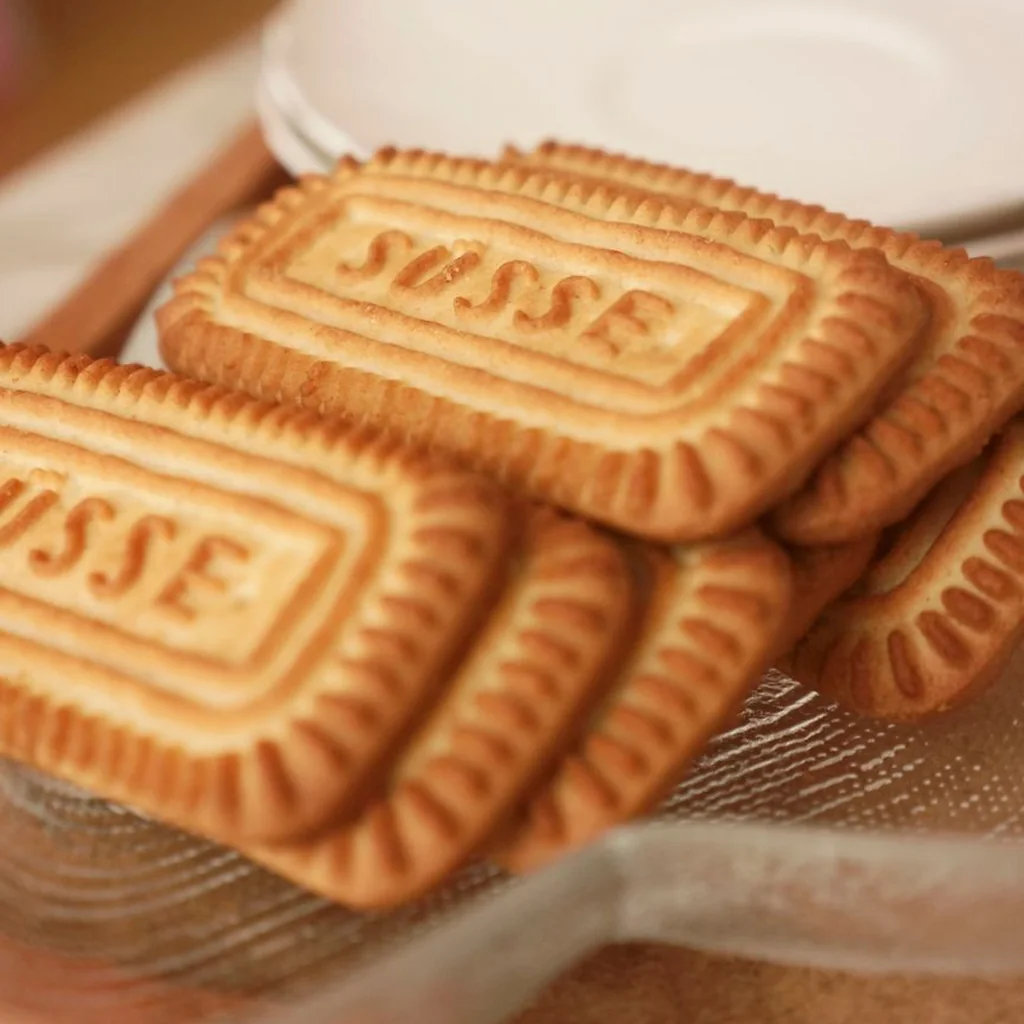
초록색 문 앞의 과자
Biscuits by the Green Door
Hyeonjeong bakes biscuits in her kitchen to welcome the family who moved in next door yesterday.
Three short parts. Read each part in Korean first; tap “Show English” under a paragraph when you need the translation.


Part 1
현정은 아침부터 부엌에서 과자를 구웠다. 어제 옆집으로 이사 온 가족에게 인사를 하고 싶었기 때문이다.
Show EnglishHide English
Hyeonjeong baked biscuits in the kitchen from early morning. She wanted to greet the family who had moved in next door yesterday.
반죽을 너무 얇게 민 탓에 첫 번째 판에 구운 과자는 조금 탔다. 현정은 잘 구워진 과자만 골라 작은 상자에 담고 노란 끈으로 묶었다.
Show EnglishHide English
Because she had rolled the dough too thin, the biscuits on the first tray were a little burnt. Hyeonjeong chose only the well-baked ones, put them in a small box, and tied it with a yellow ribbon.
현관문 앞에서 거울을 보며 인사도 연습했다. “안녕하세요. 옆집에 사는 사람인데요, 이사 오신 걸 환영해요.”
Show EnglishHide English
She looked in the mirror in front of her door and practiced her greeting. “Hello. I live next door. Welcome to your new home.”
복도로 나가자 막 청소를 마친 듯 바닥이 촉촉했다. 현정은 과자 상자를 두 손으로 들고 엘리베이터 쪽으로 걸어갔다.
Show EnglishHide English
When she stepped into the hallway, the floor was damp, as if it had just been cleaned. Holding the box of biscuits in both hands, Hyeonjeong walked toward the elevator.
그런데 옆집 문 앞에는 아직 이삿짐 상자가 쌓여 있었다. 문을 두드려도 한참 동안 아무 소리가 들리지 않았다.
Show EnglishHide English
But moving boxes were still piled up in front of the neighbor’s door. She knocked, but for a long time she heard nothing.
현정은 다시 한번 두드리려다가 잠깐 생각했다. 어제저녁에 이사 온 가족을 엘리베이터 앞에서 만났을 때, 남자가 분명히 문이 초록색이라고 했던 것 같았다.
Show EnglishHide English
Hyeonjeong was about to knock again, then paused to think. When she had met the new family by the elevator yesterday evening, she thought the man had definitely said their door was green.
복도 끝에도 초록색 문이 하나 있었다. 현정은 자기가 사는 집 바로 옆이 아니라 같은 층에 이사 왔다는 뜻이었나 보다 하고 그쪽으로 갔다.
Show EnglishHide English
There was also a green door at the end of the hallway. Hyeonjeong figured that he must have meant they had moved in on the same floor, not right next door to her, and went over there.
초인종을 누르자 아이의 발소리가 들렸다. 문이 열리고 낯선 여자와 아이가 나란히 현정을 바라보았다.
Show EnglishHide English
When she rang the doorbell, she heard a child’s footsteps. The door opened, and an unfamiliar woman and child stood side by side, looking at Hyeonjeong.
“안녕하세요. 이사 오신 걸 환영해요.” 현정이 웃으며 상자를 내밀었다.
Show EnglishHide English
“Hello. Welcome to your new home,” Hyeonjeong said with a smile, holding out the box.
여자는 상자를 내려다보더니 고개를 갸웃했다. “저희는 여기 산 지 벌써 삼 년이 됐는데요.”
Show EnglishHide English
The woman looked down at the box and tilted her head. “We’ve already lived here for three years.”
현정의 얼굴이 뜨거워졌다. 그때 여자 뒤에서 아이가 과자를 가리키며 물었다.
Show EnglishHide English
Hyeonjeong’s face grew hot. Just then, the child behind the woman pointed at the biscuits and asked,
“엄마, 저 과자 우리 주시는 거야?”
Show EnglishHide English
“Mom, are those biscuits for us?”
Part 2초록색 문 앞의 과자 상자(The Box of Biscuits by the Green Door)
현정은 아이와 여자를 번갈아 보았다. 아이는 문에 기대 서서 상자에서 눈을 떼지 못했다.
Show EnglishHide English
Hyeonjeong looked from the child to the woman. The child leaned against the door and could not take their eyes off the box.
“죄송해요. 새로 이사 온 가족에게 드리려고 만든 건데, 제가 집을 잘못 찾았네요.” 현정은 상자를 든 손을 천천히 내렸다.
Show EnglishHide English
“I’m sorry. I made these for the family that just moved in, but I came to the wrong door.” Hyeonjeong slowly lowered the hand holding the box.
여자가 웃음을 참는 얼굴로 말했다. “혹시 엘리베이터 옆집 말씀하세요? 오늘 아침에도 상자를 옮기고 계시던데요.”
Show EnglishHide English
The woman looked as if she were trying not to laugh. “Do you mean the family next to the elevator? They were moving boxes this morning, too.”
“네, 맞아요. 문 색깔만 기억하고 이쪽으로 왔어요.” 현정은 뒤를 돌아보았다. 정말 두 집 문이 똑같은 초록색이었다.
Show EnglishHide English
“Yes, that’s right. I remembered only the color of the door and came here.” Hyeonjeong looked back. The two doors really were the same shade of green.
아이는 여전히 과자를 바라보고 있었다. 현정은 그냥 돌아서기가 미안해서 상자의 끈을 풀었다.
Show EnglishHide English
The child was still looking at the biscuits. Hyeonjeong felt bad about simply turning around, so she untied the ribbon on the box.
“괜찮으시면 하나 드실래요? 제가 오늘 아침에 구웠어요.”
Show EnglishHide English
“Would you like one, if you don’t mind? I baked them this morning.”
여자가 아이에게 먼저 손을 씻고 오라고 하자, 아이는 부엌으로 달려갔다. 잠시 뒤 돌아온 아이는 과자 하나를 받아 크게 한 입 베어 물었다.
Show EnglishHide English
When the woman told the child to wash their hands first, the child ran to the kitchen. A little later, the child came back, took a biscuit, and took a big bite.
“맛있어요. 엄마도 먹어 봐.” 아이가 남은 과자를 엄마에게 내밀자 세 사람은 함께 웃었다.
Show EnglishHide English
“It’s delicious. You should try one too, Mom.” When the child offered the remaining biscuit to their mother, all three laughed together.
여자는 자신을 미숙이라고 소개했다. 현정은 같은 층에 삼 년이나 살면서 서로 인사도 못 했다며 다시 웃었다.
Show EnglishHide English
The woman introduced herself as Misuk. Hyeonjeong laughed again and said that they had lived on the same floor for three years without even greeting each other.
그때 엘리베이터 문이 열리고 새로 이사 온 부부가 큰 가방을 하나씩 들고 나왔다. 현정은 반가운 마음에 손을 흔들었다.
Show EnglishHide English
Just then, the elevator doors opened, and the newly moved-in couple came out, each carrying a large bag. Hyeonjeong waved to them, happy to see them.
하지만 끈을 풀어 놓은 상자가 기울면서 과자 몇 개가 복도 바닥에 떨어졌다. 현정은 놀라 상자를 바로 세웠고, 부부는 걸음을 멈추고 그쪽을 보았다.
Show EnglishHide English
But the box, with its ribbon untied, tipped over, and several biscuits fell onto the hallway floor. Hyeonjeong quickly set the box upright, startled, and the couple stopped and looked over.
Part 3잘못 찾아간 집, 따뜻한 인사(The Wrong Door, a Warm Welcome)
현정은 얼른 바닥에 떨어진 과자를 주웠다. 미숙이 종이봉투를 가져와 주자 현정은 과자를 그 안에 넣었다.
Show EnglishHide English
Hyeonjeong quickly picked up the biscuits that had fallen on the floor. When Misuk brought a paper bag, Hyeonjeong put the biscuits into it.
새로 이사 온 부부가 다가왔다. 현정은 상자 안에 아직 과자가 남아 있는 것을 확인하고 조심스럽게 입을 열었다.
Show EnglishHide English
The newly moved-in couple came over. Hyeonjeong checked that there were still biscuits in the box and carefully began to speak.
“옆집에 사는 현정이에요. 이사 오신 걸 환영하려고 과자를 구웠는데, 제가 처음에 집을 잘못 찾아갔어요.”
Show EnglishHide English
“I’m Hyeonjeong, and I live next door. I baked biscuits to welcome you, but I went to the wrong door at first.”
부부는 초록색 문 두 개를 보고 웃었다. 아내가 말했다. “저희도 아까 장을 보고 돌아왔을 때 복도 끝집 문 앞에서 열쇠를 찾았어요.”
Show EnglishHide English
The couple looked at the two green doors and laughed. The wife said, “When we came back from shopping earlier, we were looking for our key in front of the door at the end of the hallway.”
현정은 남은 과자가 담긴 상자를 내밀었다. “조금 줄었지만, 괜찮으시면 받아 주세요.”
Show EnglishHide English
Hyeonjeong held out the box with the biscuits that were left. “There are a few fewer now, but please take them if you’d like.”
“물론이죠. 마침 차를 마시려고 했는데 잘됐네요.” 아내는 고맙게 상자를 받았다.
Show EnglishHide English
“Of course. We were just about to have tea, so this is perfect.” The wife gratefully accepted the box.
남편은 들고 있던 가방을 잠시 내려놓고 미숙과 아이에게도 인사했다. 미숙은 자기 집이 복도 끝이라며 필요한 게 있으면 찾아오라고 말했다.
Show EnglishHide English
The husband briefly put down the bag he was carrying and greeted Misuk and the child, too. Misuk said that her home was at the end of the hallway and told them to come by if they needed anything.
아이가 현정에게 물었다. “다음에도 과자 구우실 거예요?”
Show EnglishHide English
The child asked Hyeonjeong, “Will you bake biscuits again?”
“그럼. 다음에는 네 것도 따로 담아 올게.” 현정이 대답하자 아이가 활짝 웃었다.
Show EnglishHide English
“Of course. Next time, I’ll bring some just for you, too,” Hyeonjeong replied, and the child smiled brightly.
부부는 가방을 다시 들고 집으로 들어갔다. 현정과 미숙은 함께 엘리베이터 옆집까지 걸어가 문이 닫히는 것을 보았다.
Show EnglishHide English
The couple picked up their bags again and went inside. Hyeonjeong and Misuk walked together to the home next to the elevator and watched the door close.
“덕분에 저희도 오늘 처음 인사했네요.” 미숙의 말에 현정이 고개를 끄덕였다.
Show EnglishHide English
“Thanks to you, we got to meet for the first time today, too,” Misuk said. Hyeonjeong nodded.
집으로 돌아온 현정은 조금 탄 과자 하나를 접시에 올리고 차를 따랐다. 창밖을 보며 한 입 먹으니 생각보다 바삭하고 맛있었다.
Show EnglishHide English
Back at home, Hyeonjeong put one slightly burnt biscuit on a plate and poured herself some tea. Looking out the window, she took a bite. It was crisp and tasty, better than she had expected.
Practise this Korean story
Vocabulary in context
Important words and phrases
과자를 굽다
verb phraseRomanization: gwajareul gubda
to bake biscuits
주말마다 직접 과자를 구워요.
I bake biscuits myself every weekend.
반죽
nounRomanization: banjuk
dough
반죽이 너무 되면 잘 안 퍼져요.
If the dough is too stiff, it doesn't spread well.
이사 오다
verb phraseRomanization: isa oda
to move in
옆집에 새로 이사 왔어요.
I just moved in next door.
옆집
nounRomanization: yeopjip
next door; the neighboring house or apartment
옆집에서 음악 소리가 들렸어요.
I heard music from next door.
문을 두드리다
verb phraseRomanization: mun-eul dudeurida
to knock on the door
먼저 문을 두드리고 들어가세요.
Please knock before you go in.
초인종을 누르다
verb phraseRomanization: cho-injong-eul nureuda
to ring the doorbell
누군가 오면 초인종을 눌러 주세요.
Please ring the doorbell when someone arrives.
고개를 갸웃하다
verb phraseRomanization: gogae-reul gyaut-hada
to tilt one's head; to look puzzled
그는 잠깐 고개를 갸웃했다.
He tilted his head for a moment.
상자를 내밀다
verb phraseRomanization: sangjareul naemilda
to hold out a box
그녀가 먼저 손을 내밀어 인사했어요.
She held out her hand first to greet him.
기울다
verbRomanization: giulda
to tilt; to lean
컵이 살짝 기울어 물이 쏟아졌어요.
The cup tilted slightly and spilled water.
마침
adverbRomanization: machim
just; as it happens
마침 비가 와서 집에 있기로 했어요.
It happened to rain, so I decided to stay home.
바삭하다
adjectiveRomanization: basak-hada
to be crispy
갓 구운 빵은 바삭하고 맛있어요.
Freshly baked bread is crispy and tasty.
Check your understanding
Comprehension questions
Choose an answer, check it, then move to the next question.
Question 1 of 3
- Question 1: current not answered
- Question 2: not answered
- Question 3: not answered
Notice the language
Language notes
V-(으)ㄴ 지 + 기간 + 되다
This pattern tells how much time has passed since an action or state began. In the story, '산 지 벌써 삼 년이 됐는데요' means the family has already been living there for three years. You can reuse it to talk about how long you have lived somewhere, known someone, or done something: '한국에 온 지 2년이 됐어요.'
저희는 여기 산 지 벌써 삼 년이 됐는데요.
We have already been living here for three years.
More Korean stories to read next

케이크 상자와 휴대전화
The Cake Box and the Mobile Phone
Ha-eun is sitting on a bench in front of a neighborhood bakery, waiting for a friend with a bag of warm salt bread on her lap.
우체국에서 보낸 엽서
The Postcard from the Post Office
On the last morning of his trip, Minsu is at a small post office, unsure which foreign coins will pay to mail a postcard to his mother in Korea.
생일 파티를 기다리며
Waiting for the Birthday Party
At home, Jongmin waits for the three friends he invited to his birthday party, but none of them has arrived.
무대 뒤의 한 줄 대사
The Line Behind the Curtain
Before the school play begins, Seoyeon waits backstage with one line to say and worries that everyone will notice if she makes a mistake.