
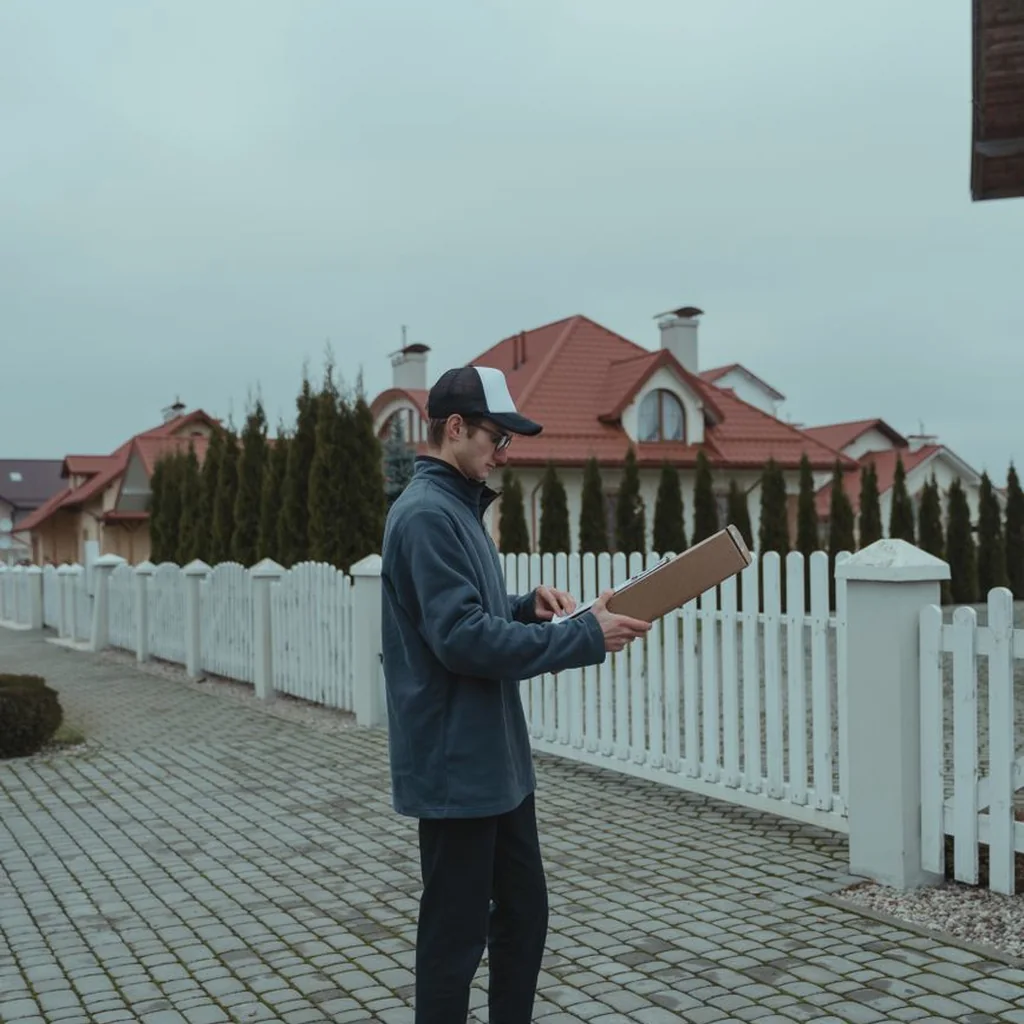
Photo: Tima Miroshnichenko on Pexels
파란 대문과 흰 담
The Blue Gate and the White Wall
On his first morning delivering newspapers in an alley, Junho has trouble telling apart houses with similar features.
Three short parts. Read each part in Korean first; tap “Show English” under a paragraph when you need the translation.


Part 1
준호는 오늘 아침 처음으로 신문을 돌렸다. 가방에는 신문 열 부와 집 주소가 적힌 종이가 들어 있었다.
Show EnglishHide English
Junho delivered newspapers for the first time this morning. His bag held ten newspapers and a piece of paper with the house addresses written on it.
골목에 들어서자 준호는 종이를 꺼냈다. 첫 번째 집은 파란 대문이 있는 집이라고 적혀 있었다.
Show EnglishHide English
When he entered the alley, Junho took out the paper. It said the first house had a blue gate.
그런데 골목에는 파란 대문이 두 개나 있었다. 두 집은 나란히 있었고, 대문 색도 거의 같았다.
Show EnglishHide English
But there were two blue gates in the alley. The houses stood next to each other, and the gates were almost the same color.
준호는 왼쪽 집 앞에 섰다가 다시 오른쪽 집으로 갔다. 아까 신문 가게 아저씨가 어느 집을 가리켰는지 기억이 나지 않았다.
Show EnglishHide English
Junho stood in front of the house on the left, then went to the house on the right. He could not remember which house the man at the newspaper shop had pointed to earlier.
결국 준호는 왼쪽 대문 앞에 신문을 놓았다. 돌아서려는데 대문이 열리고 한 아주머니가 나왔다.
Show EnglishHide English
In the end, Junho left a newspaper in front of the gate on the left. As he turned to go, the gate opened, and a woman came out.
아주머니는 신문을 보고 고개를 갸웃했다. “우리 집은 신문 안 보는데요?”
Show EnglishHide English
The woman looked at the newspaper and tilted her head. “We don’t get a newspaper at our house.”
준호의 얼굴이 빨개졌다. “죄송해요. 오늘 처음이라서 집을 잘 모르겠어요.”
Show EnglishHide English
Junho’s face turned red. “I’m sorry. It’s my first day, so I don’t know the houses very well.”
아주머니는 웃으며 옆집을 가리켰다. “신문은 저 집에서 봐요. 두 집 대문이 비슷해서 헷갈리지요?”
Show EnglishHide English
The woman smiled and pointed to the house next door. “They get a newspaper at that house. The two gates look alike, so it’s easy to get confused, isn’t it?”
준호는 신문을 주워 옆집 우편함에 넣었다. 아주머니에게 감사하다고 말한 뒤 다음 주소를 확인했다.
Show EnglishHide English
Junho picked up the newspaper and put it in the mailbox next door. After thanking the woman, he checked the next address.
이번에는 흰 담이 있는 집이었다. 준호가 골목을 둘러보니 조금 떨어진 곳에 흰 담이 보였다.
Show EnglishHide English
This time, it was a house with a white wall. Junho looked around the alley and saw a white wall some distance away.
그런데 담 앞에 커다란 화분이 놓여 있어서 집 번호가 보이지 않았다. 준호는 화분 옆으로 다가가 몸을 숙였다.
Show EnglishHide English
But a large flowerpot stood in front of the wall, so he could not see the house number. Junho went over beside the flowerpot and bent down.
Part 2신문 배달과 빨간 지붕 집(Newspaper Delivery and the House with the Red Roof)
준호는 화분 뒤를 살펴봤다. 잎이 큰 화초 사이로 집 번호가 조금 보였다.
Show EnglishHide English
Junho looked behind the flowerpot. He could just make out the house number between the plants with big leaves.
종이에 적힌 번호와 같았다. 준호는 안심하고 신문을 우편함에 넣었다.
Show EnglishHide English
It was the same as the number on the paper. Junho felt relieved and put the newspaper in the mailbox.
그때 집 안에서 할아버지가 나왔다. 할아버지는 우편함을 열어 신문을 꺼내며 말했다.
Show EnglishHide English
Just then, an old man came out of the house. He opened the mailbox, took out the newspaper, and said,
“오늘은 신문이 일찍 왔네. 새로 일하는 학생인가?”
Show EnglishHide English
“The newspaper came early today. Are you a student who just started working?”
준호는 고개를 끄덕였다. “네, 그런데 집을 찾는 게 생각보다 어려워요.”
Show EnglishHide English
Junho nodded. “Yes, but finding the houses is harder than I thought.”
할아버지는 웃으며 화분을 조금 옮겼다. 이제 골목에서도 집 번호가 잘 보였다.
Show EnglishHide English
The old man smiled and moved the flowerpot a little. Now the house number was easy to see from the alley.
“고맙습니다. 내일은 바로 찾을 수 있겠어요.” 준호는 인사하고 다음 집으로 걸어갔다.
Show EnglishHide English
“Thank you. I think I’ll be able to find it right away tomorrow.” Junho said goodbye and walked to the next house.
다음 주소는 빨간 지붕이 있는 집이었다. 준호가 고개를 들자 담 너머로 빨간 지붕이 보였다.
Show EnglishHide English
The next address was a house with a red roof. Junho looked up and saw the red roof over the wall.
그 집 앞에는 우편함이 없었다. 대문도 닫혀 있어서 준호는 신문을 어디에 놓아야 할지 몰랐다.
Show EnglishHide English
There was no mailbox in front of the house. The gate was closed, too, so Junho did not know where to leave the newspaper.
준호는 신문을 바닥에 놓으려다가 멈췄다. 밤에 비가 왔는지 대문 앞이 아직 젖어 있었다.
Show EnglishHide English
Junho was about to put the newspaper on the ground, but he stopped. The ground in front of the gate was still wet, perhaps because it had rained at night.
대문 옆에는 작은 의자가 있었지만, 그 위에도 물이 고여 있었다. 준호는 가방에서 주소가 적힌 종이를 다시 꺼내 보았다.
Show EnglishHide English
There was a small chair beside the gate, but water had collected on it, too. Junho took the paper with the addresses out of his bag again.
종이 아래쪽에 작은 글씨가 적혀 있었다. ‘빨간 지붕 집: 신문은 대문 안에 넣기.’
Show EnglishHide English
At the bottom of the paper, there were some small words: ‘House with the red roof: Put the newspaper inside the gate.’
준호가 대문을 살짝 밀자 안쪽에서 누군가의 목소리가 들렸다. “거기 누구세요?”
Show EnglishHide English
When Junho gently pushed the gate, he heard someone’s voice from inside. “Who’s there?”
Part 3노란 바구니와 첫 신문 배달(The Yellow Basket and the First Newspaper Delivery)
준호는 깜짝 놀라 대문에서 손을 뗐다. “신문 배달 왔어요!”
Show EnglishHide English
Junho was startled and took his hand away from the gate. “I’m here to deliver the newspaper!”
잠시 후 할머니가 대문을 열었다. 준호는 젖은 바닥을 가리키며 신문을 어디에 놓을지 몰랐다고 말했다.
Show EnglishHide English
A little later, an old woman opened the gate. Junho pointed to the wet ground and said he did not know where to leave the newspaper.
“아이고, 놀랐지? 대문 안쪽에 바구니가 있단다.” 할머니는 신발장 옆의 노란 바구니를 보여 주었다.
Show EnglishHide English
“Oh, you must have been surprised. There’s a basket inside the gate.” The old woman showed him a yellow basket beside the shoe cabinet.
준호는 그 안에 신문을 넣었다. “내일부터는 여기에 넣을게요.”
Show EnglishHide English
Junho put the newspaper in it. “I’ll put it here from tomorrow on.”
할머니는 고맙다며 대문을 닫았다. 준호는 주소가 적힌 종이에 ‘노란 바구니’라고 적고 다음 집으로 갔다.
Show EnglishHide English
The old woman thanked him and closed the gate. Junho wrote ‘yellow basket’ on the paper with the addresses and went to the next house.
남은 집들을 찾는 데도 시간이 조금 걸렸다. 준호는 집 번호를 하나씩 확인하고 신문을 우편함에 넣었다.
Show EnglishHide English
It also took a little time to find the remaining houses. Junho checked each house number and put a newspaper in each mailbox.
마지막 신문까지 돌리고 나니 가방이 가벼워졌다. 준호는 빈 가방을 들고 처음 지나온 골목을 다시 걸었다.
Show EnglishHide English
After delivering the last newspaper, his bag felt light. Carrying the empty bag, Junho walked back through the first alley.
파란 대문 두 개가 나란히 보였다. 준호는 신문을 받는 집 앞에 작은 나무가 있는 것을 그제야 알아차렸다.
Show EnglishHide English
He saw the two blue gates side by side. Only then did Junho notice a small tree in front of the house that got the newspaper.
흰 담 앞의 화분은 아까 옮긴 자리에 그대로 있었다. 화분 뒤에 있는 집 번호가 잘 보였다.
Show EnglishHide English
The flowerpot in front of the white wall was still where it had been moved earlier. The house number behind it was easy to see.
준호는 종이에 두 집의 모습을 간단히 적었다. 내일 아침에는 이 종이를 보며 좀 더 쉽게 집을 찾을 수 있을 것 같았다.
Show EnglishHide English
Junho made simple notes about the two houses on the paper. He thought that looking at the notes would help him find the houses more easily tomorrow morning.
집으로 돌아가는 길에 준호는 따뜻해진 햇볕을 느꼈다. 첫날 일을 끝냈다는 생각에 발걸음이 가벼웠다.
Show EnglishHide English
On the way home, Junho felt the warm sunlight. His steps felt light as he thought about finishing his first day’s work.
Practise this Korean story
Vocabulary in context
Important words and phrases
신문을 돌리다
verb phraseRomanization: sinmuneul dollida
to deliver newspapers
매일 아침 신문을 돌려요.
I deliver newspapers every morning.
주소
nounRomanization: juso
address
새 주소를 적었어요.
I wrote down the new address.
대문
nounRomanization: daemun
front gate
파란 대문 앞에서 기다렸어요.
I waited in front of the blue gate.
우편함
nounRomanization: upyeonham
mailbox
신문을 우편함에 넣었어요.
I put the newspaper in the mailbox.
화분
nounRomanization: hwabun
flowerpot
화분 옆에 서 있었어요.
I was standing next to the flowerpot.
집 번호
noun phraseRomanization: jip beonho
house number
집 번호를 확인했어요.
I checked the house number.
헷갈리다
verbRomanization: hetgallida
to get confused
두 집이 비슷해서 헷갈렸어요.
The two houses were similar, so I got confused.
확인하다
verbRomanization: hwaginhada
to check, to confirm
다음 주소를 다시 확인했어요.
I checked the next address again.
옮기다
verbRomanization: omgida
to move, to shift
아저씨가 화분을 조금 옮겼어요.
The man moved the flowerpot a little.
집을 찾다
expressionRomanization: jibeul chatda
to find a house
처음 가는 동네에서 집을 찾기 어려워요.
It is hard to find houses in a neighborhood I am visiting for the first time.
Check your understanding
Comprehension questions
Choose an answer, check it, then move to the next question.
Question 1 of 3
- Question 1: current not answered
- Question 2: not answered
- Question 3: not answered
Notice the language
Language notes
이/가 있는 — 파란 대문이 있는 집
This pattern describes a noun by a visible feature it has. Put the feature noun before 있는, then the thing you are describing after it. It is very useful for houses and places, especially when you want to identify them by something easy to see.
파란 대문이 있는 집을 찾았어요.
I found the house with the blue gate.
More Korean stories to read next
초를 꽂은 케이크
The Cake with Candles
Jihye is at home having dinner with her friend Seoyeon, and she has a small birthday cake for her.

발목을 다친 도윤이
Doyun Injures His Ankle
Doyun has injured his ankle, and his doctor tells him to rest before Saturday’s football match against the neighboring school.
뜨거운 길 위의 지렁이
The Worm on the Hot Road
On a hot afternoon, Nayeon is walking home from school when she finds a worm in the middle of the road.
부엌의 자리
A Place in the Kitchen
Hyejin has bought tofu and mushrooms for dinner, and she comes home from work to find her mother-in-law cooking soup in the kitchen.