
Photo: Alexander Mass on Pexels
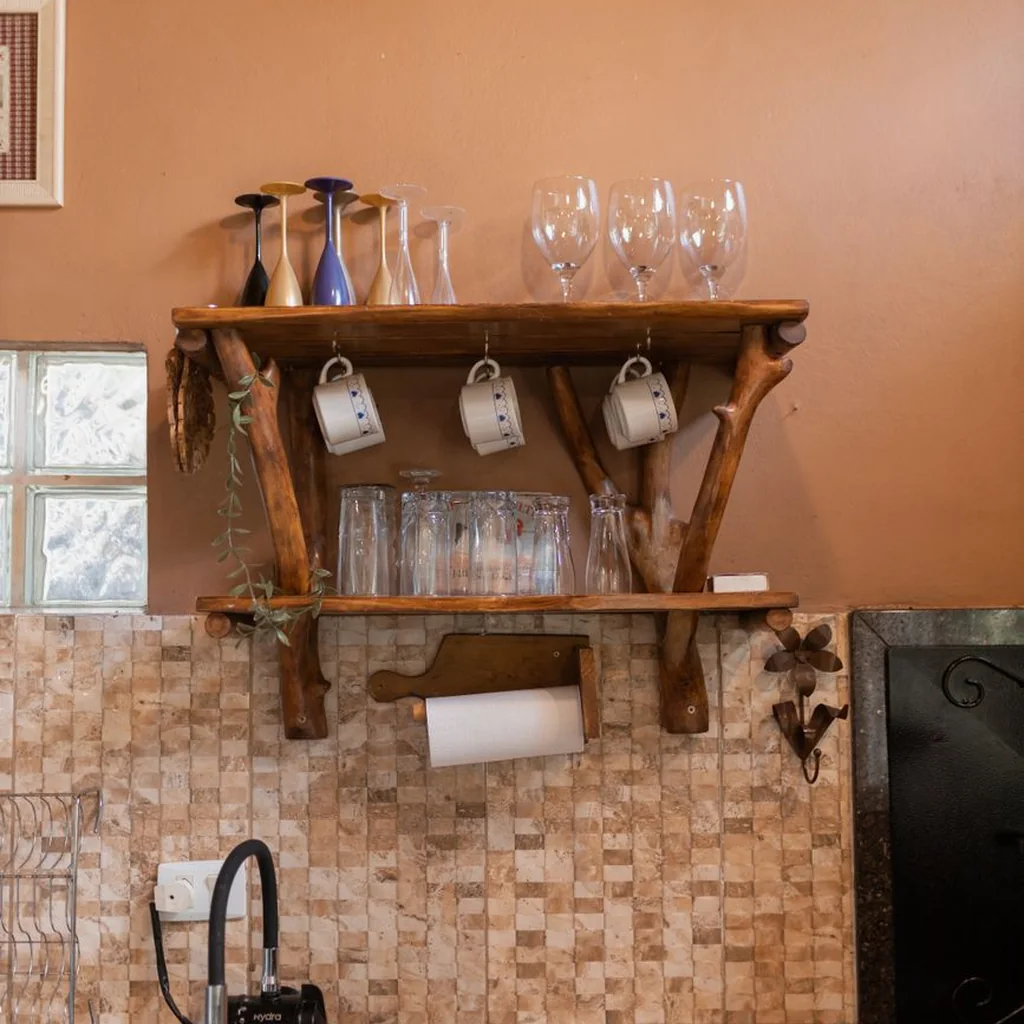
부엌의 자리
A Place in the Kitchen
Hyejin has bought tofu and mushrooms for dinner, and she comes home from work to find her mother-in-law cooking soup in the kitchen.
Three short parts. Read each part in Korean first; tap “Show English” under a paragraph when you need the translation.


Part 1
혜진은 퇴근길에 두부와 버섯을 샀습니다. 오늘은 시어머니와 함께 저녁을 먹기로 했습니다. 아침에 시어머니는 먼저 집에 가 있겠다고 말했습니다.
Show EnglishHide English
On her way home from work, Hyejin bought tofu and mushrooms. Today, she was going to have dinner with her mother-in-law. In the morning, her mother-in-law had said she would go to Hyejin's home first.
집에 도착하자 부엌에서 좋은 냄새가 났습니다. 시어머니는 앞치마를 입고 국을 끓이고 있었습니다.
Show EnglishHide English
When Hyejin arrived home, a good smell came from the kitchen. Her mother-in-law was wearing an apron and cooking soup.
“어머니, 벌써 오셨어요? 제가 저녁을 만들려고 했는데요.”
Show EnglishHide English
“Mother, you're here already? I was going to make dinner.”
“늦게 오면 힘들잖니. 국만 끓였어. 그리고 부엌도 조금 정리했단다.”
Show EnglishHide English
“You get tired when you come home late. I only made soup. And I tidied the kitchen a little, too.”
혜진은 장바구니를 내려놓고 찬장을 열었습니다. 늘 접시가 있던 자리에 컵이 가득했습니다. 옆 문을 열자 그릇 대신 냄비가 보였습니다.
Show EnglishHide English
Hyejin put down her shopping bag and opened a cupboard. Cups filled the place where the plates usually were. When she opened the next door, she saw pots instead of bowls.
“접시는 어디에 있어요?”
Show EnglishHide English
“Where are the plates?”
“싱크대 아래에 넣었어. 무거운 건 아래에 두는 게 좋을 것 같아서.”
Show EnglishHide English
“I put them under the sink. I thought it would be better to put the heavy things below.”
혜진은 허리를 굽혀 접시를 꺼냈습니다. 그때 시어머니가 웃으며 말했습니다.
Show EnglishHide English
Hyejin bent down and took out the plates. Just then, her mother-in-law smiled and said,
“자주 쓰는 컵은 손이 잘 닿는 곳에 뒀어. 편하지?”
Show EnglishHide English
“I put the cups you use often where you can reach them easily. It's convenient, isn't it?”
혜진은 잠깐 망설이다가 고개를 끄덕였습니다. 하지만 접시는 매일 쓰고, 컵은 저녁에만 쓴다는 생각이 났습니다.
Show EnglishHide English
Hyejin hesitated for a moment, then nodded. But she remembered that she used the plates every day and the cups only in the evening.
혜진은 사 온 두부를 꺼내며 말했습니다. “어머니, 제가 두부를 부칠게요. 프라이팬도 옮기셨어요?”
Show EnglishHide English
As Hyejin took out the tofu she had bought, she said, “Mother, I'll fry the tofu. Did you move the frying pan, too?”
시어머니가 대답하려는데 전화가 울렸습니다. 시어머니는 잠깐 통화하겠다며 거실로 갔습니다.
Show EnglishHide English
Just as her mother-in-law was about to answer, the phone rang. She said she would talk for a moment and went to the living room.
혜진은 싱크대 아래와 가스레인지 옆을 살펴봤습니다. 프라이팬이 보이지 않아 다른 찬장도 하나씩 열었습니다. 마지막 문을 열자 안쪽에 큰 상자가 보였습니다.
Show EnglishHide English
Hyejin looked under the sink and beside the stove. She couldn't see the frying pan, so she opened the other cupboards one by one. When she opened the last door, she saw a large box inside.
Part 2뒤집개를 찾는 부엌(Looking for the Spatula in the Kitchen)
혜진은 상자를 조심히 앞으로 당겼습니다. 그 뒤에 프라이팬 두 개가 나란히 놓여 있었습니다. 혜진은 작은 것을 꺼내 가스레인지 위에 올렸습니다.
Show EnglishHide English
Hyejin carefully pulled the box forward. Behind it, two frying pans lay side by side. She took out the smaller one and put it on the stove.
통화를 마친 시어머니가 부엌으로 돌아왔습니다. “찾았구나. 상자가 앞에 있어서 잘 안 보였지?”
Show EnglishHide English
Her mother-in-law finished her call and came back to the kitchen. “You found it. It was hard to see with the box in front, wasn't it?”
“네, 조금 찾았어요. 원래는 가스레인지 옆에 뒀거든요.”
Show EnglishHide English
“Yes, it took me a little while to find it. I used to keep it beside the stove.”
“거기가 너무 꽉 찬 것 같아서 옮겼어. 더 편할 줄 알았는데.” 시어머니는 상자를 보며 조금 미안한 표정을 지었습니다.
Show EnglishHide English
“That place seemed too full, so I moved it. I thought it would be more convenient.” Her mother-in-law looked at the box with a slightly sorry expression.
혜진은 두부를 썰면서 웃었습니다. “찾았으니 이제 부치면 돼요. 국 냄새도 정말 좋아요.”
Show EnglishHide English
Hyejin smiled as she cut the tofu. “Now that I've found it, I can fry it. The soup smells really good, too.”
시어머니는 그릇에 국을 담았습니다. 혜진이 프라이팬에 두부를 올리자 지글지글 소리가 났습니다.
Show EnglishHide English
Her mother-in-law put soup into bowls. When Hyejin placed the tofu in the frying pan, it began to sizzle.
잠시 후 혜진은 두부를 뒤집으려고 서랍을 열었습니다. 뒤집개가 있어야 할 자리에 숟가락과 젓가락이 들어 있었습니다.
Show EnglishHide English
A short while later, Hyejin opened a drawer to turn over the tofu. Spoons and chopsticks were in the place where the spatula should have been.
“어머니, 뒤집개는 어디에 두셨어요?”
Show EnglishHide English
“Mother, where did you put the spatula?”
“서랍이 복잡해서 다른 데 넣었는데. 잠깐만, 어디였더라?” 시어머니가 서랍 두 개를 차례로 열었습니다.
Show EnglishHide English
“The drawer was crowded, so I put it somewhere else. Wait, where was it?” Her mother-in-law opened two drawers, one after the other.
두부가 점점 노랗게 익었습니다. 혜진은 타기 전에 뒤집어야 할 것 같아 젓가락을 집었습니다. 하지만 두부가 부서져서 잘 뒤집히지 않았습니다.
Show EnglishHide English
The tofu was getting more and more golden. Hyejin thought she should turn it over before it burned, so she picked up chopsticks. But the tofu broke and was hard to turn.
시어머니도 옆에서 찬장을 열어 보았습니다. 두 사람은 서로 비켜 주려다 같은 쪽으로 움직여 부딪칠 뻔했습니다.
Show EnglishHide English
Her mother-in-law also opened cupboards beside her. As they tried to move out of each other's way, they both moved in the same direction and nearly bumped into each other.
“아이고, 내가 어디에 뒀지?” 시어머니가 작은 서랍을 열었습니다. 그 안에는 뒤집개 대신 행주가 들어 있었습니다.
Show EnglishHide English
“Oh dear, where did I put it?” Her mother-in-law opened a small drawer. Inside it was a dishcloth instead of the spatula.
혜진은 불을 줄이고 시어머니를 바라봤습니다. 그때 시어머니가 싱크대 옆에 놓인 긴 통을 가리켰습니다.
Show EnglishHide English
Hyejin turned down the heat and looked at her mother-in-law. Just then, her mother-in-law pointed to a tall container beside the sink.
Part 3부엌 물건의 자리(Where Things Belong in the Kitchen)
긴 통 안에는 국자와 주걱, 뒤집개가 함께 꽂혀 있었습니다. 시어머니가 뒤집개를 꺼내 혜진에게 건넸습니다.
Show EnglishHide English
Inside the tall container were a ladle, a cooking spoon, and a spatula. Her mother-in-law took out the spatula and handed it to Hyejin.
“여기 있었네. 요리할 때 바로 꺼내 쓰라고 넣어 뒀어.”
Show EnglishHide English
“Here it is. I put it here so you could take it out right away when cooking.”
혜진은 두부를 뒤집었습니다. 한쪽이 조금 부서졌지만 노릇하게 잘 익었습니다. 두 사람은 접시에 두부를 담아 국과 함께 식탁으로 가져갔습니다.
Show EnglishHide English
Hyejin turned over the tofu. One side was a little broken, but it had cooked to a nice golden color. The two of them put the tofu on a plate and carried it to the table with the soup.
밥을 먹으며 시어머니가 말했습니다. “도와주고 싶었는데 네가 물건을 찾느라 바빴구나.”
Show EnglishHide English
While they ate, her mother-in-law said, “I wanted to help, but you were busy looking for things.”
혜진은 잠시 숟가락을 내려놓았습니다. “정말 감사해요. 그런데 제가 쓰던 자리에 물건이 없으니까 조금 불편했어요.”
Show EnglishHide English
Hyejin put down her spoon for a moment. “Thank you so much. But it was a little difficult when things weren't where I usually keep them.”
“그랬겠구나. 내가 먼저 물어봤어야 했는데.”
Show EnglishHide English
“I can understand that. I should have asked you first.”
“같이 다시 놓을까요? 컵은 지금 자리가 좋아요. 접시는 꺼내기 편한 찬장에 놓고, 프라이팬은 원래 있던 곳에 두면 좋겠어요.”
Show EnglishHide English
“Shall we rearrange things together? The cups are good where they are now. I’d like to put the plates in a cupboard that’s easy to reach, and keep the frying pan where it used to be.”
시어머니는 고개를 끄덕였습니다. “그래. 네가 매일 쓰는 부엌이니까 네게 편해야지.”
Show EnglishHide English
Her mother-in-law nodded. “All right. This is the kitchen you use every day, so it should be convenient for you.”
식사 후 두 사람은 설거지를 했습니다. 혜진이 접시를 닦아 건네자 시어머니가 꺼내기 편한 찬장에 넣었습니다. 프라이팬도 가스레인지 옆에 두었습니다.
Show EnglishHide English
After the meal, the two of them washed the dishes. When Hyejin dried a plate and handed it to her, her mother-in-law put it in the easy-to-reach cupboard. They also put the frying pan beside the stove.
뒤집개를 든 시어머니가 물었습니다. “이것도 서랍에 넣을까?”
Show EnglishHide English
Holding the spatula, her mother-in-law asked, “Should I put this in a drawer, too?”
혜진은 싱크대 옆의 통을 보았습니다. “거기 두니까 요리할 때 편하네요. 그대로 둘게요.”
Show EnglishHide English
Hyejin looked at the container beside the sink. “It's convenient to have it there when I cook. I'll leave it there.”
시어머니는 웃으며 뒤집개를 통에 꽂았습니다. 혜진은 저녁을 함께 준비해서 좋았다고 말하며 따뜻한 차를 두 잔 따랐습니다. 두 사람은 식탁에 다시 앉아 천천히 차를 마셨습니다.
Show EnglishHide English
Her mother-in-law smiled and put the spatula in the container. Hyejin said she was glad they had prepared dinner together and poured two cups of warm tea. The two of them sat at the table again and slowly drank their tea.
Practise this Korean story
Vocabulary in context
Important words and phrases
시어머니
nounRomanization: si-eomeoni
mother-in-law
저는 시어머니와 저녁을 먹었어요.
I had dinner with my mother-in-law.
앞치마
nounRomanization: apchima
apron
어머니는 앞치마를 입고 요리했어요.
Mother wore an apron and cooked.
국을 끓이다
verb phraseto cook soup
어머니는 국을 끓였어요.
Mother cooked soup.
장바구니
nounRomanization: jangbaguni
shopping bag
장바구니를 내려놓았어요.
I put down the shopping bag.
찬장
nounRomanization: chanjang
cupboard
접시는 찬장에 있어요.
The dishes are in the cupboard.
싱크대
nounRomanization: singkeudae
sink
컵은 싱크대 아래에 있어요.
The cups are under the sink.
손이 잘 닿는 곳
phraseRomanization: soni jal danneun got
an easy-to-reach place
자주 쓰는 컵은 손이 잘 닿는 곳에 두었어요.
I put the cups I use often in an easy-to-reach place.
프라이팬
nounRomanization: peuraipaen
frying pan
프라이팬에 두부를 구웠어요.
I cooked the tofu in a frying pan.
뒤집개
nounRomanization: dwijipgae
spatula
뒤집개로 두부를 뒤집었어요.
I flipped the tofu with a spatula.
가스레인지
nounRomanization: gaseuraeinji
gas stove
프라이팬을 가스레인지 위에 올렸어요.
I put the frying pan on the gas stove.
식탁
nounRomanization: siktak
dining table
우리는 식탁에서 차를 마셨어요.
We drank tea at the dining table.
Check your understanding
Comprehension questions
Choose an answer, check it, then move to the next question.
Question 1 of 3
- Question 1: current not answered
- Question 2: not answered
- Question 3: not answered
Notice the language
Language notes
V-려고 했는데요
Attach -려고 했는데요 to a verb stem ending in a vowel or ㄹ, and -으려고 했는데요 after other consonants (먹으려고 했는데요), when you intended to do something but the situation changed or someone else already did it. It is common in polite conversation and can soften what you say. Example: '제가 저녁을 만들려고 했는데요.'
제가 저녁을 만들려고 했는데요.
I was going to make dinner.
More Korean stories to read next

아직 끝나지 않은 달리기
A Race That Wasn't Over Yet
Haeun is running on the school field, and while the other children have crossed the finish line, she still has one lap to go.
꽃집에서 온 카드
A Card from the Flower Shop
After work, Yejun goes into a flower shop to buy flowers for his mother’s birthday, but he cannot think of what to write on a card.
문구점에서 산 생일 선물
A Birthday Present from the Stationery Store
On Saturday afternoon, high school student Sua goes to a stationery store to buy a birthday present for her friend Daeun, whose birthday is tomorrow.
똑같은 코트와 다른 가격
The Same Coat at a Different Price
Last week, Gihyeon bought a winter coat he liked, though it was a little expensive.