
Photo: Mustafa Erdağ on Pexels
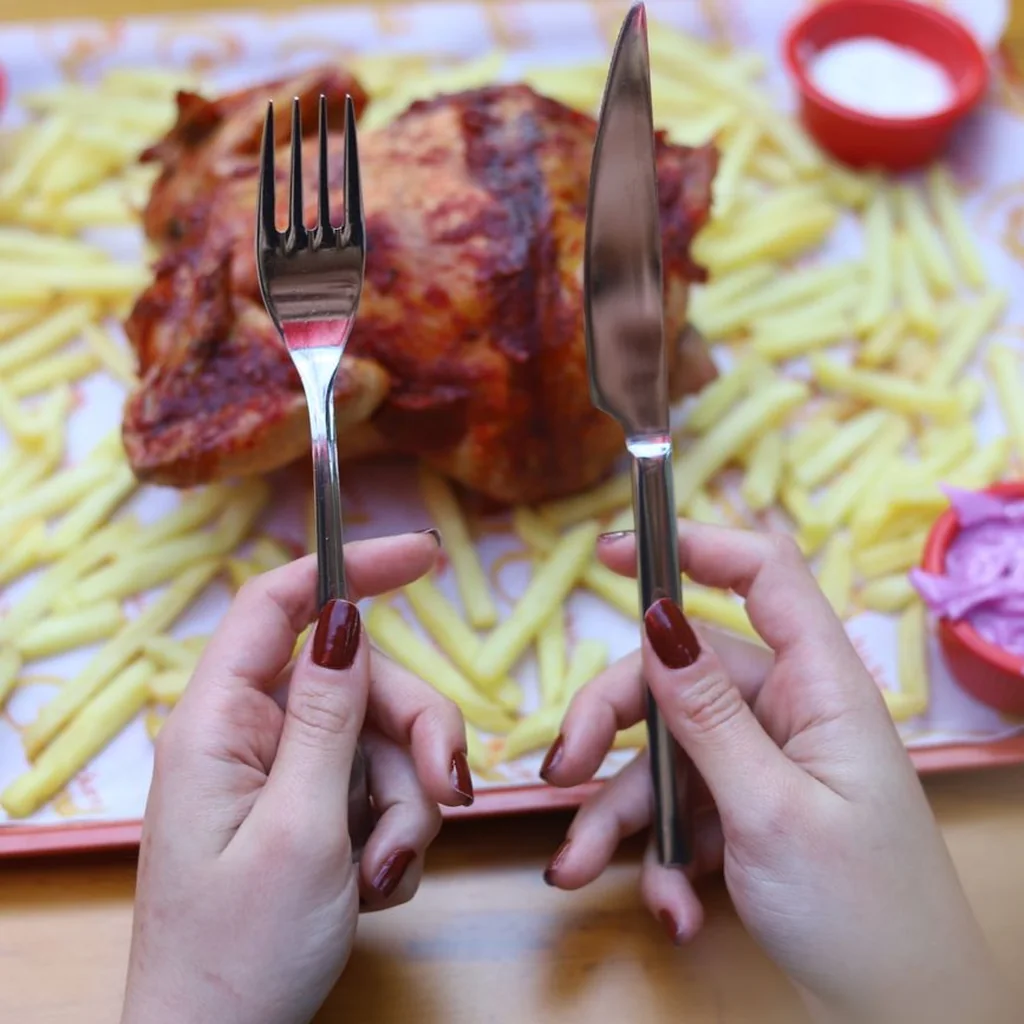
포크가 여러 개 있는 저녁 식사
A Dinner with Many Forks
Subin is at her first formal dinner, sitting in a restaurant with her mother's coworkers, and she is nervous about which fork to use.
Three short parts. Read each part in Korean first; tap “Show English” under a paragraph when you need the translation.


Part 1
수빈은 오늘 처음으로 격식을 차리는 저녁 식사 자리에 왔다. 엄마의 회사 사람들과 함께 식당에 앉으니 조금 긴장됐다.
Show EnglishHide English
Subin came to a formal dinner for the first time today. Sitting in a restaurant with her mother's coworkers made her a little nervous.
수빈은 새로 산 옷을 한 번 내려다봤다. 엄마는 웃으며 “편하게 있어도 돼”라고 작은 소리로 말했다.
Show EnglishHide English
Subin looked down at the new clothes she had bought. Her mother smiled and whispered, “You can just relax.”
하지만 하얀 접시 옆에는 포크가 여러 개 놓여 있었다. 수빈은 집에서 포크를 하나만 쓰기 때문에 어느 것을 써야 할지 몰랐다.
Show EnglishHide English
But there were several forks beside the white plate. At home, Subin used only one fork, so she did not know which one to use.
곧 직원이 작은 접시에 음식을 담아 왔다. 접시 위에는 새우와 초록색 채소가 예쁘게 놓여 있었다.
Show EnglishHide English
Soon, a staff member brought food on a small plate. Shrimp and green vegetables were arranged nicely on it.
“맛있어 보이네요.” 엄마가 말하자 옆에 앉은 사람도 웃으며 고개를 끄덕였다. 수빈도 웃었지만 접시보다 포크를 더 오래 바라봤다.
Show EnglishHide English
“It looks delicious,” her mother said. The person sitting next to them smiled and nodded. Subin smiled too, but she looked at the forks longer than at her plate.
다른 사람들이 동시에 작은 포크를 집었다. 수빈은 그런 모양의 포크를 처음 봤다.
Show EnglishHide English
Everyone else picked up a small fork at the same time. Subin had never seen a fork like that before.
옆에 앉은 사람이 잠시 포크를 내려놓자 수빈은 다른 사람들을 따라 조심스럽게 그 포크를 집었다. 그러자 옆 사람이 수빈을 바라봤다.
Show EnglishHide English
When the person next to her put down a fork for a moment, Subin carefully picked it up, following the others. Then the person looked at Subin.
수빈의 손이 그대로 멈췄다. 그 사람이 입을 열었다.
Show EnglishHide English
Subin's hand stopped moving. The person opened their mouth.
Part 2포크는 어느 쪽일까?(Which Fork Should I Use?)
“그건 제 포크인 것 같아요.” 옆에 앉은 사람이 조용히 말했다. 수빈은 자기 손에 든 포크와 그 사람 앞의 빈자리를 번갈아 봤다.
Show EnglishHide English
“I think that's my fork,” the person sitting next to her said quietly. Subin looked back and forth between the fork in her hand and the empty place in front of that person.
“아, 죄송해요!” 수빈은 얼른 포크를 내려놓았다. 얼굴이 뜨거워져서 물컵을 들었지만 물을 마실 생각도 나지 않았다.
Show EnglishHide English
“Oh, I'm sorry!” Subin quickly put the fork down. Her face felt hot, so she picked up her water glass, but she did not even feel like drinking.
“괜찮아요. 저도 처음에는 자주 헷갈렸어요.” 그 사람은 웃으며 자기 포크를 집었다. 수빈의 포크는 접시 왼쪽에 있었다.
Show EnglishHide English
“It's okay. I used to get confused too.” The person smiled and picked up their fork. Subin's fork was to the left of her plate.
수빈도 포크를 집어 새우를 먹었다. 생각보다 맛있어서 엄마를 보며 작게 웃었다.
Show EnglishHide English
Subin picked up her fork too and ate a shrimp. It tasted better than she expected, and she smiled a little at her mother.
잠시 후 직원이 빈 접시를 가져갔다. 수빈은 이제 좀 편해진 것 같아서 옆 사람에게 학교 이야기도 했다.
Show EnglishHide English
A little later, a staff member took away the empty plate. Subin felt a bit more comfortable now, so she talked with the person next to her about school.
그런데 다음 음식이 나오자 수빈은 다시 포크를 바라봤다. 이번에는 큰 접시에 고기와 감자가 담겨 있었고, 접시 양쪽에는 포크와 칼이 하나씩 남아 있었다.
Show EnglishHide English
But when the next dish arrived, Subin looked at the forks again. This time, meat and potatoes were on a large plate, and a fork and a knife remained, one on either side of it.
수빈은 포크를 왼손에 들었다. 그때 고기를 자르던 옆 사람이 수빈 쪽으로 몸을 조금 기울였다.
Show EnglishHide English
Subin held the fork in her left hand. Just then, the person next to her, who was cutting the meat, leaned a little toward Subin.
Part 3식당에서 배우는 예절(Learning Table Manners at the Restaurant)
“접시를 조금만 안쪽으로 옮겨 볼래요?” 옆 사람이 말했다. 수빈의 접시는 식탁 끝에 너무 가까이 놓여 있었다.
Show EnglishHide English
“Could you move your plate a little farther in?” the person next to her said. Subin's plate was too close to the edge of the table.
수빈은 접시를 옮기고 “이렇게요?” 하고 물었다. 그 사람은 고개를 끄덕이며 “네, 이제 편하게 드세요”라고 말했다.
Show EnglishHide English
Subin moved her plate and asked, “Like this?” The person nodded and said, “Yes, now enjoy your meal.”
수빈은 포크로 고기를 잡고 칼로 작은 조각을 잘랐다. 처음에는 손이 어색했지만 한 번 더 해 보니 조금 쉬워졌다.
Show EnglishHide English
Subin held the meat with her fork and cut off a small piece with her knife. Her hands felt awkward at first, but it got a little easier when she tried again.
엄마가 “음식은 어때?” 하고 묻자 수빈은 “고기가 부드러워요”라고 대답했다. 옆 사람도 감자가 맛있다며 수빈에게 먹어 보라고 했다.
Show EnglishHide English
When her mother asked, “How is the food?” Subin answered, “The meat is tender.” The person next to her also said the potatoes were delicious and told Subin to try them.
수빈은 감자를 한 입 먹고 고개를 끄덕였다. 세 사람은 좋아하는 음식에 관해 이야기하며 천천히 식사를 마쳤다.
Show EnglishHide English
Subin took a bite of potato and nodded. The three of them talked about their favorite foods and slowly finished their meal.
후식으로 작은 케이크가 나왔을 때 수빈은 접시 옆의 작은 포크를 집었다. 이번에는 자기 자리의 포크인지 먼저 확인했다.
Show EnglishHide English
When a small cake came for dessert, Subin picked up the small fork beside her plate. This time, she first checked that it was the fork at her place.
옆 사람이 수빈을 보고 웃자 수빈도 따라 웃었다. 식당에 처음 들어왔을 때보다 마음이 훨씬 편했다.
Show EnglishHide English
The person next to her looked at Subin and smiled, and Subin smiled back. She felt much more comfortable than when she had first entered the restaurant.
Practise this Korean story
Vocabulary in context
Important words and phrases
격식을 차리는
phraseRomanization: gyeoksigeul charineun
formal; dressy
오늘은 격식을 차리는 자리에 갔어요.
Today I went to a formal occasion.
긴장되다
verbRomanization: ginjangdoeda
to be nervous
처음 가는 자리라서 조금 긴장돼요.
I'm a little nervous because it's my first time there.
저녁 식사
noun phraseRomanization: jeonyeok siksa
dinner
우리 가족은 저녁 식사를 식당에서 했어요.
Our family had dinner at a restaurant.
포크
nounRomanization: pokeu
fork
이 포크는 누구 거예요?
Whose fork is this?
어느 것을 써야 할지 모르다
phraseRomanization: eoneu geoseul sseoya halji moreuda
not know which one to use
처음이라서 어느 것을 써야 할지 몰라요.
Because it's my first time, I don't know which one to use.
헷갈리다
verbRomanization: hetgallida
to get confused
포크가 비슷하면 자주 헷갈려요.
If the forks look similar, I often get confused.
내려놓다
verbRomanization: naeryeonota
to put down
그는 포크를 잠시 내려놓았어요.
He put the fork down for a moment.
옮기다
verbRomanization: omgida
to move; to shift
접시를 안쪽으로 조금 옮겨 주세요.
Please move the plate a little inward.
자르다
verbRomanization: jareuda
to cut
수빈은 고기를 작은 조각으로 잘랐어요.
Subin cut the meat into small pieces.
부드럽다
adjectiveRomanization: budeureopda
soft; tender
이 고기는 정말 부드러워요.
This meat is really tender.
후식
nounRomanization: husik
dessert
후식으로 작은 케이크를 먹었어요.
We ate a small cake for dessert.
Check your understanding
Comprehension questions
Choose an answer, check it, then move to the next question.
Question 1 of 3
- Question 1: current not answered
- Question 2: not answered
- Question 3: not answered
Notice the language
Language notes
N인 것 같아요
Use noun + 인 것 같아요 to make a soft guess or to say something politely when you are not fully sure. It sounds gentler than saying something directly. You can reuse it whenever you want to say 'I think it is...'. Example: "그건 제 포크인 것 같아요."
그건 제 포크인 것 같아요.
I think that's my fork.
More Korean stories to read next

파란 대문과 흰 담
The Blue Gate and the White Wall
On his first morning delivering newspapers in an alley, Junho has trouble telling apart houses with similar features.

초를 꽂은 케이크
The Cake with Candles
Jihye is at home having dinner with her friend Seoyeon, and she has a small birthday cake for her.

발목을 다친 도윤이
Doyun Injures His Ankle
Doyun has injured his ankle, and his doctor tells him to rest before Saturday’s football match against the neighboring school.

뜨거운 길 위의 지렁이
The Worm on the Hot Road
On a hot afternoon, Nayeon is walking home from school when she finds a worm in the middle of the road.