
Photo: cottonbro studio on Pexels
휴대전화가 꺼진 날
The Day the Phone Died
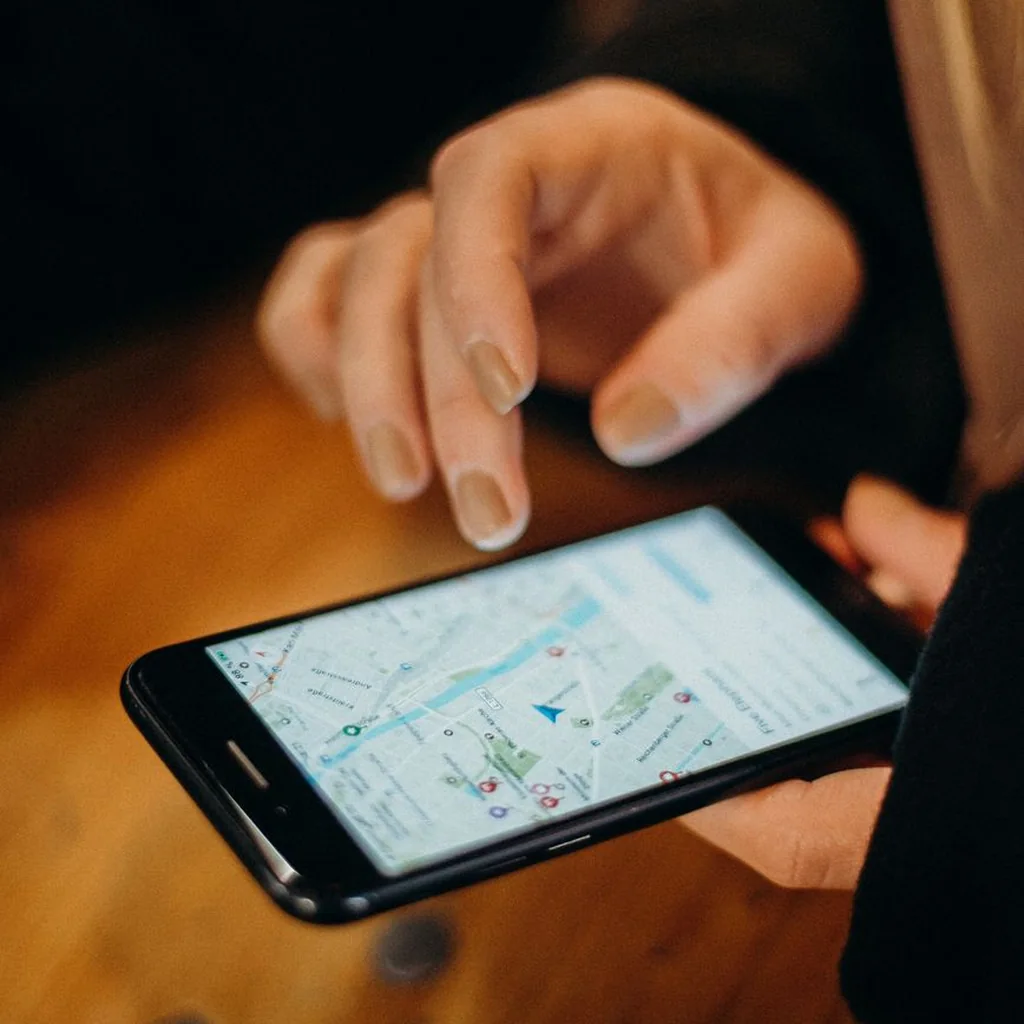
Jia is alone at a train station in another city, and her map, bus ticket, and hotel address are all on her phone.
Three short parts. Read each part in Korean first; tap “Show English” under a paragraph when you need the translation.


Part 1
지아는 기차역 앞에 서 있습니다. 오늘은 혼자 다른 도시에 왔습니다. 작은 가방에는 옷과 책이 있습니다.
Show EnglishHide English
Jia is standing in front of the train station. Today, she has come to another city alone. There are clothes and a book in her small bag.
지아는 버스를 타고 호텔에 가려고 합니다. 휴대전화에 지도와 버스 표, 호텔 주소가 모두 있습니다. 지아는 버스 정류장 앞에서 휴대전화를 꺼냅니다.
Show EnglishHide English
Jia is going to take a bus to her hotel. Her map, bus ticket, and hotel address are all on her phone. She takes out her phone in front of the bus stop.
그때 화면이 갑자기 꺼집니다. 지아는 버튼을 여러 번 누릅니다. 하지만 화면은 계속 까맣습니다.
Show EnglishHide English
Just then, the screen suddenly goes dark. Jia presses the button many times. But the screen stays black.
“아, 배터리가 없구나.”
Show EnglishHide English
“Oh, the battery is dead.”
지아는 가방을 열고 충전기를 찾습니다. 옷도 꺼내고 책도 꺼냅니다. 하지만 충전기는 집에 있습니다.
Show EnglishHide English
Jia opens her bag and looks for her charger. She takes out her clothes and her book, too. But the charger is at home.
버스가 정류장에 들어옵니다. 지아는 사람들과 함께 줄을 섭니다. 그리고 기사님 앞에서 가방을 다시 엽니다.
Show EnglishHide English
The bus pulls into the stop. Jia lines up with the other people. Then she opens her bag again in front of the driver.
“표를 보여 주세요.”
Show EnglishHide English
“Please show me your ticket.”
“표가 휴대전화에 있어요. 그런데 휴대전화가 꺼졌어요.”
Show EnglishHide English
“My ticket is on my phone. But my phone is off.”
뒤에 선 사람들이 조용히 기다립니다. 지아의 얼굴이 빨개집니다. 지아는 사람들에게 먼저 타라고 말하고 옆으로 갑니다.
Show EnglishHide English
The people behind her wait quietly. Jia’s face turns red. She tells them to get on first and steps aside.
버스가 떠난 뒤, 지아는 긴 의자에 앉습니다. 그때 옆에 앉은 여자가 지아에게 말을 겁니다.
Show EnglishHide English
After the bus leaves, Jia sits on a long bench. Then the woman sitting beside her starts talking to her.
Part 2버스 정류장에서 충전기(A Charger at the Bus Stop)
“괜찮아요? 버스를 못 탔어요?”
Show EnglishHide English
“Are you all right? Did you miss the bus?”
지아는 옆을 봅니다. 아까 줄에서 지아 뒤에 있던 여자입니다. 여자는 버스를 타지 않고 정류장에 남았습니다.
Show EnglishHide English
Jia looks beside her. It is the woman who was behind her in line earlier. The woman did not get on the bus and stayed at the stop.
“네. 표도 주소도 다 휴대전화에 있어요.”
Show EnglishHide English
“Yes. My ticket and address are both on my phone.”
“저도 다음 버스를 기다려요. 충전기 있어요?”
Show EnglishHide English
“I’m waiting for the next bus, too. Do you have a charger?”
“아니요. 집에 두고 왔어요.”
Show EnglishHide English
“No. I left it at home.”
여자는 가방에서 충전기와 작은 배터리를 꺼냅니다. 지아는 고맙다고 말하고 휴대전화를 충전기에 연결합니다. 잠시 후 화면에 불이 들어옵니다.
Show EnglishHide English
The woman takes a charger and a small battery out of her bag. Jia says thank you and connects her phone to the charger. A little later, the screen lights up.
“다행이다! 정말 고마워요.”
Show EnglishHide English
“That’s a relief! Thank you so much.”
지아는 먼저 버스 표를 엽니다. 그리고 호텔 주소도 찾습니다. 여자는 자기 휴대전화로 지도를 봅니다.
Show EnglishHide English
Jia opens her bus ticket first. Then she finds the hotel address, too. The woman looks at the map on her own phone.
“이 버스를 타면 돼요. 저도 같은 버스를 타요.”
Show EnglishHide English
“You can take this bus. I’m taking the same bus, too.”
지아는 웃으며 휴대전화를 빼고 충전기를 돌려주려고 합니다. 그런데 휴대전화 화면이 다시 꺼집니다.
Show EnglishHide English
Jia smiles, unplugs her phone, and starts to return the charger. But the phone screen goes dark again.
“어? 아직 배터리가 조금밖에 없어요.”
Show EnglishHide English
“Oh? There’s still only a little battery left.”
그때 다음 버스가 정류장으로 들어옵니다. 여자는 충전기와 배터리를 다시 지아에게 건넵니다. 지아는 버스와 충전기를 번갈아 봅니다.
Show EnglishHide English
Just then, the next bus pulls into the stop. The woman hands Jia the charger and battery again. Jia looks from the bus to the charger and back.
Part 3버스에서 만난 유진(Yujin on the Bus)
지아는 휴대전화를 다시 충전기에 연결합니다. 그리고 작은 배터리를 손에 들고 버스에 탑니다. 여자는 지아 뒤에서 함께 탑니다.
Show EnglishHide English
Jia connects her phone to the charger again. She holds the small battery in her hand and gets on the bus. The woman gets on behind Jia.
지아는 켜진 화면을 기사님께 보여 줍니다. 기사님은 표를 보고 고개를 끄덕입니다. 이번에는 지아도 편하게 웃습니다.
Show EnglishHide English
Jia shows the lit screen to the driver. The driver looks at the ticket and nods. This time, Jia smiles easily, too.
두 사람은 나란히 앉습니다. 지아는 휴대전화에서 호텔 주소를 다시 엽니다. 여자는 지도를 보고 어디에서 내려야 하는지 알려 줍니다.
Show EnglishHide English
The two sit side by side. Jia opens the hotel address on her phone again. The woman looks at the map and tells her where to get off.
“저도 그 정류장에서 내려요. 같이 내려요.”
Show EnglishHide English
“I’m getting off at that stop, too. Let’s get off together.”
“네, 정말 고마워요. 저는 지아예요.”
Show EnglishHide English
“Yes, thank you so much. I’m Jia.”
“저는 유진이에요.”
Show EnglishHide English
“I’m Yujin.”
버스가 천천히 길을 달립니다. 창밖에는 작은 가게와 사람들이 보입니다. 지아는 유진에게 오늘 이 도시에 처음 왔다고 말합니다.
Show EnglishHide English
The bus moves slowly along the road. Outside the window, they can see small shops and people. Jia tells Yujin that she came to this city for the first time today.
두 사람은 같은 정류장에서 내립니다. 호텔은 정류장 바로 앞에 있습니다. 지아는 충분히 충전된 휴대전화를 빼고 충전기와 배터리를 돌려줍니다.
Show EnglishHide English
The two get off at the same stop. The hotel is right in front of the stop. Jia unplugs her phone, which is now sufficiently charged, and returns the charger and battery.
“덕분에 잘 찾았어요.”
Show EnglishHide English
“Thanks to you, I found it easily.”
“즐거운 여행 하세요!”
Show EnglishHide English
“Have a nice trip!”
지아는 유진에게 손을 흔들고 호텔 안으로 들어갑니다. 이제 따뜻한 차를 마시며 조금 쉴 수 있습니다.
Show EnglishHide English
Jia waves to Yujin and goes into the hotel. Now she can drink some warm tea and rest for a while.
Practise this Korean story
Vocabulary in context
Important words and phrases
휴대전화
nounRomanization: hyudaejeonhwa
mobile phone
제 휴대전화에 사진이 있어요.
There are photos on my phone.
충전기
nounRomanization: chungjeongi
charger
휴대전화 충전기가 필요해요.
I need a phone charger.
배터리
nounRomanization: baeteori
battery
배터리가 없어요.
The battery is empty.
지도
nounRomanization: jido
map
지도를 보고 호텔을 찾아요.
I look at the map and find the hotel.
버스 정류장
nounRomanization: beoseu jeongnyujang
bus stop
버스 정류장에서 기다려요.
I wait at the bus stop.
표
nounRomanization: pyo
ticket
버스 표를 보여 주세요.
Please show the bus ticket.
주소
nounRomanization: juso
address
호텔 주소를 적어 주세요.
Please write down the hotel address.
가방
nounRomanization: gabang
bag
가방 안에 책이 있어요.
There is a book in the bag.
기사님
nounRomanization: gisanim
bus driver
기사님이 버스를 운전해요.
The driver drives the bus.
화면
nounRomanization: hwamyeon
screen
화면이 다시 켜졌어요.
The screen turned on again.
Check your understanding
Comprehension questions
Choose an answer, check it, then move to the next question.
Question 1 of 3
- Question 1: current not answered
- Question 2: not answered
- Question 3: not answered
Notice the language
Language notes
N에 있다 / 없다
Use 에 with 있다 or 없다 to say where something is, or where it is stored. In the story, “휴대전화에 지도와 버스 표, 호텔 주소가 모두 있습니다” means the map, ticket, and address are stored on the phone. You can reuse this pattern for places and devices: “제 지도는 휴대전화에 있어요.” and “충전기는 가방에 있어요.”
제 지도는 휴대전화에 있어요.
My map is on my phone.
충전기는 가방에 있어요.
The charger is in the bag.
More Korean stories to read next

생일 소원
A Birthday Wish
On his birthday, Seokjin goes to a restaurant with his friends Minseo and Eunyoung, where his friends ask him to say his birthday wish out loud.

도서관에서 차 강의
A Tea Lecture at the Library
Junyeong is at his neighborhood library for a lecture on making delicious tea.

지하철에서 찾은 지갑
The Wallet Found on the Subway
After work, Yeongsuk rides a crowded subway home and finds a small wallet with money, an ID, and a baby’s photo.

할머니 집의 점심 식사
Lunch at Grandma's House
At Grandma’s house, she makes lunch for twelve people, but only four grandchildren come to the table.