
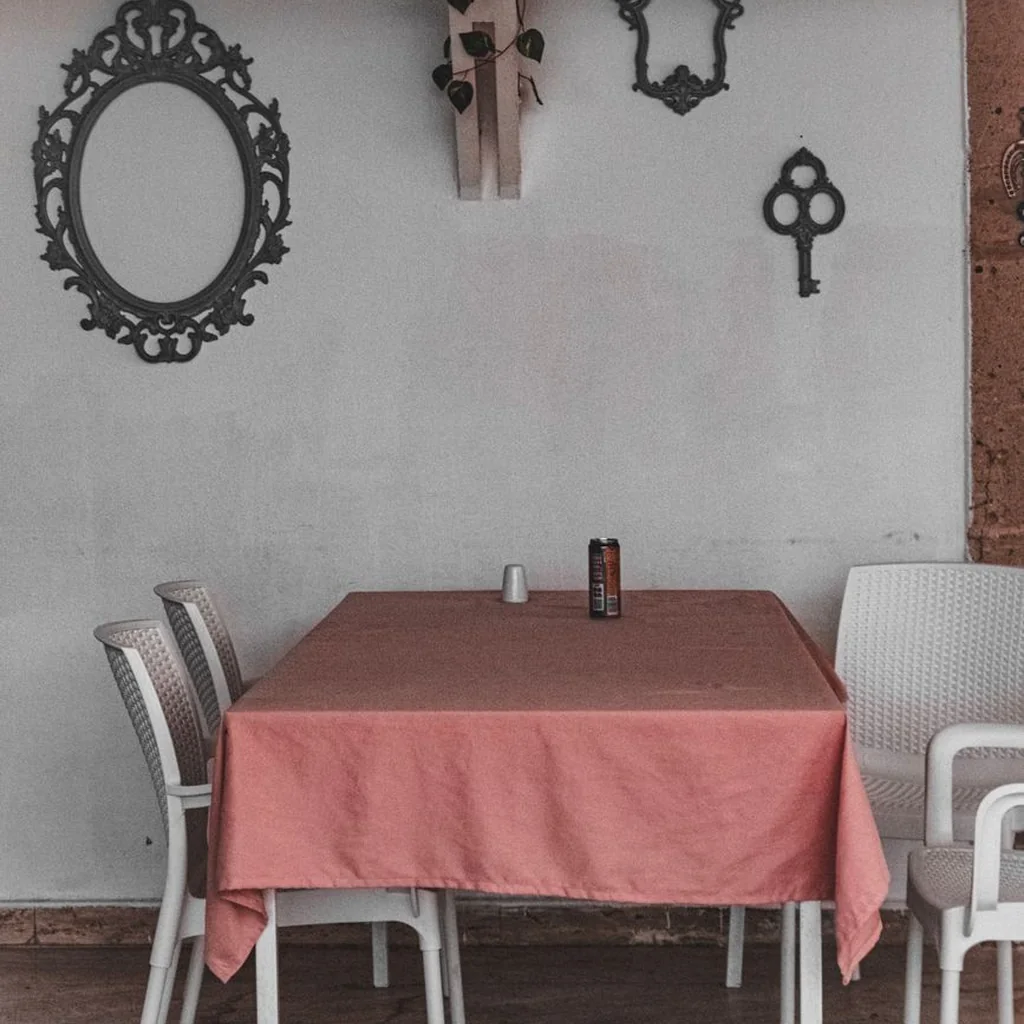
Photo: Ayşegül Aytören on Pexels
할머니 집의 점심 식사
Lunch at Grandma's House
At Grandma’s house, she makes lunch for twelve people, but only four grandchildren come to the table.
Three short parts. Read each part in Korean first; tap “Show English” under a paragraph when you need the translation.


Part 1
오늘은 할머니 집에서 가족이 같이 밥을 먹는 날이에요. 할머니는 아침부터 부엌에서 바쁘게 일해요.
Show EnglishHide English
Today is the day the family eats together at Grandma’s house. Grandma has been busy in the kitchen since morning.
할머니는 열두 사람이 먹을 밥을 해요. 큰 냄비에는 국이 있고, 접시에는 고기와 나물이 있어요.
Show EnglishHide English
Grandma cooks rice for twelve people. There is soup in a big pot, and there is meat and seasoned vegetables on plates.
식탁 위에는 숟가락과 젓가락이 열두 벌 있어요. 할머니는 음식을 다 차리고 웃어요.
Show EnglishHide English
There are twelve sets of spoons and chopsticks on the table. Grandma finishes setting out the food and smiles.
열두 시가 되자 손주 네 명이 와요. 손주들은 손을 씻고 식탁에 앉아요.
Show EnglishHide English
At twelve o’clock, four grandchildren arrive. They wash their hands and sit at the table.
할머니도 의자에 앉아서 문을 봐요. 그런데 한참 기다려도 아무도 오지 않아요.
Show EnglishHide English
Grandma sits in a chair too and watches the door. But even after waiting a long time, no one else comes.
“다른 사람들은 언제 와요?” 수아가 물어요. 할머니는 휴대전화를 보고 말해요.
Show EnglishHide English
“When are the others coming?” Sua asks. Grandma looks at her phone and says,
“오늘은 너희 네 명만 올 수 있대.” 할머니는 잠시 식탁을 바라봐요.
Show EnglishHide English
“They say only you four can come today.” Grandma looks at the table for a moment.
빈 의자가 많아요. 음식도 아주 많아요. 할머니는 국 냄비의 뚜껑을 열고 손주들을 봐요.
Show EnglishHide English
There are many empty chairs. There is a lot of food, too. Grandma opens the lid of the soup pot and looks at her grandchildren.
“우리끼리 이걸 다 먹을 수 있을까?”
Show EnglishHide English
“Can we eat all this by ourselves?”
Part 2남은 음식과 작은 통(Leftover Food and Small Containers)
손주들은 큰 냄비를 봐요. 진우가 웃으며 말해요. “제가 국을 많이 먹을게요!”
Show EnglishHide English
The grandchildren look at the big pot. Jinwoo smiles and says, “I’ll eat a lot of soup!”
할머니는 진우의 그릇에 국을 담아요. 다른 손주들에게도 국을 주고, 고기와 나물을 가까이 놓아요.
Show EnglishHide English
Grandma puts soup in Jinwoo’s bowl. She gives soup to the other grandchildren too, and puts the meat and seasoned vegetables close to them.
“자, 많이 먹어.” 할머니도 손주들과 함께 먹어요.
Show EnglishHide English
“Here, eat a lot.” Grandma eats with her grandchildren, too.
진우는 국을 두 그릇 먹어요. 수아는 고기를 한 번 더 먹어요. 모두 맛있게 먹지만, 접시에는 음식이 아직 많이 남아 있어요.
Show EnglishHide English
Jinwoo eats two bowls of soup. Sua has another serving of meat. Everyone eats happily, but there is still a lot of food on the plates.
“할머니, 정말 맛있어요. 그런데 저는 이제 배가 불러요.” 수아가 숟가락을 놓아요.
Show EnglishHide English
“Grandma, it’s really delicious. But I’m full now.” Sua puts down her spoon.
다른 손주들도 숟가락을 놓아요. 진우는 자기 그릇과 큰 냄비를 번갈아 봐요.
Show EnglishHide English
The other grandchildren put down their spoons too. Jinwoo looks back and forth between his bowl and the big pot.
“저도 더는 못 먹겠어요.” 진우의 말에 모두 웃어요.
Show EnglishHide English
“I can’t eat any more either.” Everyone laughs at Jinwoo’s words.
할머니는 남은 음식을 보고 잠시 생각해요. “괜찮아. 집에 가져가서 내일 먹으렴.”
Show EnglishHide English
Grandma looks at the leftover food and thinks for a moment. “That’s okay. Take it home and eat it tomorrow.”
할머니가 음식을 담을 통을 꺼내려고 일어나요. 그런데 찬장 안에는 작은 통 두 개만 있어요.
Show EnglishHide English
Grandma gets up to take out containers for the food. But there are only two small containers in the cupboard.
Part 3할머니 집의 음식 나누기(Sharing Food at Grandma's House)
할머니는 작은 통 두 개를 식탁 위에 놓아요. 수아가 통을 보고 말해요. “이 통에는 고기만 담아요.”
Show EnglishHide English
Grandma puts the two small containers on the table. Sua looks at them and says, “Let’s put only the meat in these containers.”
할머니와 손주들은 고기를 두 통에 나누어 담아요. 진우는 부엌에서 큰 그릇 두 개를 가져와요.
Show EnglishHide English
Grandma and the grandchildren divide the meat between the two containers. Jinwoo brings two big bowls from the kitchen.
“이 그릇에는 나물을 담을 수 있어요.” 진우가 말해요. 할머니는 그릇을 보고 고개를 끄덕여요.
Show EnglishHide English
“We can put the seasoned vegetables in these bowls,” Jinwoo says. Grandma looks at the bowls and nods.
손주들은 그릇에 나물을 담고 접시로 그릇을 덮어요. 국과 밥은 할머니가 내일 집에서 먹기로 해요.
Show EnglishHide English
The grandchildren put the seasoned vegetables in the bowls and cover them with plates. Grandma decides to eat the soup and rice at home tomorrow.
식탁이 깨끗해지자 할머니는 사과를 깎아요. 손주들은 할머니 곁에 다시 앉아서 사과를 먹어요.
Show EnglishHide English
When the table is clean, Grandma peels an apple. The grandchildren sit beside Grandma again and eat the apple.
“다음에는 조금만 해도 돼요.” 수아가 말해요. “오늘 음식이 정말 맛있어서 또 먹고 싶어요.”
Show EnglishHide English
“Next time, you can make just a little,” Sua says. “Today’s food was so delicious that I want to eat it again.”
할머니가 웃어요. “그래, 다음에는 너희가 오는지 먼저 물어볼게.”
Show EnglishHide English
Grandma smiles. “Okay, next time I’ll ask first if you’re coming.”
손주들도 함께 웃어요. 집에 갈 때 손주들은 음식이 담긴 통과 그릇을 조심히 들고 할머니에게 손을 흔들어요.
Show EnglishHide English
The grandchildren laugh together too. When they leave, they carefully carry the containers and bowls of food and wave to Grandma.
Practise this Korean story
Vocabulary in context
Important words and phrases
같이 밥을 먹다
phraseRomanization: gachi babeul meokda
to eat together
우리는 주말에 같이 밥을 먹어요.
We eat together on weekends.
부엌
nounRomanization: bueok
kitchen
엄마는 부엌에 있어요.
Mom is in the kitchen.
식탁
nounRomanization: siktak
dining table
식탁 위에 물이 있어요.
There is water on the table.
손을 씻다
phraseRomanization: soneul ssitda
to wash one's hands
밥을 먹기 전에 손을 씻어요.
I wash my hands before eating.
배가 부르다
phraseRomanization: baega bureuda
to be full
저는 이제 배가 불러요.
I am full now.
남은 음식
noun phraseRomanization: nameun eumsik
leftover food
남은 음식을 내일 먹어요.
We eat the leftover food tomorrow.
통
nounRomanization: tong
container
이 통에 과일을 넣어요.
Put the fruit in this container.
나누어 담다
phraseRomanization: nanu-eo damda
to divide and pack
음식을 두 그릇에 나누어 담아요.
We divide the food into two bowls.
가져가다
verbRomanization: gajyeogada
to take something away / take home
이 빵은 집에 가져가요.
Take this bread home.
사과를 깎다
phraseRomanization: sagwareul kkakda
to peel an apple
할머니가 사과를 깎아요.
Grandma peels/cuts the apples.
Check your understanding
Comprehension questions
Choose an answer, check it, then move to the next question.
Question 1 of 3
- Question 1: current not answered
- Question 2: not answered
- Question 3: not answered
Notice the language
Language notes
명사만
"만" attaches to a noun and means "only" or "just." Use it when you want to limit one thing. In the story, "고기만 담아요" means "Put only meat in it." You can reuse this pattern with many nouns, like "물만" or "지금만."
이 통에는 고기만 담아요.
Put only meat in this container.
More Korean stories to read next

약 이름을 읽기 어려운 지훈
Jihoon Struggles to Read a Medicine Name
Jihoon is at a pharmacy with a piece of paper on which the doctor wrote a medicine name that he cannot read aloud.
바람에 날아간 낙엽
Leaves Blown Away
Siwoo is gathering yellow leaves in front of his house, where many have fallen in the yard and on the road.

설날 아침의 문자
A Text on Lunar New Year’s Morning
On Lunar New Year’s morning, Sua gets a text from Jimin inviting her over, while her mother sets the table.
다트 게임 마지막 한 판
The Last Round of Darts
In a small pub, Eunyeong and Minsu are playing their last game, and Eunyeong needs to hit the narrow outer section of the sixteen-point space to win.