
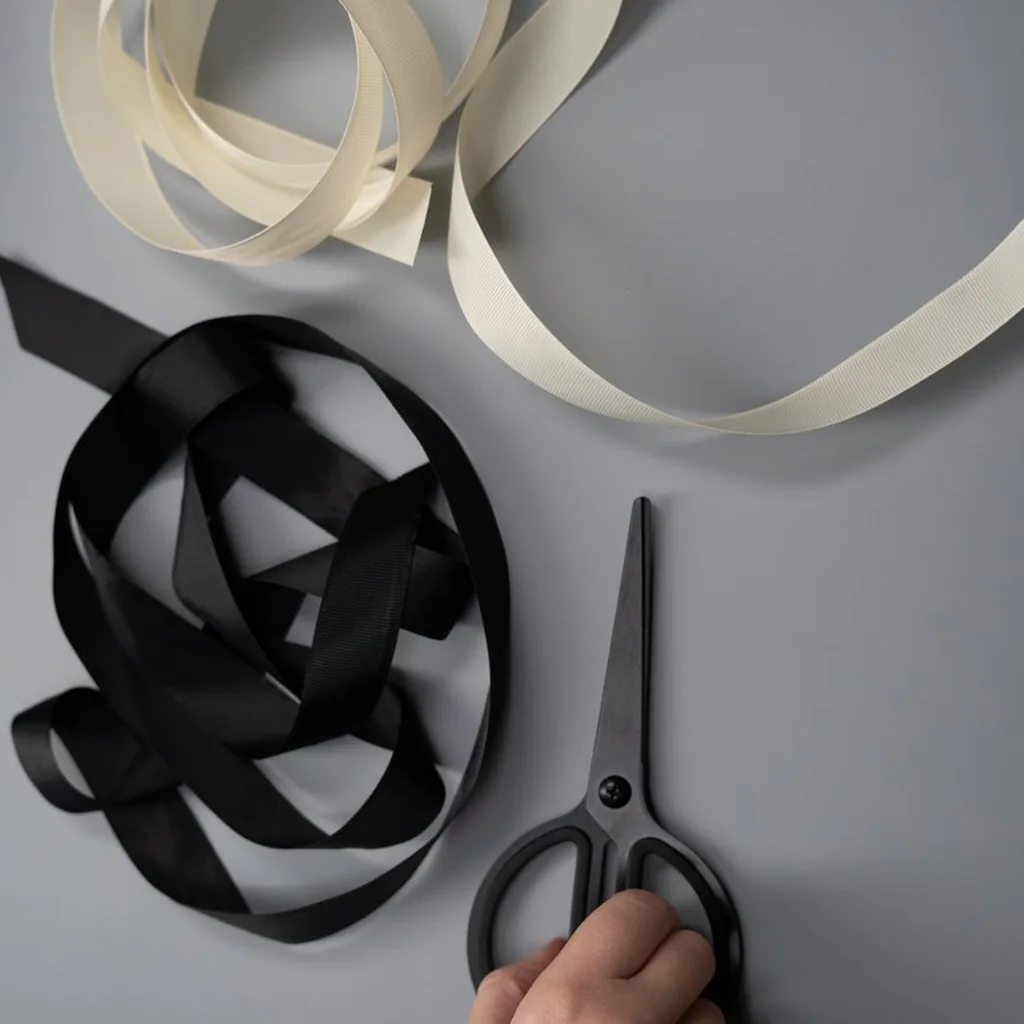
Photo: cottonbro studio on Pexels
Die Eröffnung des Cafés
The Café Opening
On the day a small café opens on the street, Hannah gives her grandfather a large pair of scissors to cut the ribbon.
Three short parts. Read each part in German first; tap “Show English” under a paragraph when you need the translation.


Part 1
Heute eröffnet das kleine Café in der Straße. Vor der Tür steht ein Tisch mit Kuchen und Saft. Ein rotes Band hängt vor dem Eingang.
Show EnglishHide English
Today, the small café on the street is opening. In front of the door, there is a table with cake and juice. A red ribbon hangs in front of the entrance.
Die Nachbarn warten und sprechen leise miteinander. Hannah arbeitet im Café. Sie gibt ihrem Großvater eine große Schere.
Show EnglishHide English
The neighbors wait and talk quietly to each other. Hannah works at the café. She gives her grandfather a large pair of scissors.
„Du darfst das Band durchschneiden, Opa“, sagt sie. „Dann ist das Café offen.“
Show EnglishHide English
“You can cut the ribbon, Grandpa,” she says. “Then the café will be open.”
Opa freut sich. Er stellt sich vor die Tür und lächelt. Hannah und die Nachbarn sehen ihn an.
Show EnglishHide English
Grandpa is happy. He stands in front of the door and smiles. Hannah and the neighbors look at him.
Opa nimmt die Schere in beide Hände, aber sie geht nicht auf. Er versucht es noch einmal. Sein Gesicht wird rot.
Show EnglishHide English
Grandpa takes the scissors in both hands, but they will not open. He tries again. His face turns red.
„Einen Moment“, sagt er und zieht fester. Doch die Schere bleibt zu.
Show EnglishHide English
“Just a moment,” he says and pulls harder. But the scissors stay closed.
Ein Nachbar lacht leise. Auch Opa muss lachen. „Das fängt ja gut an“, sagt er.
Show EnglishHide English
A neighbor laughs quietly. Grandpa laughs too. “Well, this is off to a good start,” he says.
Da kommt Hannah zu ihm und sieht sich die Schere an.
Show EnglishHide English
Then Hannah comes over to him and looks at the scissors.
Part 2Die alte Schere(The Old Scissors)
Hannah nimmt die Schere in die Hand. „Hier ist ein kleiner Knopf“, sagt sie. Sie drückt darauf und gibt Opa die Schere zurück.
Show EnglishHide English
Hannah takes the scissors in her hand. “There is a small button here,” she says. She presses it and gives the scissors back to Grandpa.
Jetzt geht sie auf. Die Nachbarn klatschen, und Opa verbeugt sich. „Danke, danke“, sagt er.
Show EnglishHide English
Now they open. The neighbors clap, and Grandpa bows. “Thank you, thank you,” he says.
Dann stellt er sich wieder vor das rote Band. Er setzt die Schere an und drückt zu. Das Band rutscht zur Seite, aber es bleibt ganz.
Show EnglishHide English
Then he stands in front of the red ribbon again. He places the scissors on it and squeezes. The ribbon slides to the side, but it stays whole.
Opa versucht es noch einmal, langsam und mit beiden Händen. Wieder passiert nichts.
Show EnglishHide English
Grandpa tries again, slowly and with both hands. Again, nothing happens.
Hannah hält das Band fest. „Jetzt geht es bestimmt“, sagt sie. Doch auch beim dritten Mal schneidet die Schere nicht.
Show EnglishHide English
Hannah holds the ribbon steady. “Now it will work for sure,” she says. But the scissors still do not cut on the third try.
Opa sieht Hannah an und sagt: „Die Schere ist wohl zu alt.“
Show EnglishHide English
Grandpa looks at Hannah and says, “The scissors are probably too old.”
„Vielleicht“, sagt Hannah. Sie sieht zum Tisch mit dem Kuchen. Neben den Tellern liegt noch eine kleine Schere.
Show EnglishHide English
“Maybe,” says Hannah. She looks at the table with the cake. There is also a small pair of scissors beside the plates.
Part 3Die Schere für das Café(The Scissors for the Café)
Hannah holt die kleine Schere vom Tisch und gibt sie Opa. „Mit der habe ich heute das Backpapier für den Kuchen geschnitten“, sagt sie. „Versuch es mal.“
Show EnglishHide English
Hannah gets the small scissors from the table and gives them to Grandpa. “I used these to cut the baking paper for the cake today,” she says. “Give them a try.”
Opa nimmt die Schere und öffnet sie. Diesmal geht es ganz leicht. Hannah hält das rote Band wieder fest.
Show EnglishHide English
Grandpa takes the scissors and opens them. This time, it is very easy. Hannah holds the red ribbon steady again.
Opa setzt die Schere an und drückt zu. Das Band ist durch! Die Nachbarn klatschen, und Hannah öffnet die Tür zum Café.
Show EnglishHide English
Grandpa places the scissors on the ribbon and squeezes. The ribbon is cut! The neighbors clap, and Hannah opens the café door.
Opa hält die Schere hoch und verbeugt sich noch einmal. Jetzt lachen alle, auch er.
Show EnglishHide English
Grandpa holds up the scissors and bows once more. Now everyone laughs, including him.
Drinnen setzt sich Opa an einen Tisch am Fenster. Hannah bringt ihm ein großes Stück Kuchen und eine Tasse Kaffee. „Das hast du dir verdient“, sagt sie.
Show EnglishHide English
Inside, Grandpa sits at a table by the window. Hannah brings him a large piece of cake and a cup of coffee. “You deserve this,” she says.
Opa probiert den Kuchen. „Sehr gut“, sagt er. „Für das nächste Café bringe ich meine eigene Schere mit.“
Show EnglishHide English
Grandpa tastes the cake. “Very good,” he says. “For the next café, I’ll bring my own scissors.”
Practise this German story
Vocabulary in context
Important words and phrases
Café
nouncafé
Das Café ist offen.
The café is open.
Straße
nounstreet
Das Café ist in der Straße.
The café is on the street.
Tür
noundoor
Hannah öffnet die Tür.
Hannah opens the door.
Nachbarn
nounneighbors
Die Nachbarn warten vor dem Café.
The neighbors wait outside the café.
warten
verbto wait
Die Nachbarn warten.
The neighbors wait.
Schere
nounscissors
Opa nimmt die Schere.
Grandpa takes the scissors.
Band
nounribbon
Das Band ist rot.
The ribbon is red.
klatschen
verbto clap
Die Nachbarn klatschen.
The neighbors clap.
Kuchen
nouncake
Hannah bringt ihm ein großes Stück Kuchen.
Hannah brings him a large piece of cake.
Kaffee
nouncoffee
Hannah bringt ihm eine Tasse Kaffee.
Hannah brings him a cup of coffee.
Check your understanding
Comprehension questions
Choose an answer, check it, then move to the next question.
Question 1 of 3
- Question 1: current not answered
- Question 2: not answered
- Question 3: not answered
Notice the language
Language notes
geht ... auf
German has separable verbs. With aufgehen, the prefix auf goes to the end in a normal sentence: 'Die Tür geht auf.' You can reuse this pattern when something opens.
Die Tür geht auf.
The door opens.
More German stories to read next
Das kleine Konzert
The Little Concert
Sebastian goes to a small concert with Julia, and a woman gives him a program he cannot read.

Klaus macht seine Übungen
Klaus Does His Exercises
Klaus sits on the sofa in his living room with a sheet of exercises for his leg beside him.

Claras Schwimmen im See
Clara Swims in the Lake
Clara is alone at a calm lake on a warm afternoon, and the water suddenly turns very cold beneath her feet.

Nina und der Kinoabend
Nina and the Movie Night
Sixteen-year-old Nina has movie tickets on her table, but her mother asks her to look after five-year-old Elias at home.