
Photo: Tony Zohari on Pexels
Finding the Birthday Candles
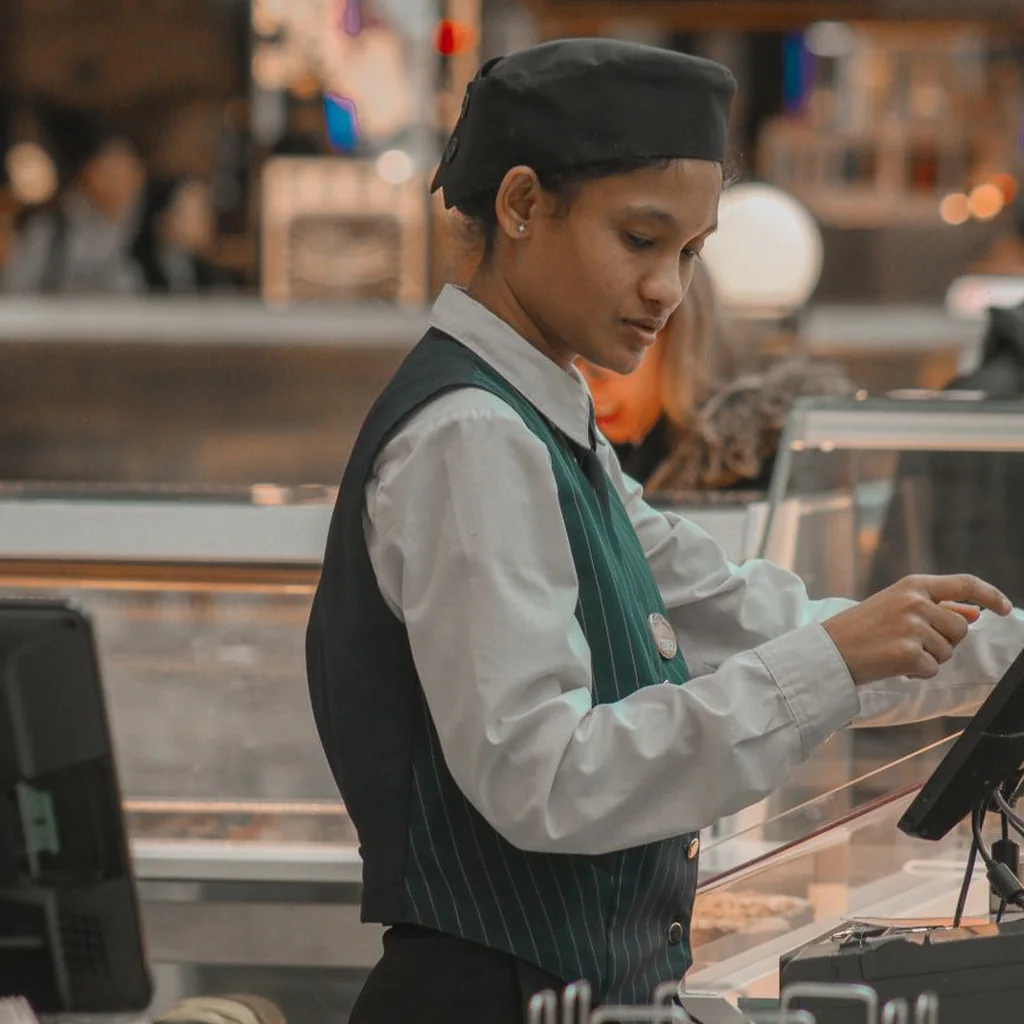
On her first day on the shop floor, Mei cannot find the birthday candles a customer needs for his son's cake.
Three short parts. Read each part once for the main idea, then check the key words explained below the story.


Part 1
Mei had been on the shop floor for twenty minutes when a customer stopped beside her. She was still trying to remember where everything belonged.
“Excuse me,” he said. “Where can I find the birthday candles?”
Mei looked down the long row of shelves. There were cups, plates and packets of napkins, but she couldn't see any candles.
“I think they're near the party things,” she said. “I'll show you.”
She led him past the plates and stopped in front of a shelf full of paper hats. The customer waited while she checked each shelf, even the bottom one.
“It's my first day,” Mei admitted. “I'm not sure where they are.”
“That's all right,” he said, though he glanced at his watch. “I just need some for my son's cake.”
Mei spotted Grace, another shop assistant, carrying a box at the end of the row. She waved, and Grace put the box down and came over.
“Do you know where the birthday candles are?” Mei asked.
Grace smiled. “Yes. Come with me.”
Part 2The Missing Birthday Candle
Grace led Mei and the customer to a display near the front of the shop. Small packets of birthday candles hung between balloons and cards.
“There they are,” Grace said. “We moved them here yesterday.”
Mei felt relieved. She had walked past the display twice that morning without noticing the candles.
The customer picked up a packet of blue ones. “These will do. Thank you both.”
Grace went back to her box, and Mei stayed by the display. She studied it carefully, hoping she would remember it the next time someone asked.
A moment later, the customer returned. “Sorry,” he said. “Do you have a number eight candle? It's my son's eighth birthday.”
Mei looked at the display again. She could see candles shaped like numbers, but they were mixed together on one hook.
She took them down and spread the packets on a nearby shelf. There were two threes, a five, a six and several nines, but no eight.
The customer checked his watch again. Mei looked toward Grace, then noticed another row of packets behind the cards.
Part 3Right Here
Mei reached behind the cards and pulled out the packets. Most held small silver stars, but one contained a bright red number eight.
“Is this the kind you wanted?” she asked.
The customer smiled. “That's perfect. Red is his favourite colour.”
Mei handed him the candle and put the other packets back. He thanked her, then walked to the till with both packets in his hand.
Grace came over as Mei was returning the number candles to their hook. “You found one,” she said.
“It was hiding behind the cards,” Mei said. “I was worried I'd have to tell him we didn't have any.”
Grace helped her arrange the numbers so they were easier to see. “If you can't find something, it's fine to ask me. I'm still learning where things are too.”
A little later, another customer stopped beside the display. “Excuse me, where are the birthday candles?” she asked.
Mei smiled and pointed to the packets in front of them. “Right here. The number candles are just beside the balloons.”
The customer chose a packet, and Mei went back to work feeling much more at home.
Practise this English story
Vocabulary in context
Important words and phrases
shop floor
noun phraseMeaning: the area in a shop where customers walk around and look at things
Mei had been on the shop floor for twenty minutes when a customer stopped beside her.
customer
nounMeaning: a person who buys things in a shop
A customer stopped beside her.
row of shelves
noun phraseMeaning: a line of shelves in a shop
Mei looked down the long row of shelves.
shelf
nounMeaning: a flat board on a wall or in a shop where things are kept
She checked each shelf, even the bottom one.
admit
verbMeaning: say something honest, often something personal or embarrassing
“It's my first day,” Mei admitted.
relieved
adjectiveMeaning: feeling happy because a worry has gone away
Mei felt relieved.
display
nounMeaning: a group of goods arranged so people can see them
Grace led Mei and the customer to a display near the front of the shop.
notice
verbMeaning: see something and realize it is there
She had walked past the display twice that morning without noticing the candles.
mixed together
phraseMeaning: put in one group without order
They were mixed together on one hook.
put back
phrasal verbMeaning: return something to the place where it belongs
She handed him the candle and put the other packets back.
till
nounMeaning: the place where you pay in a shop
He thanked her, then walked to the till with both packets in his hand.
Check your understanding
Comprehension questions
Choose an answer, check it, then move to the next question.
Question 1 of 3
- Question 1: current not answered
- Question 2: not answered
- Question 3: not answered
Notice the language
Language notes
If you can't find something, it's fine to ask me.
This pattern is useful for giving polite, calm help. The if-clause names the problem: "if you can't find something". The second part says what is okay: "it's fine to ask me." You can reuse it in many situations, for example: "If you can't find the tape, it's fine to ask me."
If you can't find the tape, it's fine to ask me.
More English stories to read next

Learning to Cut Their Own Food
At dinner, John realizes his children can cut their own food, and he feels quiet without the job he has done for years.

The Missing Lucky Socks
Before the school race, Claire finds her lucky socks wet in the laundry basket and must wear plain white ones instead.

The Right Moment
Ben has carried a ring box for a week and is trying to find a quiet moment to give it to Grace.

The Blurry Sentence
Janet sits near the back of her classroom and cannot read the words on the board when her teacher asks her to read a sentence aloud.