
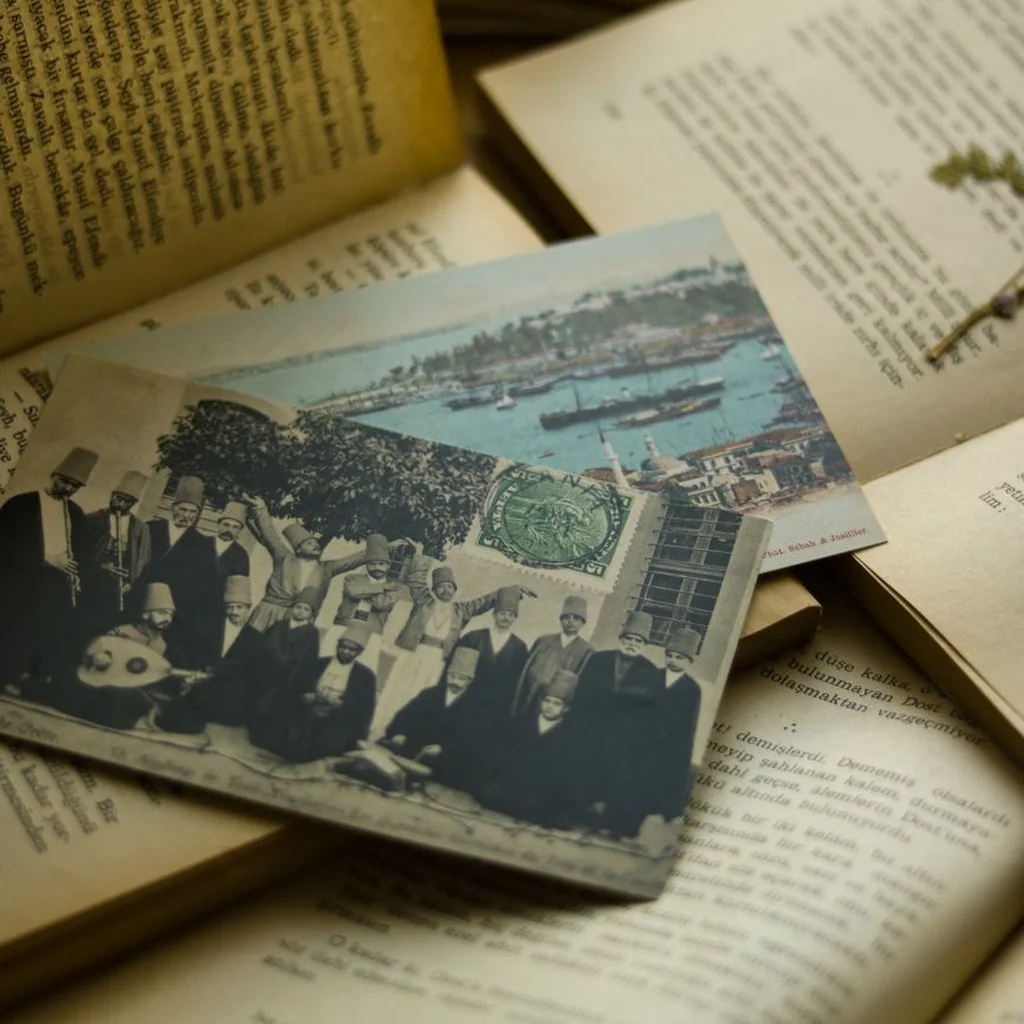
Photo: Feyza Daştan on Pexels
비 오는 광장의 엽서
The Postcard from the Rainy Square
Daeun keeps a postcard from a man she met at a bakery near a rain-soaked square on the last day of her trip, unsure how to reply.
Three short parts. Read each part in Korean first; tap “Show English” under a paragraph when you need the translation.


Part 1
다은은 책상 서랍을 열 때마다 엽서를 안쪽으로 밀어 넣었다. 맨 위에 둔 적도 없는데 서랍을 닫고 나면 모서리가 꼭 밖으로 삐져나왔다.
Show EnglishHide English
Whenever Daeun opened her desk drawer, she pushed the postcard farther inside. She had never put it on top, yet whenever she closed the drawer, one corner always stuck out.
앞면에는 비에 젖은 광장이 찍혀 있었다. 작년 여행의 마지막 날, 다은은 그 광장 근처 빵집에서 우산을 접다가 옆 사람의 신발에 물을 쏟았다.
Show EnglishHide English
The front showed a square wet with rain. On the last day of her trip the year before, Daeun had been folding her umbrella at a bakery near that square when she splashed water onto the shoes of the person beside her.
“괜찮아요. 어차피 돌아가면 벗을 건데요.”
Show EnglishHide English
“It’s all right. I was going to take them off when I got back anyway.”
그렇게 대꾸한 남자와 다은은 빵집이 문을 닫을 때까지 얘기했다. 서로 어디에 사는지, 무슨 일을 하는지도 물었지만 다은에게 선명하게 남은 건 남자가 빵 봉지를 접어 물컵 밑에 받치던 손과 식어 버린 커피 맛이었다.
Show EnglishHide English
Daeun and the man who had replied that way talked until the bakery closed. They asked each other where they lived and what they did, but what stayed vivid in Daeun’s mind was the man’s hand as he folded a bread bag and tucked it under a glass of water, and the taste of the coffee after it had gone cold.
엽서는 두 달 뒤에 왔다. 잘 지내느냐는 말 아래에는 그날 둘이 한참을 두고 고르던 빵 이름이 적혀 있었다. 다은은 그 이름을 보고 혼자 웃다가 엽서를 뒤집어 놓았다.
Show EnglishHide English
The postcard arrived two months later. Beneath the words asking how she was, he had written the name of the bread they had spent so long choosing that day. Daeun saw the name and smiled to herself, then turned the postcard over.
답장을 쓰려고 앉은 건 그 뒤로도 여러 번이었다. 별일 없이 지낸다는 말은 너무 밋밋했고, 그날을 자주 떠올렸다는 말은 쓰고 나니 둘이 나눈 얘기보다 훨씬 무거워 보였다.
Show EnglishHide English
She sat down to write a reply many times after that. Saying she had been getting on as usual felt too bland, while writing that she often thought about that day looked, once on paper, much heavier than anything they had actually talked about.
그날 우연히 말이 잘 통했던 걸 굳이 다시 꺼냈다가 서로 할 말이 없어지면 어쩌나 싶기도 했다. 빵집 문을 나서서 각자 다른 쪽으로 걸어갔을 때 이미 끝난 얘기였을지도 몰랐다.
Show EnglishHide English
She also worried that if she brought up how easily they had talked that day, they might find they had nothing left to say to each other. Perhaps it had all ended the moment they left the bakery and walked off in opposite directions.
그날 저녁, 다은은 서랍을 정리하다가 엽서를 꺼내 식탁에 올려놓았다. 마침 집에 들른 채원이 앞면을 들여다보더니 물었다.
Show EnglishHide English
That evening, while tidying the drawer, Daeun took out the postcard and set it on the table. Chaewon, who had dropped by, looked at the front and asked,
“여기 네가 갔던 데지? 사진이 좀 흐리네.”
Show EnglishHide English
“This is where you went, right? The picture’s a little blurry.”
“비가 왔거든. 사진도 비 오는 날 찍었나 봐.”
Show EnglishHide English
“It was raining. I guess the picture was taken on a rainy day, too.”
채원은 뒷면을 읽어도 되느냐고 눈짓했고, 다은은 잠깐 망설이다 고개를 끄덕였다. 채원은 몇 줄을 읽고는 엽서를 내려놓았다.
Show EnglishHide English
Chaewon gestured to ask if she could read the back, and Daeun hesitated briefly before nodding. Chaewon read a few lines, then put the postcard down.
“답장은 했어?”
Show EnglishHide English
“Did you reply?”
“아직. 지금 하기엔 좀 늦었지?”
Show EnglishHide English
“Not yet. It’s a bit late to do it now, isn’t it?”
“글쎄. 뭐라고 쓰려고 했는데?”
Show EnglishHide English
“I don’t know. What were you going to write?”
다은이 입을 열었다가 닫자, 채원이 식탁 위 메모지를 한 장 떼어 다은 앞으로 밀었다. “한번 써 봐. 내가 받는 사람이라고 생각하고.”
Show EnglishHide English
Daeun opened her mouth, then closed it. Chaewon tore off a sheet of memo paper from the pad on the table and slid it toward her. “Try writing something. Imagine I’m the person receiving it.”
Part 2엽서와 늦은 답장(The Postcard and the Late Reply)
다은은 채원을 한번 쳐다보고 메모지에 날짜부터 적었다. 펜을 손끝에서 한참 굴리다가 ‘엽서 잘 받았어요’라고 쓰자 채원이 고개를 끄덕였다.
Show EnglishHide English
Daeun glanced at Chaewon and wrote the date on the memo paper first. After rolling the pen between her fingertips for a long time, she wrote, “Thank you for your postcard,” and Chaewon nodded.
“거기까지는 괜찮네.”
Show EnglishHide English
“That part’s fine.”
“그다음이 문제야. 이제 와서 잘 받았다고 하면 우체통에 반년쯤 넣어 둔 사람 같잖아.”
Show EnglishHide English
“The next part is the problem. If I thank you for it now, I’ll sound like someone who left it in the mailbox for half a year.”
“그럼 늦었다고 해. 사실이니까.”
Show EnglishHide English
“Then say you’re late. It’s true.”
다은은 그 말을 적었다가 줄을 그었다. 늦어서 미안하다고 쓰려니 상대가 답장을 기다리고 있었을 거라고 지레 짐작하는 것 같았고, 아무렇지 않게 넘어가려니 엽서를 받자마자 서랍에 처박아 둔 것 같았다.
Show EnglishHide English
Daeun wrote that down, then crossed it out. If she wrote that she was sorry for the delay, it would seem as though she was assuming the other person had been waiting for her reply; if she breezed past it as if nothing had happened, it would seem as though she had shoved the postcard into a drawer as soon as it arrived.
채원이 옆에서 손을 뻗었다. “줘 봐. 내가 답장해 줄게.”
Show EnglishHide English
Chaewon reached out from beside her. “Give it here. I’ll write the reply for you.”
다은은 웃으면서도 메모지를 넘겼다. 채원은 잠깐 고민하더니 ‘별말씀을요. 그런데 누구시죠?’라고 적어 돌려줬다.
Show EnglishHide English
Daeun passed over the memo paper, laughing despite herself. Chaewon thought for a moment, then wrote, “You’re welcome. By the way, who are you?” and handed it back.
“야, 그건 너무하잖아.”
Show EnglishHide English
“Hey, that’s too much.”
“네가 그렇게 걱정하는 것 같아서. 그 사람이 널 기억 못 하면 어쩌나 하고.”
Show EnglishHide English
“You seem so worried about it. What if he doesn’t remember you?”
다은은 메모지를 구겨 채원에게 던졌다. 채원은 가볍게 받아 휴지통에 넣더니, 이번에는 자기가 엽서를 보낸 사람이라며 손을 내밀었다.
Show EnglishHide English
Daeun crumpled the memo paper and threw it at Chaewon. Chaewon caught it easily and tossed it into the wastebasket, then held out her hand, saying she would be the person who had sent the postcard this time.
“다시 써 봐. 이번엔 안 놀릴게.”
Show EnglishHide English
“Try again. I won’t tease you this time.”
다은은 새 종이에 ‘답장이 많이 늦었네요. 엽서에 적어 준 빵 이름을 보고 그날 생각이 났어요’라고 썼다. 거기서 멈추자 채원은 종이를 받아 읽고는 다은을 빤히 바라봤다.
Show EnglishHide English
On a fresh sheet, Daeun wrote, “My reply is very late. The name of the bread you wrote on the postcard brought that day back to me.” When she stopped there, Chaewon took the paper, read it, and stared straight at Daeun.
“그래서 나는 뭐라고 답해?”
Show EnglishHide English
“So what am I supposed to write back?”
“잘 지낸다고 하면 되지.”
Show EnglishHide English
“You can say you’re doing well.”
“그럼 네가 또 잘 지내라고 쓰고, 나는 고맙다고 쓰고?”
Show EnglishHide English
“Then you’ll write ‘I hope you keep doing well,’ and I’ll write ‘Thank you’?”
다은은 채원의 손에서 종이를 빼앗았다. 채원이 얄밉기는 했지만, 자기가 쓴 문장만 봐도 대화를 어디로 이어 가야 할지 막막했다.
Show EnglishHide English
Daeun snatched the paper from Chaewon’s hand. Chaewon was annoying, but even looking at the sentence she had written, Daeun couldn’t imagine where to take the conversation next.
한참 뒤 다은은 그날 빵집에서 남자가 골랐던 빵 이야기를 적었다. 둘 다 첫입을 먹고는 너무 달아서 웃었는데, 남자가 자기 몫은 끝내 먹겠다며 커피를 더 주문했던 일이 떠올랐다.
Show EnglishHide English
A long while later, Daeun wrote about the bread the man had chosen at the bakery that day. They had both taken a bite and laughed because it was too sweet, and she remembered how he had ordered more coffee, saying he would finish his share after all.
“이건 어때? 여기서도 그 빵을 봤는데 아직 사 먹을 용기가 안 난다고.”
Show EnglishHide English
“What about this? I could say I saw that bread here, too, but still haven’t worked up the courage to buy it.”
채원이 피식 웃었다. “그 정도면 나도 뭐라고 할 말은 있겠다.”
Show EnglishHide English
Chaewon gave a small laugh. “That would give me something to say, at least.”
다은은 서랍에서 새 엽서를 꺼내 방금 쓴 말을 옮겨 적었다. 남은 자리에 수신인 주소를 쓰려고 여행 중 찍은 사진들을 넘기던 다은이 손을 멈췄다.
Show EnglishHide English
Daeun took a new postcard from the drawer and copied over what she had just written. Then, as she flipped through her trip photos for the address to write in the remaining space, she stopped.
“주소를 찍어 둔 줄 알았는데, 뒷부분이 잘렸어.”
Show EnglishHide English
“I thought I’d taken a picture of the address, but the end is cut off.”
Part 3엽서와 빵(The Postcard and the Bread)
채원이 엽서를 받아 사진과 번갈아 봤다. 거리 이름까지는 선명했지만 그 뒤의 건물 번호가 보이지 않았다.
Show EnglishHide English
Chaewon took the postcard and compared it with the photo. The street name was clear, but the building number after it could not be seen.
“봉투는 없어? 엽서가 봉투에 들어 있었던 거 아니야?”
Show EnglishHide English
“Don’t you have the envelope? Didn’t the postcard come inside one?”
다은은 고개를 끄덕이고 서랍 속을 뒤졌다. 봉투에 붙은 우표가 예뻐서 버리지 않았던 것까지는 기억났는데, 어디에 넣었는지가 가물가물했다.
Show EnglishHide English
Daeun nodded and rummaged through the drawer. She remembered keeping the envelope because she liked the stamp on it, but she couldn’t recall where she had put it.
영수증과 충전기 사이를 뒤지던 채원이 납작한 봉투 하나를 꺼냈다. 우표가 붙은 쪽을 본 다은이 반색했지만, 뒤집어 보니 그건 여행 전에 예약 확인서를 받았던 봉투였다.
Show EnglishHide English
While searching between receipts and chargers, Chaewon pulled out a flat envelope. Daeun brightened when she saw the side with the stamp, but when she turned it over, she realized it was the envelope that had held her reservation confirmation before the trip.
“이건 또 왜 갖고 있어?”
Show EnglishHide English
“Why do you still have this?”
“그러게. 이참에 좀 버려야겠다.”
Show EnglishHide English
“Good question. I should throw some things out while I’m at it.”
다은은 서랍을 통째로 빼 식탁에 올렸다. 바닥에 깔린 종이 밑에서 구겨진 봉투가 나왔고, 이번에는 뒷면에 보낸 사람의 주소가 적혀 있었다.
Show EnglishHide English
Daeun pulled the entire drawer out and set it on the table. Beneath the papers lining the bottom, she found a crumpled envelope, and this time the sender’s address was written on the back.
다은은 주소를 천천히 베껴 쓴 뒤 펜을 내려놓았다. 채원이 다 쓴 엽서를 들여다보려 하자 다은은 얼른 손바닥으로 가렸다.
Show EnglishHide English
Daeun copied the address slowly, then put down the pen. When Chaewon tried to look at the completed postcard, Daeun quickly covered it with her palm.
“아까는 읽어 보라며.”
Show EnglishHide English
“You told me to read it before.”
“아까 쓴 거랑 조금 달라.”
Show EnglishHide English
“It’s a little different from what I wrote earlier.”
채원은 몸을 물리면서도 웃음을 감추지 않았다. 다은은 채원이 신발을 신는 동안 마지막 문장을 한 번 더 읽었다. 그때 먹었던 빵을 다시 먹어 봤는지 묻는 말이었다.
Show EnglishHide English
Chaewon leaned back, still unable to hide her grin. While Chaewon put on her shoes, Daeun read the final sentence once more. It asked whether he had ever tried the bread they had eaten that day again.
둘은 함께 우체통이 있는 편의점까지 걸었다. 다은은 엽서를 넣기 전에 뒤집어 그림을 보고, 주소를 다시 확인했다.
Show EnglishHide English
They walked together to the convenience store with a mailbox outside. Before putting the postcard in, Daeun turned it over to look at the picture and checked the address again.
“또 가져가려는 거 아니지?”
Show EnglishHide English
“You’re not going to take it back again, are you?”
“번호 하나 틀리면 엉뚱한 데 가잖아.”
Show EnglishHide English
“If I get one number wrong, it’ll go to the wrong place.”
채원이 우체통 입구를 손으로 가리켰다. 다은은 한숨을 쉬는 척하며 엽서를 밀어 넣었고, 안에서 종이가 가볍게 떨어지는 소리가 났다.
Show EnglishHide English
Chaewon pointed to the mailbox slot. Pretending to sigh, Daeun slid the postcard in, and they heard the light sound of paper dropping inside.
편의점 진열대에는 아까 얘기한 것과 비슷한 빵이 놓여 있었다. 다은이 한참 들여다보자 채원이 집게를 들었다.
Show EnglishHide English
On the convenience-store display sat a bread roll similar to the one they had just talked about. When Daeun stood looking at it for a long time, Chaewon picked up a pair of tongs.
“이번에는 내가 반 먹어 줄게.”
Show EnglishHide English
“This time, I’ll eat half for you.”
둘은 빵 하나를 사서 가게 앞 의자에 앉았다. 채원이 먼저 한입 베어 물고 눈썹을 치켜올리자 다은은 웃으면서 나머지를 받아 들었다.
Show EnglishHide English
They bought one bread roll and sat on the bench outside the store. Chaewon took the first bite and raised her eyebrows, and Daeun laughed as she took the rest.
Practise this Korean story
Vocabulary in context
Important words and phrases
삐져나오다
verbRomanization: ppijyeonaoda
to stick out; to protrude
서랍을 닫고 나면 모서리가 꼭 밖으로 삐져나왔다.
After she closed the drawer, the corner always stuck out.
밋밋하다
adjectiveRomanization: minmitada
to feel flat; dull; lacking nuance
별일 없이 지낸다는 말은 너무 밋밋했고, 그날을 자주 떠올렸다는 말은 훨씬 무거워 보였다.
Saying she had been doing fine felt too flat, and saying she often thought about that day seemed much heavier.
지레 짐작하다
verbRomanization: jire jimjakhada
to assume too quickly; to jump to a conclusion
늦어서 미안하다고 쓰려니 상대가 답장을 기다리고 있었을 거라고 지레 짐작하는 것 같았다.
Writing 'I'm sorry I'm late' felt as if she were assuming, without basis, that the other person had been waiting for a reply.
막막하다
adjectiveRomanization: mangmakhada
to feel at a loss; to feel stuck and unsure how to proceed
자기가 쓴 문장만 봐도 대화를 어디로 이어 가야 할지 막막했다.
Even just looking at the sentence she had written, she felt at a loss for where to take the conversation.
반색하다
verbRomanization: bansaekhada
to brighten up with pleasure; to react eagerly
우표가 붙은 쪽을 본 다은이 반색했지만, 뒤집어 보니 그건 여행 전에 예약 확인서를 받았던 봉투였다.
Daeun brightened up when she saw the side with the stamp, but when she turned it over, it was the envelope that had held her booking confirmation before the trip.
가물가물하다
adjectiveRomanization: gamulgamulhada
to be hazy; to be dim in memory
봉투에 붙은 우표가 예뻐서 버리지 않았던 것까지는 기억났는데, 어디에 넣었는지가 가물가물했다.
She remembered keeping the envelope because the stamp was pretty, but where she had put it was hazy.
얄밉다
adjectiveRomanization: yalmipda
to be irritating or annoyingly cheeky
채원이 얄밉기는 했지만, 자기가 쓴 문장만 봐도 대화를 어디로 이어 가야 할지 막막했다.
Chaewon was irritating, but even just looking at her own sentence left Daeun unsure how to continue the conversation.
엉뚱한 데
phraseRomanization: eongttunghan de
the wrong or inappropriate place; somewhere irrelevant
번호 하나 틀리면 엉뚱한 데 가잖아.
If you get one number wrong, it goes to the wrong place.
처박아 두다
verbRomanization: cheobaga duda
to stuff away; to leave something tucked away and ignored
엽서를 받자마자 서랍에 처박아 둔 것 같았다.
It seemed as if she had stuffed the postcard into the drawer as soon as she received it.
한숨을 쉬는 척하다
phraseRomanization: hansumeul swineun cheokhada
to pretend to sigh
다은은 한숨을 쉬는 척하며 엽서를 밀어 넣었고, 안에서 종이가 가볍게 떨어지는 소리가 났다.
Daeun pretended to sigh and pushed the postcard in, and from inside came the light sound of paper dropping.
Check your understanding
Comprehension questions
Choose an answer, check it, then move to the next question.
Question 1 of 3
- Question 1: current not answered
- Question 2: not answered
- Question 3: not answered
Notice the language
Language notes
V-기는 했지만
This pattern adds a concessive nuance: the speaker admits the first part is true, then shifts to a contrasting point in the main clause. It is useful for softening judgment, making a point more carefully, or showing mixed feelings. You attach -기는 했지만 to a verb or adjective stem. Example: "채원이 얄밉기는 했지만, 자기가 쓴 문장만 봐도 대화를 어디로 이어 가야 할지 막막했다." This means 'Chaewon was irritating, but...' and the second clause carries the main emphasis.
채원이 얄밉기는 했지만, 자기가 쓴 문장만 봐도 대화를 어디로 이어 가야 할지 막막했다.
Chaewon was irritating, but even just looking at her own sentence left Daeun unsure how to continue the conversation.
More Korean stories to read next

문방구의 지우개
The Eraser from the Stationery Shop
Before going to his lessons, Minjun stops by the neighborhood stationery shop, where an older boy, Jaemin, slips an eraser into his jacket pocket.

보건실에서
At the School Nurse’s Office
Sua goes to the school nurse’s office from class, saying her stomach hurts, while a test is being handed out.

첫 물고기
The First Fish
Fishing with his father at the water’s edge, Hyunwoo catches his first fish, the one he had boasted he would take home and grill for dinner.
귤 껍질과 비밀
Tangerine Peels and Secrets
At home, Ye-eun sits at the dining table peeling a tangerine and must keep her mother’s message about Grandma’s birthday cake a secret until six.