


Back to Advanced (C1) stories

Unlock the Complete Learning Experience

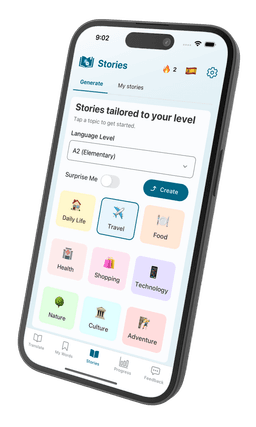
You're reading free stories on our website. Get the mobile app for audio narration, speaking practice, vocabulary saving, personalised stories, instant translations, and progress tracking.

Download on the App StoreGet it on Google Play
Audio
Translations
Progress

전통과 현대의 사이에서

Advanced (C1)
5 min read

📖 You are reading the free text version. Get our mobile app for 🎧 audio narration, 💬 speaking practice, 🔄 instant translations, and 💾 vocabulary saving to enhance your learning experience.

세종대왕 동상 앞, 늘 그렇듯 관광객들이 몰려드는 가운데 희진은 조용히 주변을 둘러보았다. 그녀는 전통과 현대 사이에서 자신만의 문화를 발견하고자 서울 도심의 오래된 골목을 찾아 나섰다.

처음 발걸음을 옮긴 곳은 한지 공방이었다. 손끝에서 탄생하는 종이 한 장 한 장에 담긴 정성과 시간이 그녀의 마음을 차분하게 했다. ‘‘이런 전통이 어떻게 지금까지 이어졌을까?’’ 희진은 의문을 품었다.

골목을 더 걷다 보니, 전통과 현대가 섞인 가게들이 눈에 띄었다. 한 카페에는 고풍스러운 한옥 형태지만 내부는 최첨단 기기로 가득 차 있었다. 주인 아저씨는 "우린 과거와 현재를 함께 잇는 다리 역할을 하고 싶다"고 말했다.

하지만 어떤 이들은 이러한 변화에 불편함을 느꼈다. 가까이서 만난 할머니는 "옛것이 사라지는 게 아쉽다"며 고개를 저었다. 두 세대의 문화에 대한 시선 차이가 희진을 생각에 빠지게 했다.

그녀는 결국 카페 창가에 앉아 주변을 관찰했다. 현대적 기술과 전통이 섞인 이 공간에서 사람들은 각기 다른 방식으로 자신의 문화를 받아들이고 있었다. 어떤 이는 스마트폰으로 사진을 찍고, 또 다른 이는 옛날 방식의 서예를 배우고 있었다.

희진은 대답 없는 질문을 마음에 담으며 천천히 골목을 걸어 나왔다. 전통과 현대가 충돌하는 그 한가운데에서, 문화는 결코 멈추지 않고 변해 가고 있음을 느꼈다. 해결되지 않은 역설처럼, 그녀는 이 모습을 가만히 지켜보고 싶었다.

Practise this Korean story

Vocabulary in context

Important words and phrases

  • 전통과 현대 사이에서

    adverbial phrase

    Romanization: jeontonggwa hyeondae saieseo

    between tradition and modernity

    그는 전통과 현대 사이에서 균형을 찾으려 했다.

    He tried to find balance between tradition and modernity.

  • 몰려드는 가운데

    adverbial phrase

    Romanization: mollyeodeuneun gaunde

    amid the gathering crowd

    주말에는 관광객이 몰려드는 가운데에도 그는 묵묵히 작업을 이어 갔다.

    Even amid the crowd that gathers on weekends, he continued working silently.

  • 오래된 골목

    noun phrase

    Romanization: oraedoen golmok

    an old alleyway

    오래된 골목을 걷다 보면 도시의 다른 얼굴이 보인다.

    If you walk through old alleyways, you see a different face of the city.

  • 정성과 시간

    noun phrase

    Romanization: jeongseonggwa sigan

    care and time invested

    장인의 정성과 시간이 담긴 작품은 오래 기억된다.

    A work filled with a craftsperson's care and time invested is remembered for a long time.

  • 의문을 품었다

    verb phrase

    Romanization: uimuneul pum-eotda

    to harbor a doubt; to wonder

    그는 그 결정의 이유에 대해 오래 의문을 품었다.

    He harbored doubts for a long time about the reason for that decision.

  • 눈에 띄었다

    verb phrase

    Romanization: nune ttwieotda

    to stand out; to catch one's eye

    전통과 현대가 섞인 건물들이 먼저 눈에 띄었다.

    The buildings blending tradition and modernity stood out first.

  • 다리 역할을 하고 싶다

    verb phrase

    Romanization: dari yeokhal-eul hago sipda

    to want to serve as a bridge

    이 전시는 지역 주민과 방문객을 잇는 다리 역할을 하고 싶다.

    This exhibition wants to serve as a bridge connecting local residents and visitors.

  • 불편함을 느꼈다

    verb phrase

    Romanization: bulpyeonhameul neukkyeotda

    to feel uneasy; to feel discomfort

    그는 급격한 변화 앞에서 막연한 불편함을 느꼈다.

    He felt a vague unease in the face of rapid change.

  • 시선 차이

    noun phrase

    Romanization: siseon chai

    difference in perspective

    세대 간 시선 차이를 좁히려면 대화가 필요하다.

    Dialogue is needed to narrow the difference in perspective between generations.

  • 생각에 빠지게 했다

    verb phrase

    Romanization: saenggage ppajige haetda

    made her fall into thought

    그 소식은 그녀를 한동안 깊은 생각에 빠지게 했다.

    That news made her fall into deep thought for quite a while.

  • 해결되지 않은 역설

    noun phrase

    Romanization: haegyeoldoji aneun yeogseol

    an unresolved paradox

    도시의 발전은 때로 해결되지 않은 역설을 남긴다.

    Urban development sometimes leaves behind an unresolved paradox.

Check your understanding

Comprehension questions

Choose an answer, check it, then move to the next question.

Question 1 of 3

  1. Question 1: current not answered
  2. Question 2: not answered
  3. Question 3: not answered
희진이 골목을 걸으며 생각에 빠지게 된 가장 큰 이유는 무엇인가?What was the main reason Hyejin fell into thought as she walked through the alley?

Notice the language

Language notes

usage

A와 B를 함께 잇는 다리 역할을 하다

This metaphor means to connect two sides that may seem separate, such as tradition and modernity, generations, or theory and practice. It is useful in formal or reflective writing when you want to describe something that mediates between two worlds. Example: "이 전시는 지역 주민과 방문객을 잇는 다리 역할을 한다." This means "This exhibition serves as a bridge connecting local residents and visitors."}]}]}]}}]}]}]}]}]}]}]}]}]}]}]}]}]}]}]}]}}]}]}]}]}]}]}]}]}]}]}]}]}]}]}]}]}]}]}]}]}]}]}]}] }}]}]}]}]}]}]}]}]}]}]}]}]}]}]}]}]}]}]}]}]}]}]}]}]}]}]}]}]}]}]}]}]}]}]}]}]}]}]}]}]}]}]}]}]}]}]}]}]}]}]}]}]}]}]}]}]}]}]}]}]}]}]}]}]}]}]}]}]}]}]}]}]}]}]}]}]}]}]}]}]}]}]}]}]}]}]}]}]}]}]}]}]}]}]}]}]}]}]}]}]}]}]}]}]}]}]}]}]}]}]}]}]}]}]}

  • placeholder

    placeholder

Keep reading

More Advanced (C1) Stories
KoreanAdvanced (C1)