


Back to Elementary (A2) stories

Unlock the Complete Learning Experience

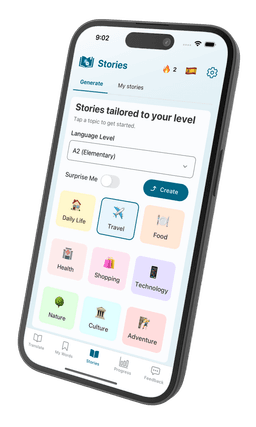
You're reading free stories on our website. Get the mobile app for audio narration, speaking practice, vocabulary saving, personalised stories, instant translations, and progress tracking.

Download on the App StoreGet it on Google Play
Audio
Translations
Progress

새로운 가족 식사 규칙

Elementary (A2)
5 min read

📖 You are reading the free text version. Get our mobile app for 🎧 audio narration, 💬 speaking practice, 🔄 instant translations, and 💾 vocabulary saving to enhance your learning experience.

아침 햇살이 부엌 창문을 아름답게 비쳤다. 지은이는 가족과 함께 아침을 먹으면서 새로운 생각을 했다.

지은이의 가족은 모두 바쁘고 식사 시간이 달랐다. 그날, 지은이는 제안했다. "우리 앞으로 매주 일요일 저녁에만 함께 식사해요."

가족들은 조금 놀랐지만 지은이의 말에 귀를 기울였다. 아버지는 "그럼 일요일 저녁에는 모두 모여야 하는 거네"라며 웃었다. 어머니는 "그 시간이 가족에게 중요할 거야"라고 말했다.

첫 일요일, 모두가 바쁘게 모였다. 그리고 각자가 한 주 동안 있었던 이야기를 하나씩 나누기 시작했다. 조용했던 집안이 웃음과 이야기로 가득 찼다.

그런데 식사 중에 동생 준호가 갑자기 말했다. "나는 매일 가족과 밥 먹는 게 좋아요."

그 말에 모두 생각에 잠겼다. 가족 모두 시간이 다르지만, 준호의 말처럼 매일 작은 순간이라도 함께하는 시간을 찾는 것이 중요하다는 것을 깨달았다.

이후, 가족은 일요일 저녁 식사뿐 아니라, 짧은 아침 인사나 밤 인사를 잊지 않았다. 지은이는 그렇게 가족 모두가 조금씩 더 가까워지는 것을 느꼈다.

완벽한 규칙은 아니지만, 서로를 생각하는 마음이 커졌다는 점이 가장 큰 변화였다. 가족의 모습은 언제나 변하지만, 그 작은 노력들이 큰 의미를 만든다는 것을 알았다.

Practise this Korean story

Vocabulary in context

Important words and phrases

  • 가족

    noun

    Romanization: gajok

    family

    우리 가족은 저녁에 함께 식사해요.

    Our family eats together in the evening.

  • 함께

    adverb

    Romanization: hamkke

    together

    우리는 함께 아침을 먹어요.

    We eat breakfast together.

  • 식사

    noun

    Romanization: siksa

    meal; eating a meal

    우리는 저녁 식사를 함께 해요.

    We eat dinner together.

  • 매주

    adverb

    Romanization: maeju

    every week

    우리는 매주 일요일에 만나요.

    We meet every Sunday.

  • 일요일 저녁

    noun phrase

    Romanization: iryoil jeonyeok

    Sunday evening

    일요일 저녁에 가족이 모여요.

    The family gathers on Sunday evening.

  • 모이다

    verb

    Romanization: moida

    to gather; to come together

    친구들이 공원에 모였어요.

    The friends gathered at the park.

  • 이야기

    noun

    Romanization: iyagi

    story; things people talk about

    오늘 있었던 이야기를 나눠요.

    We share what happened today.

  • 인사

    noun

    Romanization: insa

    greeting

    아침 인사를 하고 학교에 가요.

    I say a morning greeting and go to school.

  • 중요하다

    adjective

    Romanization: jungyohada

    to be important

    가족과 보내는 시간은 중요해요.

    Time spent with family is important.

  • 가까워지다

    verb

    Romanization: gakkawojida

    to get closer

    우리는 자주 이야기하면서 더 가까워져요.

    We get closer by talking often.

Check your understanding

Comprehension questions

Choose an answer, check it, then move to the next question.

Question 1 of 3

  1. Question 1: current not answered
  2. Question 2: not answered
  3. Question 3: not answered
지은이는 무엇을 제안했나요?What did Ji-eun suggest?

Notice the language

Language notes

usage

N뿐 아니라

This pattern means "not only A, but also B." Put it after a noun phrase when you want to add another related thing. It is useful when one thing is important, but not the only important thing. Example: "이후, 가족은 일요일 저녁 식사뿐 아니라, 짧은 아침 인사나 밤 인사를 잊지 않았다." This means the family did not only keep Sunday dinner, but also kept short morning and night greetings.

  • 이후, 가족은 일요일 저녁 식사뿐 아니라, 짧은 아침 인사나 밤 인사를 잊지 않았다.

    After that, the family did not only keep Sunday dinner, but also kept short morning and night greetings.

Keep reading

More Elementary (A2) Stories
KoreanElementary (A2)