
Photo: Diego Silveira on Pexels
Tims erster Tag in der Küche
Tim’s First Day in the Kitchen
On his first day as a cook, Tim works in a busy little restaurant and prepares a dish with potatoes, vegetables, and sauce.
Three short parts. Read each part in German first; tap “Show English” under a paragraph when you need the translation.


Part 1
Tim ist neu in der Küche. Heute ist sein erster Tag als Koch. Das kleine Restaurant ist voll, und alle haben viel zu tun.
Show EnglishHide English
Tim is new in the kitchen. Today is his first day as a cook. The small restaurant is full, and everyone has a lot to do.
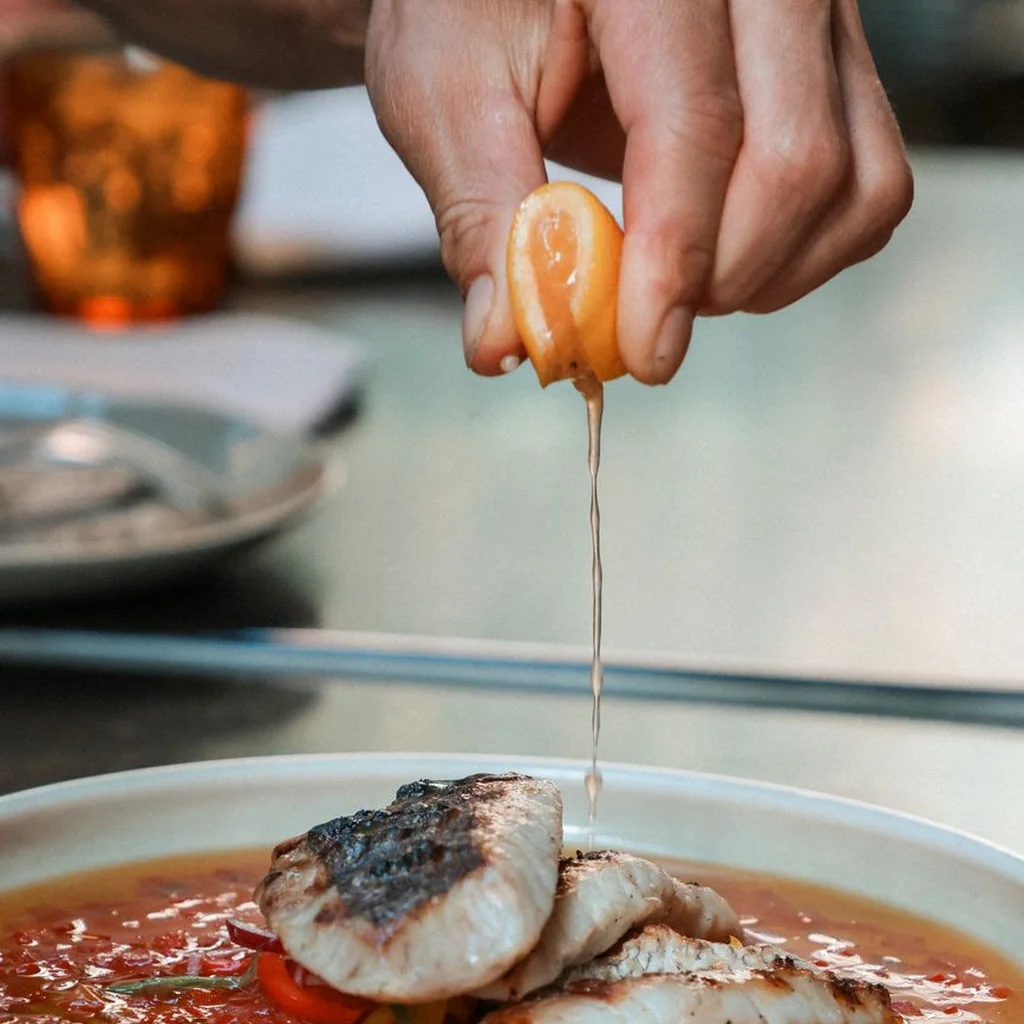
Tim macht sein erstes Gericht: Kartoffeln mit Gemüse und Soße. Er legt alles auf einen weißen Teller. Dann sieht er noch einmal auf den Teller und nickt.
Show EnglishHide English
Tim makes his first dish: potatoes with vegetables and sauce. He puts everything on a white plate. Then he looks at the plate once more and nods.
„Sieht gut aus“, sagt Mia. Sie arbeitet auch in der Küche. Sie nimmt den Teller und gibt ihn dem Kellner.
Show EnglishHide English
“Looks good,” says Mia. She also works in the kitchen. She takes the plate and gives it to the waiter.
Tim macht schon den nächsten Teller fertig. Da kommt der Kellner zurück. Er trägt Tims Teller in der Hand.
Show EnglishHide English
Tim is already preparing the next plate. Then the waiter comes back. He is carrying Tim’s plate in his hand.
„Der Gast möchte das nicht essen“, sagt er.
Show EnglishHide English
“The guest doesn’t want to eat this,” he says.
In der Küche wird es ganz still. Niemand spricht. Tim sieht auf den Teller und wird rot.
Show EnglishHide English
The kitchen goes completely quiet. Nobody speaks. Tim looks at the plate and turns red.
„Was ist denn los?“, fragt er leise.
Show EnglishHide English
“What’s wrong?” he asks quietly.
Der Kellner stellt den Teller auf den Tisch. „Die Soße“, sagt er. „Der Gast sagt, sie ist zu salzig.“
Show EnglishHide English
The waiter puts the plate on the table. “The sauce,” he says. “The guest says it’s too salty.”
Part 2Zu salzige Soße(Too Much Salt)
Tim sieht den Kellner an. „Zu salzig? Das tut mir leid.“ Er nimmt einen kleinen Löffel und probiert die Soße.
Show EnglishHide English
Tim looks at the waiter. “Too salty? I’m sorry.” He takes a small spoon and tastes the sauce.
„Ja, der Gast hat recht“, sagt er. „Da ist zu viel Salz drin.“ Er schaut zu Mia. „Ich mache das Gericht noch einmal.“
Show EnglishHide English
“Yes, the guest is right,” he says. “There’s too much salt in it.” He looks at Mia. “I’ll make the dish again.”
Mia nickt. „Ich helfe dir. Ich schneide das Gemüse.“ Langsam sprechen die anderen in der Küche wieder und arbeiten weiter.
Show EnglishHide English
Mia nods. “I’ll help you. I’ll cut the vegetables.” Slowly, the others in the kitchen start talking again and continue working.
Tim nimmt neue Kartoffeln und macht eine neue Soße. Diesmal probiert er sie, bevor er sie auf den Teller gibt. „Möchtest du auch probieren, Mia?“
Show EnglishHide English
Tim takes new potatoes and makes a new sauce. This time he tastes it before putting it on the plate. “Would you like to taste it too, Mia?”
Mia nimmt einen Löffel und probiert. „Die Soße schmeckt gut“, sagt sie. Tim lächelt und legt die Kartoffeln und das Gemüse auf einen sauberen Teller.
Show EnglishHide English
Mia takes a spoon and tastes it. “The sauce tastes good,” she says. Tim smiles and puts the potatoes and vegetables on a clean plate.
Da kommt der Kellner wieder in die Küche. „Der Gast muss bald gehen“, sagt er. „Er fragt, wie lange es noch dauert.“
Show EnglishHide English
Then the waiter comes back into the kitchen. “The guest has to leave soon,” he says. “He’s asking how much longer it will take.”
Tim sieht auf den Teller. Die Soße ist noch im Topf.
Show EnglishHide English
Tim looks at the plate. The sauce is still in the pot.
Part 3Die Soße und der Gast(The Sauce and the Guest)
Tim nimmt den Topf und gibt die Soße auf den Teller. Dann sieht er den Kellner an. „Jetzt ist das Essen fertig.“
Show EnglishHide English
Tim takes the pot and puts the sauce on the plate. Then he looks at the waiter. “The food is ready now.”
Der Kellner bringt den Teller sofort zum Gast. Tim bleibt am Tisch stehen und atmet tief durch. Mia legt eine Hand auf seinen Arm.
Show EnglishHide English
The waiter takes the plate to the guest at once. Tim stands by the table and takes a deep breath. Mia puts a hand on his arm.
„Das war schnell“, sagt sie. „Und diesmal schmeckt die Soße gut.“
Show EnglishHide English
“That was quick,” she says. “And this time the sauce tastes good.”
Tim nickt, aber er ist noch immer nervös. Er sieht zur Tür. Von der Küche aus kann er den Gast nicht sehen.
Show EnglishHide English
Tim nods, but he is still nervous. He looks toward the door. He cannot see the guest from the kitchen.
Nach ein paar Minuten kommt der Kellner zurück. Er lächelt. „Der Gast hat alles gegessen. Er sagt, das Essen war sehr gut.“
Show EnglishHide English
After a few minutes, the waiter comes back. He is smiling. “The guest ate everything. He says the food was very good.”
Tim lacht. „Das freut mich. Und es tut mir leid wegen der ersten Soße.“
Show EnglishHide English
Tim laughs. “I’m glad. And I’m sorry about the first sauce.”
„Das habe ich ihm gesagt“, antwortet der Kellner. „Er hat sich über das neue Essen gefreut.“
Show EnglishHide English
“I told him that,” the waiter replies. “He was happy with the new food.”
Mia gibt Tim einen sauberen Löffel. „Für die nächste Soße“, sagt sie. Tim nimmt ihn und lächelt.
Show EnglishHide English
Mia gives Tim a clean spoon. “For the next sauce,” she says. Tim takes it and smiles.
Practise this German story
Vocabulary in context
Important words and phrases
die Küche
nounkitchen
Tim ist neu in der Küche.
Tim is new in the kitchen.
der Koch
nouncook
Heute ist sein erster Tag als Koch.
Today is his first day as a cook.
das Restaurant
nounrestaurant
Das kleine Restaurant ist voll.
The small restaurant is full.
der Teller
nounplate
Er legt alles auf einen weißen Teller.
He puts everything on a white plate.
die Soße
nounsauce
Die Soße ist zu salzig.
The sauce is too salty.
das Gemüse
nounvegetables
Mia schneidet das Gemüse.
Mia cuts the vegetables.
die Kartoffeln
nounpotatoes
Tim nimmt neue Kartoffeln.
Tim takes new potatoes.
der Kellner
nounwaiter
Der Kellner bringt den Teller sofort zum Gast.
The waiter brings the plate to the guest right away.
der Gast
nounguest
Der Gast hat alles gegessen.
The guest ate everything.
probieren
verbto taste
Diesmal probiert er sie, bevor er sie auf den Teller gibt.
This time he tastes it before he puts it on the plate.
fertig
adjectiveready
Jetzt ist das Essen fertig.
Now the food is ready.
salzig
adjectivesalty
Die Soße ist zu salzig.
The sauce is too salty.
Check your understanding
Comprehension questions
Choose an answer, check it, then move to the next question.
Question 1 of 3
- Question 1: current not answered
- Question 2: not answered
- Question 3: not answered
Notice the language
Language notes
zu + Adjektiv
In German, "zu" before an adjective means "too". You can use it to say that something has too much of a quality, such as taste, temperature, or size. Example: "Die Soße ist zu salzig." This pattern is very reusable: "Der Kaffee ist zu heiß." "Das Zimmer ist zu klein."
Die Soße ist zu salzig.
The sauce is too salty.
More German stories to read next

Unter dem kleinen Schirm
Under the Small Umbrella
Lena and Thomas stand outside a restaurant in heavy rain, and Lena’s bus will not come for an hour.

Ida im Laden
Ida in the Shop
Ida is in a small clothing shop, looking for a T-shirt for her sister, and the blue one she likes is too big.

Der blaue Balken
The Blue Bar
Lisa sits at her kitchen table with her laptop and must send a photo of a small dog in the snow by twelve o’clock.

Allein im Restaurant
Alone at the Restaurant
Johanna is traveling alone and, hungry in the evening, finds only a large table by the window free in a small restaurant.