
The Recipe
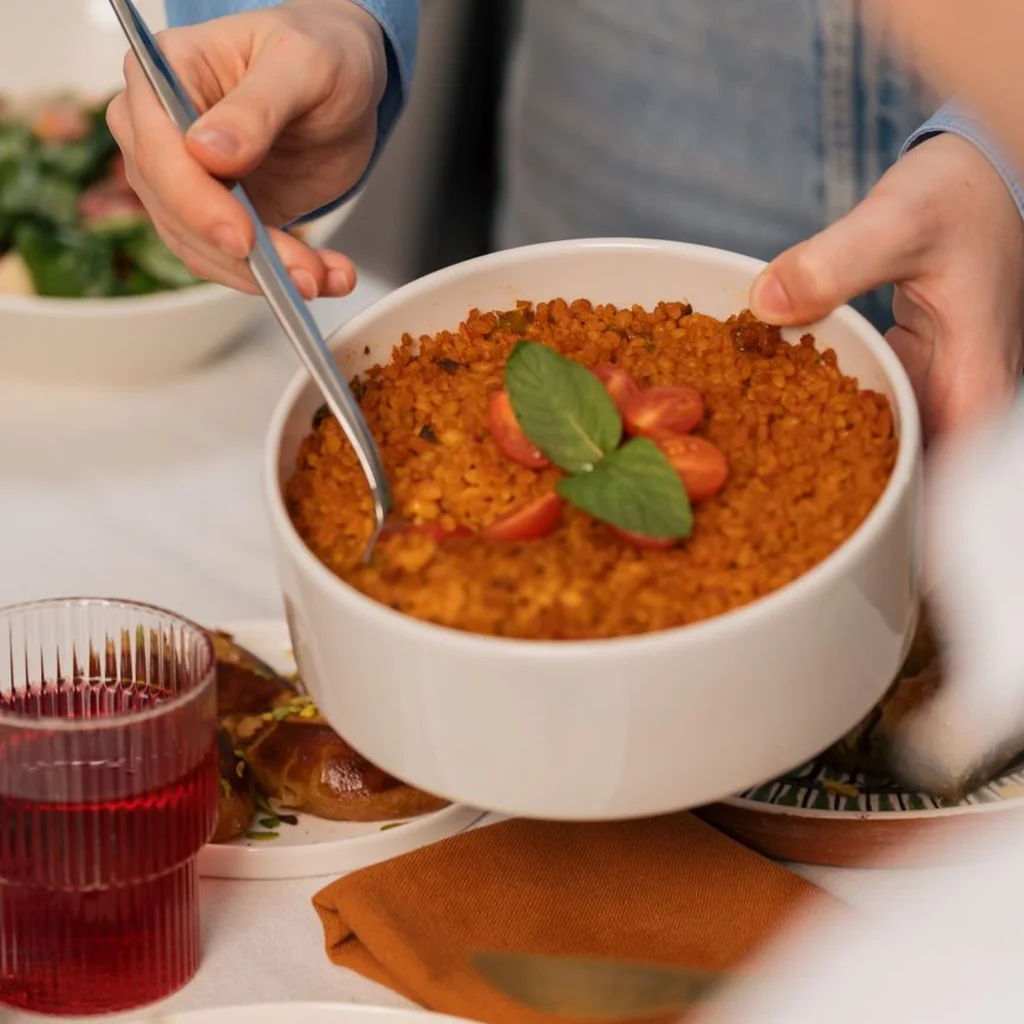
In her small kitchen, Susan serves casserole to her mother-in-law Aisha, who asks for the recipe she gave Susan last week.
Three short parts. Read each part once for the main idea, then check the key words explained below the story.


Part 1
Susan takes the hot dish from the oven and puts it on the table. Her mother-in-law, Aisha, watches her from the other side of the table.
“It smells good,” Aisha says. Susan smiles and puts some casserole on each plate.
They eat together in Susan’s small kitchen. Aisha takes a small bite, then another. Susan waits for her to say something.
“This is lovely,” Aisha says at last. “Can I have the recipe, please?”
Susan puts down her fork. Aisha gave her the recipe last week, on a small piece of paper. Susan still has it on the kitchen shelf.
“Your recipe?” Susan asks.
Aisha smiles sweetly. “Oh, is it the same?”
Susan looks at the dish, then at Aisha. The casserole has potatoes, chicken and carrots, just like the recipe. But Susan knows she did one thing differently.
Part 2The Cheese on Top
“I used your recipe,” Susan says, “but I put cheese on top.”
Aisha looks down at her plate. “Cheese?” she says. “Ah, yes. I can taste it now.”
Susan takes a bite. She likes the cheese, but she is not sure what Aisha thinks. Aisha takes another bite and drinks some water.
“Do you like it?” Susan asks.
Aisha puts down her fork. “I do. I never put cheese on mine.”
For a moment, Susan says nothing. Then she laughs. “I thought you were angry because I changed your recipe.”
“Angry? No!” Aisha says. “I want to make it like this for my friends on Sunday.”
Susan smiles, but then she looks at the casserole. She did not write down how much cheese she used. There is a little cheese left in the fridge.
Part 3How Much Cheese?
Susan gets the cheese from the fridge and puts it on the table. “I used some of this,” she says. “But how much?”
Aisha looks at the cheese. “Let’s try to remember.”
Susan takes a plate and cuts off a piece of cheese. “Was it this much?”
“More, I think,” Aisha says. Susan cuts another piece and puts it next to the first.
“Yes,” Susan says. “That looks right.” She writes down how much cheese she used on Aisha’s recipe and gives her the paper.
Aisha reads it and smiles. “Thank you. My friends will love it.”
Susan puts the cheese back in the fridge. When she sits down, Aisha gives her some more casserole.
“This is good,” Aisha says, taking another bite. “Next time, I will make it for you.”
“With cheese?” Susan asks.
“With cheese,” Aisha says, and they both laugh.
Practise this English story
Vocabulary in context
Important words and phrases
hot dish
noun phraseMeaning: a hot bowl or pan of food that has just come out of the oven
Susan takes the hot dish from the oven and puts it on the table.
oven
nounMeaning: a hot box used for cooking food
Susan takes the hot dish from the oven and puts it on the table.
table
nounMeaning: a piece of furniture where people eat or work
Susan takes the hot dish from the oven and puts it on the table.
casserole
nounMeaning: a cooked dish with food mixed together and baked in the oven
Susan puts some casserole on each plate.
plate
nounMeaning: a flat dish that people eat from
Susan puts some casserole on each plate.
recipe
nounMeaning: words that tell you how to make some food
Can I have the recipe, please?
fork
nounMeaning: a tool with two or more points, used for eating
Susan puts down her fork.
put down
phrasal verbMeaning: move something to a lower place and stop holding it
Susan puts down her fork.
on top
adverb phraseMeaning: on the highest part of something
I used your recipe, but I put cheese on top.
write down
phrasal verbMeaning: put words or numbers on paper so you do not forget them
She writes down how much cheese she used on Aisha’s recipe and gives her the paper.
fridge
nounMeaning: a cold box for keeping food
Susan puts the cheese back in the fridge.
Check your understanding
Comprehension questions
Choose an answer, check it, then move to the next question.
Question 1 of 3
- Question 1: current not answered
- Question 2: not answered
- Question 3: not answered
Notice the language
Language notes
I do / I don't
English often uses short answers with do/does after a yes/no question. Instead of repeating the whole sentence, you can answer with "I do" or "I don't." Example: "Do you like it?" "I do." This is a very common and useful pattern in everyday English.
Do you like it? I do.
More English stories to read next

The Welcome Page
At work, Paul and Linda must make a welcome page together, but they need to act professionally.

Ben Forgets His Wallet
Ben cannot find his wallet at the checkout; it is in his first trolley near the fruit, halfway across the store.

The Missing Message
Amelia forgot her lunch with her friend Carol, and now she wants to send Carol the right message to say sorry.

Lily’s Forty Euros
At a hostel, Lily has forty euros for seven days, but she thought she needed money for only three.